


Tag
formerly incarcerated
The Latest

Art that Informs: A Know-Your-Housing-Rights Mural
This Richmond, California, artwork addresses reentry after incarceration, eviction, and more.
Search & Filter Within this Topic
filter by Content Type
filter by Date Range
search by Keyword

A Community Land Trust for People Leaving Incarceration Honors a ‘Forgotten Figure’ of Black Liberation
CLT named after Ruchell “Cinqué” Magee, considered by many to have been the longest-held political prisoner in the United States, aims to create not just affordability, but belonging.

Housing Advocates Design a Better Homecoming for People Leaving Incarceration
Programs that offer reentry housing for formerly incarcerated people often replicate jail or prison settings. How can housing providers do better?
PHAs Could House People with Convictions, But Most Don’t
Policy changes by local public housing authorities can be transformative for Americans with convictions, and for their families.
Pandemic Leads to Early Prisoner Release, But Finding Housing for Them Remains Difficult
As the infection rate at jails in places like New York began to climb, officials started looking for criteria to use in determining which inmates could be released. Then they ran into a familiar but now heightened dilemma.

New Visions of Justice Through the Camera Lens
An experimental learning opportunity allows formerly incarcerated individuals to use photography to explore ideas of freedom, complex relationships, and their personal experience with the criminal justice system.

Making Loans to Help Formerly Incarcerated People Get Back on Their Feet
CDFIs and nonprofits are figuring out how to help formerly incarcerated people build credit histories and access capital in order to get their lives going.
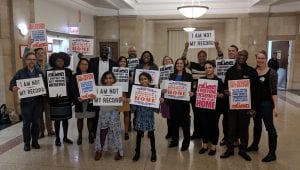
A Fair Chance at Housing For Those With Records
If you have an arrest or conviction record, you’ll most likely have a difficult time finding a place to rent. A new law in Cook County aims to protect potential tenants from housing discrimination.
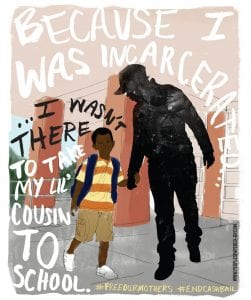
Art that Amplifies the Stories of Formerly Incarcerated People
Art that highlights the effects of long-term sentencing and the need to support and expand services for those who are reentering society.
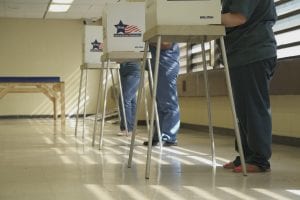
Reaching Out to Voters in the Justice System
Many people lose their right to vote while incarcerated and don’t regain it after their sentences are over. There are many more people involved in the justice system who can vote but don’t know it. Communities could increase their political power if they could reach these voters.
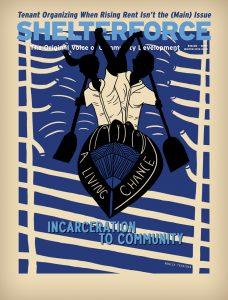
Bringing Justice Home
Chances are high that community developers are working in areas and with populations that are being strongly affected by overpolicing and hyper-incarceration. In this issue we take a look at that intersection.
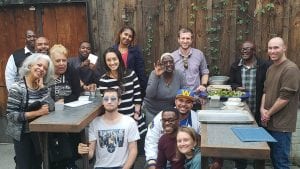
A Home After Prison: There’s No Place Like Homecoming
Formerly incarcerated people are nearly 10 times more likely to be homeless than the general public. The Homecoming Project imatches those returning home with a community host for six months.
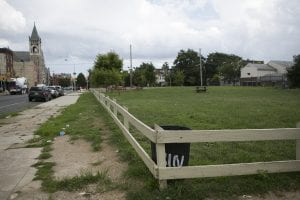
Greening Vacant Lots: Low Cost, Big Effect in Philly
A Philadelphia program is cleaning up abandoned lots, helping formerly incarcerated residents get jobs, and improving the overall health and well-being of neighborhoods.