



Topic
Community Development Field
Shelterforce considers “community development” to be an extremely broad term. But there are still many conversations about the ways in which that broad work happens. Comprehensively or in coalitions of specialized organizations? Locally or regionally? Place or people? While the answers to all of these are usually “both,” there are many conversations to be had about “how.”
The Latest

Unsupported Housing: When Stability Isn’t Enough
As the country’s mental health, substance use, homelessness, and affordability crises collide, traditional affordable housing providers say they’re being pushed to fill the gaps left by underfunded supportive systems—without the money, staff, or resources to do so.
Explore Articles in this Topic
Search & Filter Within this Topic
filter by Content Type
filter by Date Range
search by Keyword

What Does a Solidarity Approach to Housing Look Like? A Shelterforce Webinar
In this webinar, we examine what a solidarity economy approach is, what its principles are, how these principles are being applied presently, and how they might be applied more broadly to support housing justice and transformative economic change.
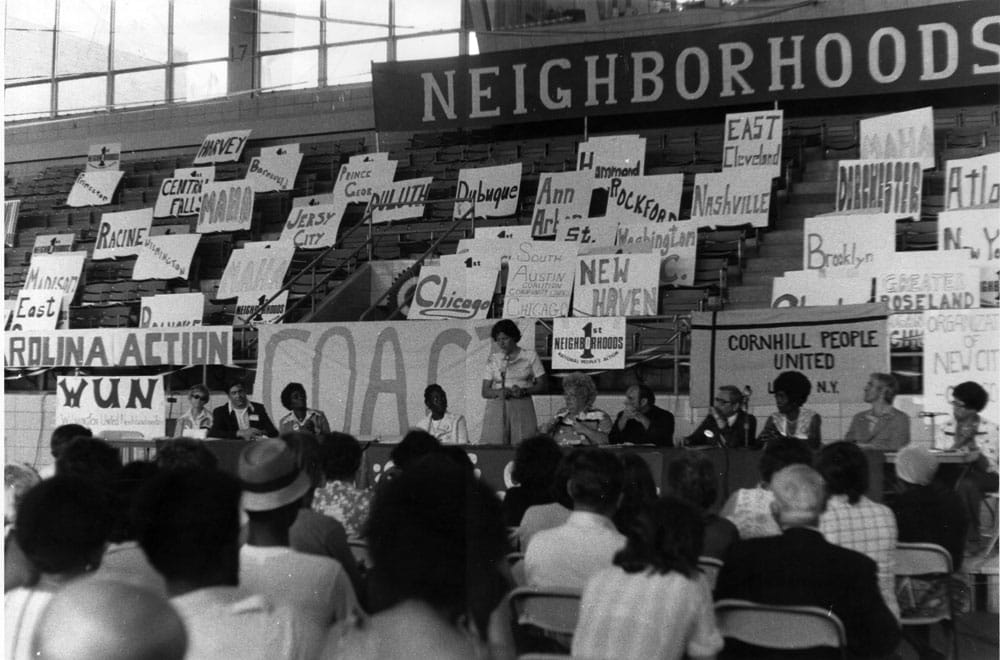
Unlikely Partners: How Neighborhood Housing Services of Chicago Came to Be
In the 1970s, anti-redlining movements were in full swing and the idea that activists, lenders, and elected officials could share power to revitalize communities and advance homeownership felt like a reach. But that was exactly my charge.
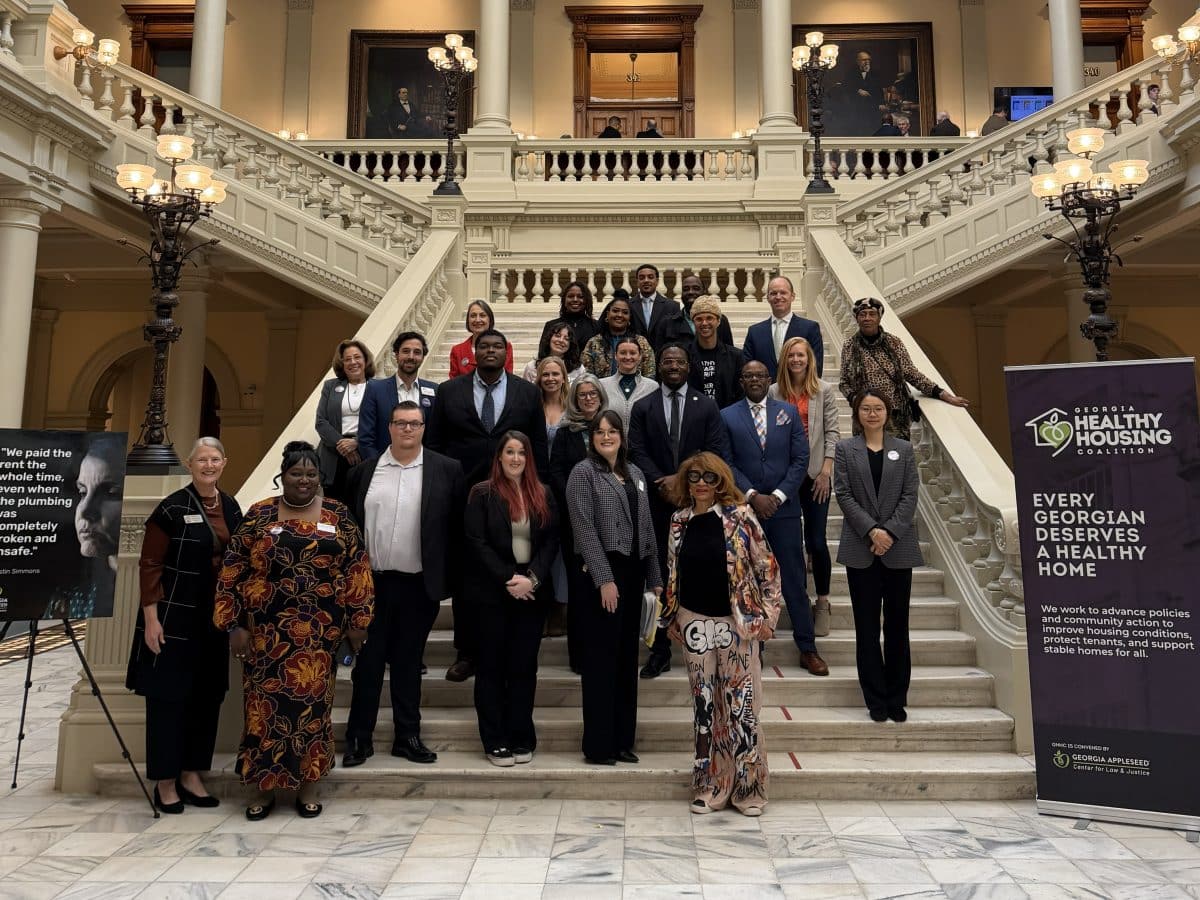
Advocates in the South Get Organized to Advance Tenants Rights
In states across the South, coalitions that include housing justice advocates, tenant leaders, and legal service providers are coming together to oppose anti-tenant policies and advance tenant rights.
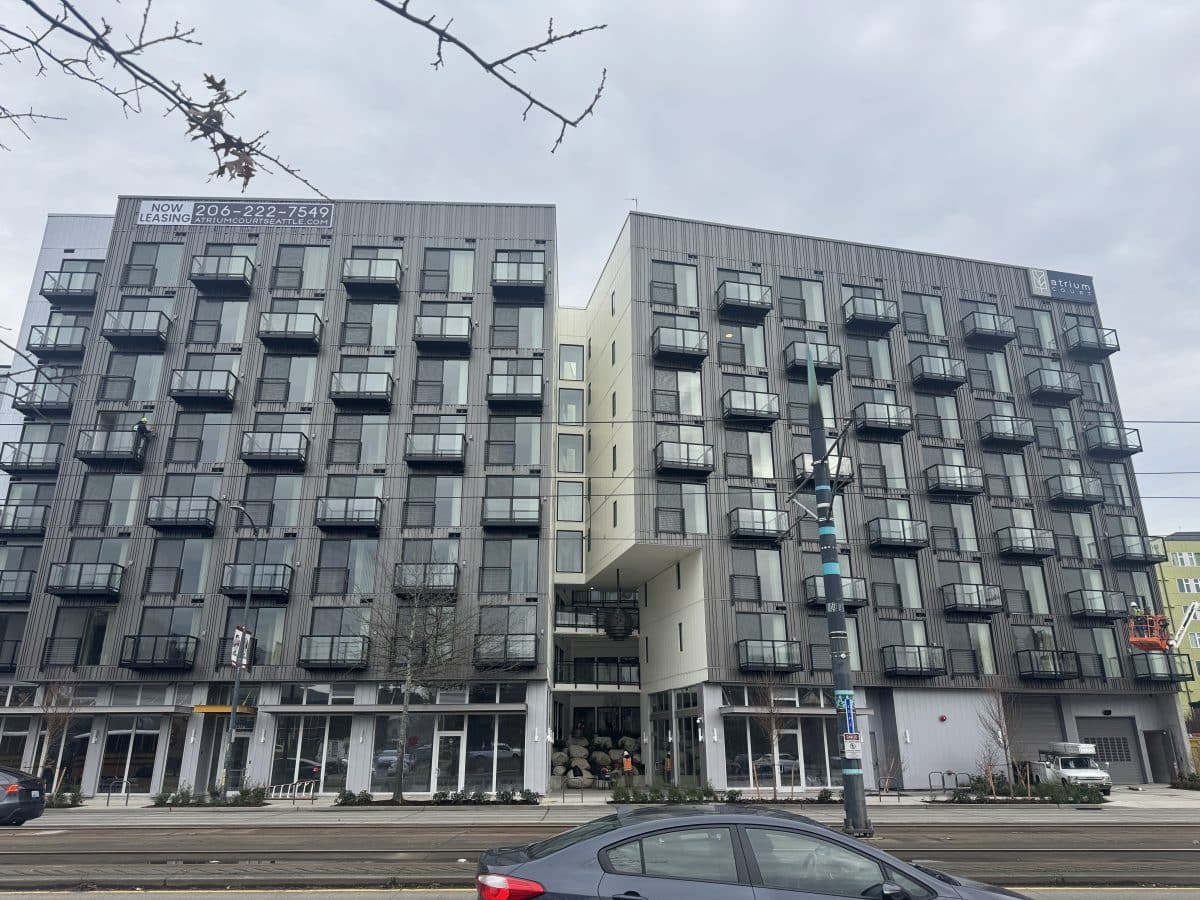
Opportunity Zones Got an Upgrade: It’s Time to Give Them a Second Look
State-level processes for nominating tracts for opportunity zone designation are open. The next public process will not occur for another decade. Here is how to get involved.

Breaking Point: Why the Affordable Housing Business Model Is Unraveling
Affordable housing has never been easy to finance. Now, with rising insurance, debt, and operating costs outpacing rents and subsidies, developers say it’s getting harder to make the math work.
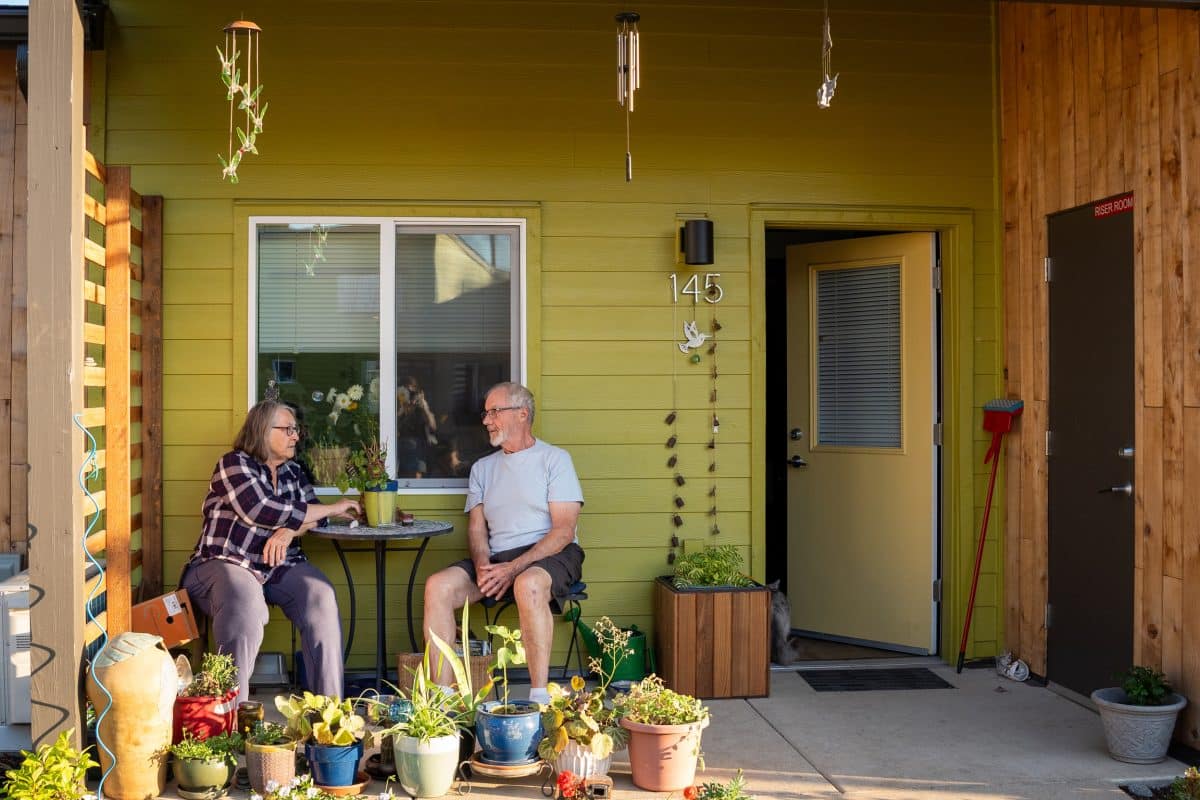
Making Money for Housing Go Further
Housing funding programs are notoriously fragmented. One way to make limited housing dollars go further is to improve the systems that distribute them.
We’re Making Housing Harder to Preserve Than It Should Be
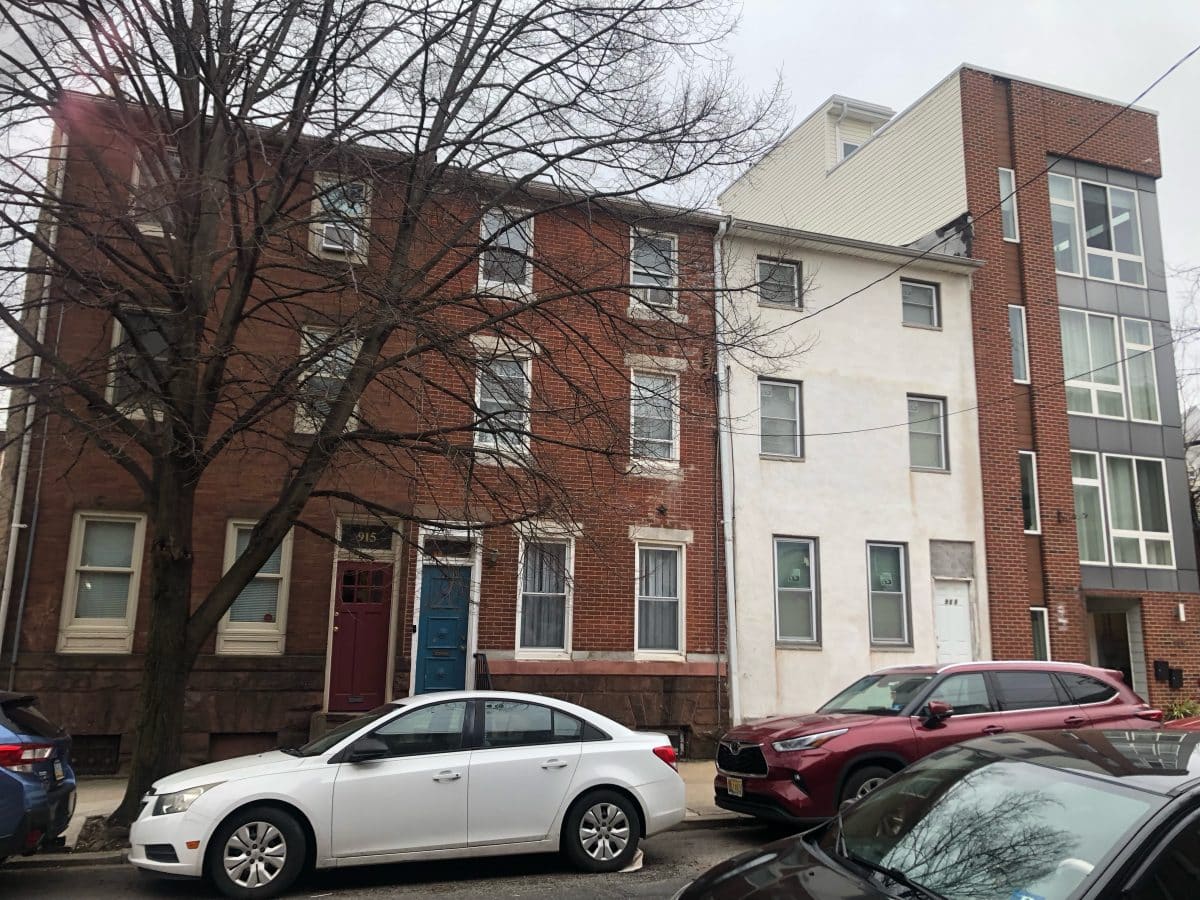
To maintain older housing stock, aligning programs to address building deterioration before it is severe offers big payoffs, preserving both homes and housing affordability.

Tax Increment Financing Harms Cities—Let’s Rein It In
City redevelopment subsidies siphon tens of billions of dollars away from public services nationwide. Here are some ways, based on what has worked in Chicago, to fight back.

What Does It Mean When Anchor CDCs Start Selling Affordable Housing?
Portland’s REACH CDC recently offloaded a 23-unit legacy building and 66 scattered-site homes—not because the mission has changed, but because the math has. The industry veteran’s portfolio triage offers a bellwether look at how rising costs, rent arrears, and aging properties are forcing even well-run nonprofits to rethink what they can afford to own.
Can Condo Conversions Deliver Long-Term Affordability?
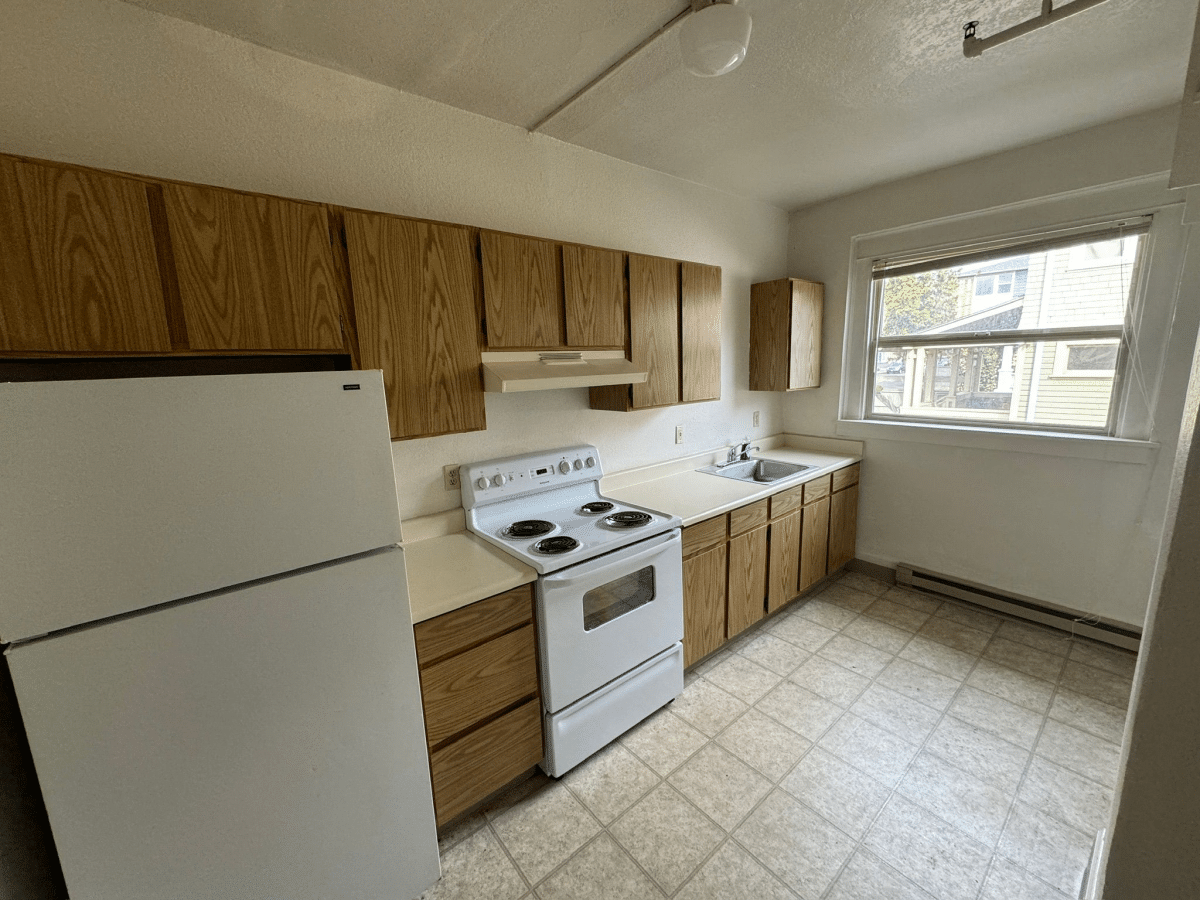
A project in Portland, Oregon, aims to turn aging rentals into affordable condos, offering lower price points and a path to ownership. But that affordability currently rests on temporary subsidies and market goodwill. For tenants who can’t buy—and future buyers looking for affordability—the risks are significant.

Poem: A Memphis Love Letter
A poem about “caretakers and waymakers,” which emerged from interviews with 13 frontline community workers in Memphis.

A Space of Our Own: LGBTQ Organizations Move to Ownership
A temporary window of flexible funds in the early 2020s allowed many queer- and trans-led organizations to achieve long-held dreams of owning their own buildings and housing their members.