


Social Determinants of Health
The Latest

Why Does Habitability Matter? Health and Our Housing Stock
Whether your home is safe and suitable for healthy living depends on a variety of factors. Shelterforce puts habitability under the lens to show how problems like inadequate heating, water damage, and pest infestations negatively affect your health and further exacerbate the housing crisis.
Explore Articles in this Topic
Search & Filter Within this Topic
filter by Content Type
filter by Date Range
search by Keyword

Why Wealth Matters to Your Health: A Webinar
How did the racial wealth gap begin? And why has it been so hard to fix? Shelterforce’s Miriam Axel-Lute and others discuss these topics in a webinar hosted by County Health Rankings & Roadmaps.

How Much Time Does Trauma-Informed Community Building Take? It’s Complicated
Building trust takes time. How does that factor into project timelines, and what recommendations do housing development leaders have for others seeking to shift to more resident-centered practices.

Fannie Mae’s Financing Initiative Encourages Healthier Design, Stronger Resident Services
“I am so excited that Fannie decided to do this … For the first time, there has been recognition by a capital funder that the services that are provided matter.”

Living in a Bubble: Development When Community Doesn’t Matter
How suburban luxury high-rises are lowering everyone’s quality of life.

‘We-Making’: How Arts and Culture Build Social Cohesion
In Oakland, the Black Cultural Zone ties together art and community ownership to prevent gentrification and heal trauma.

What’s the Best Way to Judge How Well a City’s Housing Policies Improve Health?
CityHealth revamps its housing medal criteria, shifts away from inclusionary zoning to flexible funding and tenant protections. “We realized there is no singular policy intervention that can address the whole of affordable housing.”
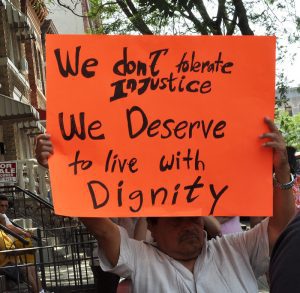
How Affordable Housers Perpetuate Past Harms, and How They Can Do Better
Some elements of affordable housing—from the development process to the way buildings are managed—are rooted in racist assumptions that dehumanize residents. Here are some simple ways you can be a better housing provider.

Blame Policies, Not Places, for Poor Health
Shifting blame from people to ZIP codes is not enough to create healthy communities. Here’s how to do better.

Trauma-Informed Practices Help Deliver Better Care to Clients and Staff
Poverty, violence, and racism can fuel toxic stress. It’s critical that organizations respond with trauma-informed care. Here’s how.

Rural Health Professionals Think Outside the Hospital
Could rural hospitals build on existing social services work by investing their assets to advance their communities’ health? Examples from Kansas, Vermont, Wisconsin, and Virginia show some possibilities.

Housing Design That Advances Health
Applying trauma-informed principles, reducing social isolation, and encouraging active living—how housing can be designed to promote good health.

The Work Continues: Property Maintenance Lawsuits Move Forward, Foster Care Vouchers Pass, and More
In the third installment of Shelterforce articles of old, we look back at what’s been happening with lawsuits against banks that allegedly failed to maintain properties they own in predominantly Black and Latinx neighborhoods, Medicaid money for housing, community developers elected to office, and vouchers for foster care youth.