



Topic
Equity
What is equity? Can it be measured? How and when does the issue come up in housing, education, employment, public utilities, and more? How are community organizations, grant-making institutions, and policymakers working to advance equity?
The Latest
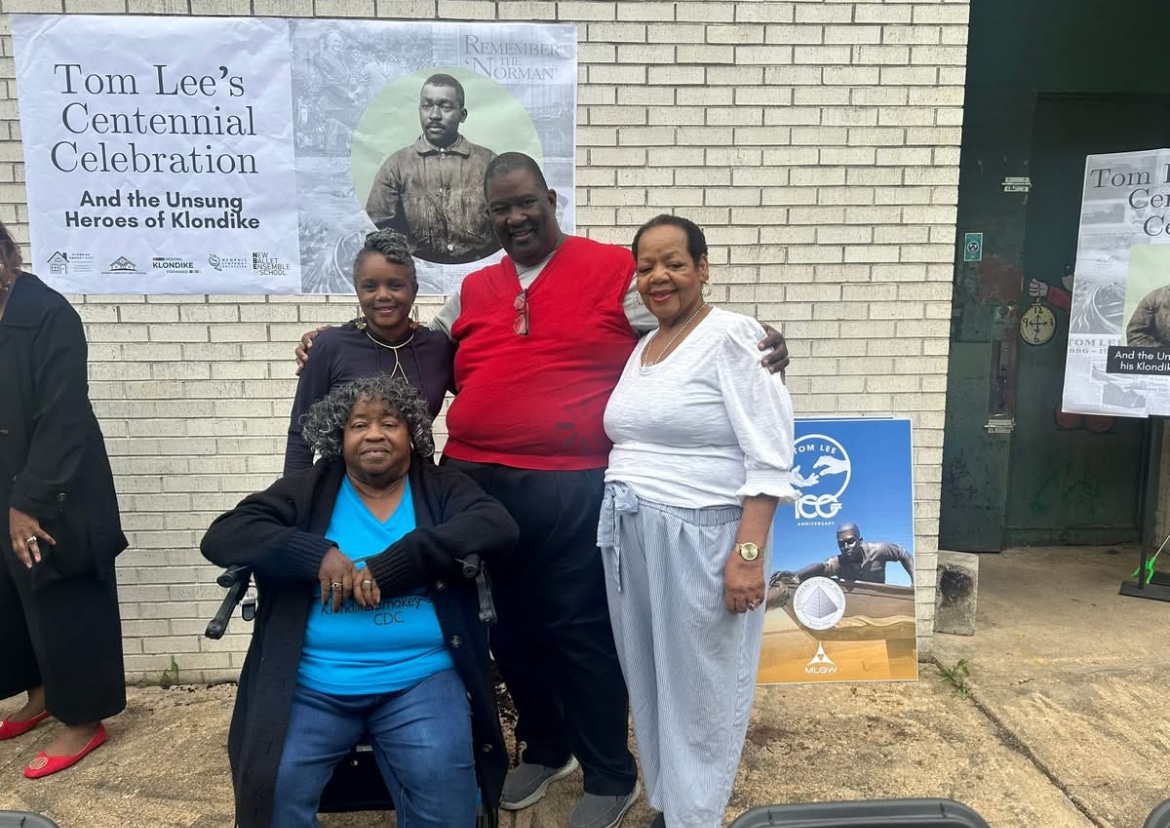
A Historic Black Memphis Neighborhood Turns to a CLT to Avoid Displacement
A former hub of Black-owned businesses in North Memphis that suffered urban renewal seeks to rebuild without a new wave of displacement. Can a community land trust strike that balance?
Explore Articles in this Topic
Search & Filter Within this Topic
filter by Content Type
filter by Date Range
search by Keyword

Sweeps Aren’t Outreach—Policing Homelessness Still Doesn’t Work
A new study shines light on the connection between homeless outreach teams and policing, and examines why so many cities are still using resident complaints to guide their response to the homelessness crisis.

Making Housing More Accessible for People With Multiple Chemical Sensitivities
Accessibility for this challenging disability can look different from other measures—but addressing it could help improve everyone’s health.

The [Un]Affordability of Accessibility: The Challenge of Retrofitting American Homes
Home modifications vary greatly in form and cost, a challenge for disabled residents whose homes aren’t accessible to them.

Accessible Housing Is Not Just About How Buildings Are Built
The ways in which buildings are managed after they are built also affects how accessible and inclusive they are.

Cross-Disability Design Makes Housing Better for Everyone
Affordable housing projects should incorporate a range of accessibility features, going above and beyond code requirements.
Which U.S. Laws Require Accessibility in Housing—And How Well Do They Do?
Activists have been fighting for decades to expand accessible housing for disabled residents. They’ve made progress, but say that current regulations and enforcement don’t go far enough.

Disability Justice and Equity in Housing
Welcome to Shelterforce’s newest Under the Lens series, Not Just Ramps—Disability and Housing Justice. This introductory article lays out why the connection between disability and affordable housing is so strong, and why it’s so important for housers to understand.
Appraisal Bias Is the Fair Housing Issue of the Day
Newly released data on home appraisal practices is a step forward in the fight against racially biased appraisals. There’s still a long way to go.

Proposed AFFH Rule Doesn’t Address Renters Directly—But It Should
Renters’ rights are fair housing rights. Before publishing a final Affirmatively Furthering Fair Housing rule, HUD must specifically address the needs of renters. Here’s how.
Three Ways AFFH Has Advanced Housing Justice
Grassroots organizers have used the Affirmatively Furthering Fair Housing rule to strengthen communities in the past. These examples show what we should advocate for in a new AFFH rule.

Public Housing Must Be a Part of Fair Housing Planning
Because their programs provide the most deeply affordable housing in the country, public housing authorities should be both supported in improving fair housing outcomes and held to account when they fall short.

Why Oregon Created Its Own AFFH Rule
For more than a decade, fair housing advocates in the Beaver State had been looking for ways to connect housing and land use planning to promote the affirmatively furthering fair housing rule. Here’s how Oregon created its own state-level policy, and what’s to come.