Video Organizing

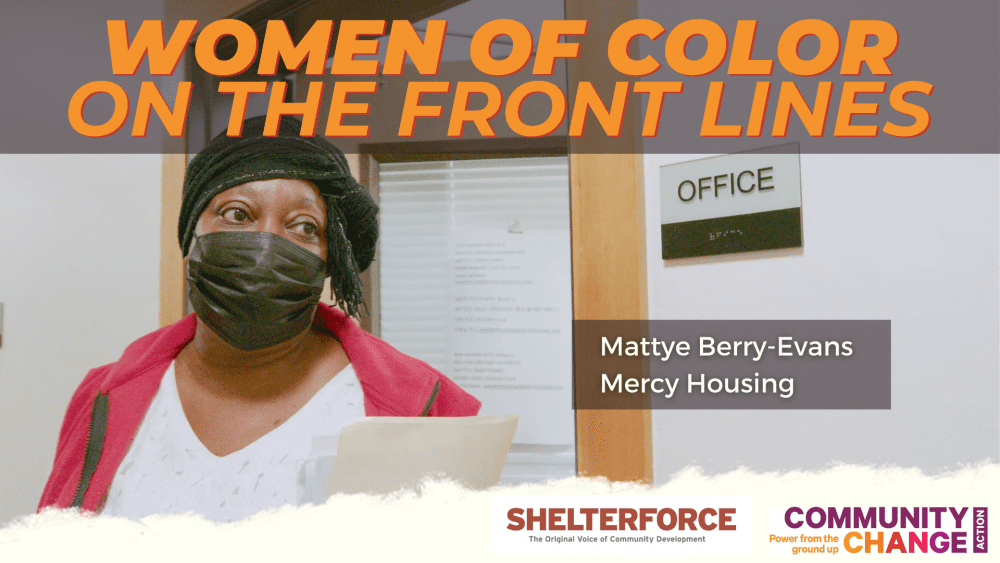
Mattye Berry-Evans, a Member of the Resident Action Network

“Each and every person should have the opportunity to have safe, secure, adequate, and affordable housing. I wasn't able to have it, but I can help others have it.”

Mattye Berry-Evans, a Member of the Resident Action Network

As we bring Women’s History Month to a close, take a moment to listen to Mattye Berry-Evans’s story.

Berry-Evans grew up in rural Georgia, and when she was 5, she stood by her grandmother’s side as she fought for adequate housing. “I grew up in a place where we didn’t have any plumbing or other amenities,” Berry-Evans says. “Race played a really a big part in why we did not have the things there. Because they did not provide services in an African-American area.”

Now Berry-Evans lives in Tacoma, Washington, and works for Mercy Housing. She’s also part of the Tacoma chapter of the Resident Action Network, a statewide network led by people who have experienced housing injustice. “It is always right to help people. Do whatever you can to make their life better and make our community better.”

“Each and every person should have the opportunity to have safe, secure, adequate, and affordable housing,” Berry-Evans says, “I wasn’t able to have it, but I can help others have it.”

Have you helped make your community better? Tell us your story in the comments below.


Mattye Berry-Evans’s story is part of Women of Color on the Front Lines, a video series produced by Shelterforce and Community Change. If you’re enjoying this series, please consider becoming a supporter.

Related Articles

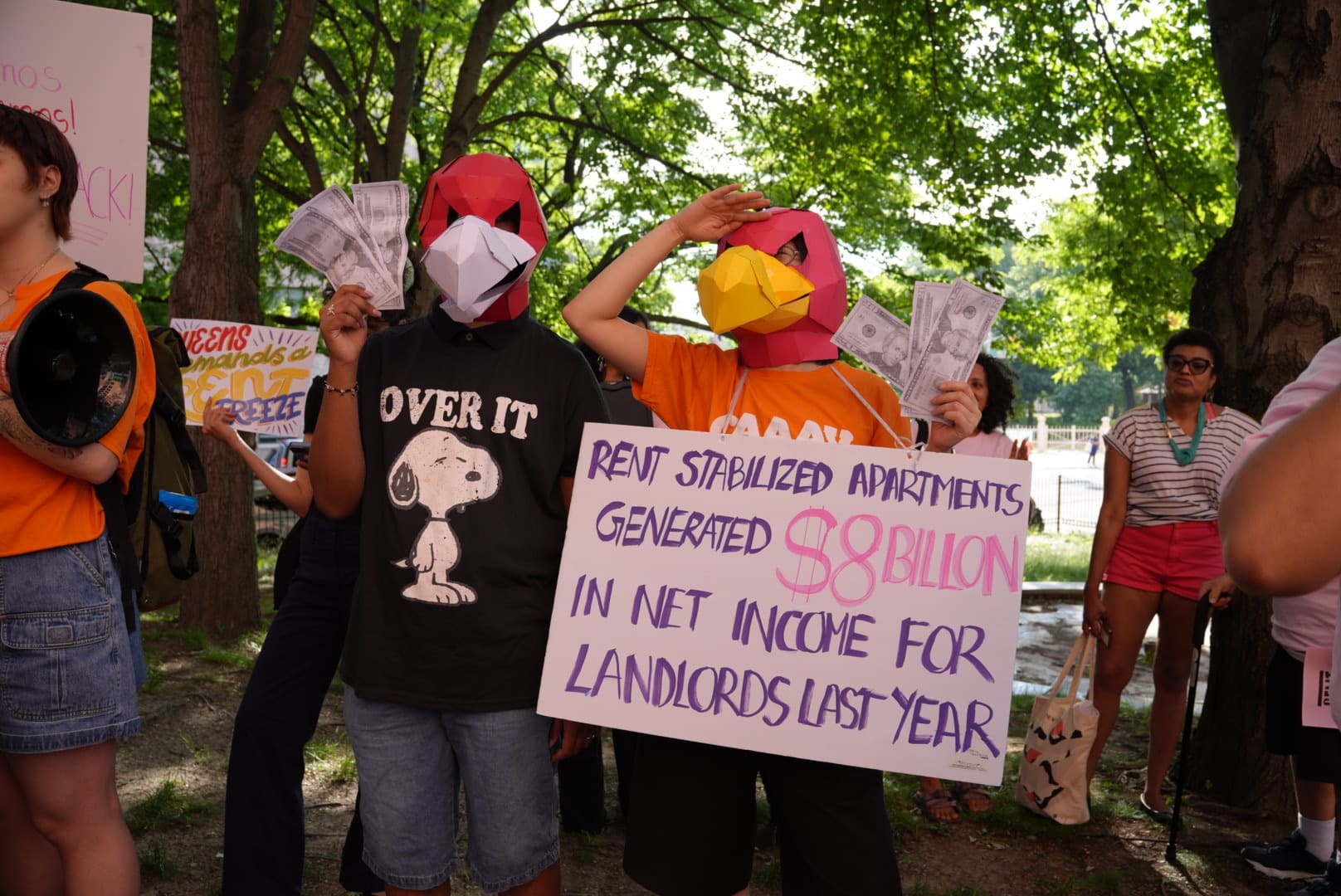
  • Two people with paper bird masks hold dollar bills. One wears a sign that says "Rent stabilized apartments generated  billion in net income for landlords last year."

    Are NYC’s Rent-Stabilized Buildings Really in Crisis?

    June 24, 2026

    A two-year rent freeze, affecting about 1 million rent-stabilized apartments in New York, was just approved. Before the freeze passed, landlords said their buildings wouldn’t survive it. But recent analyses suggest the real culprit behind distressed buildings is predatory equity, not rent stabilization.

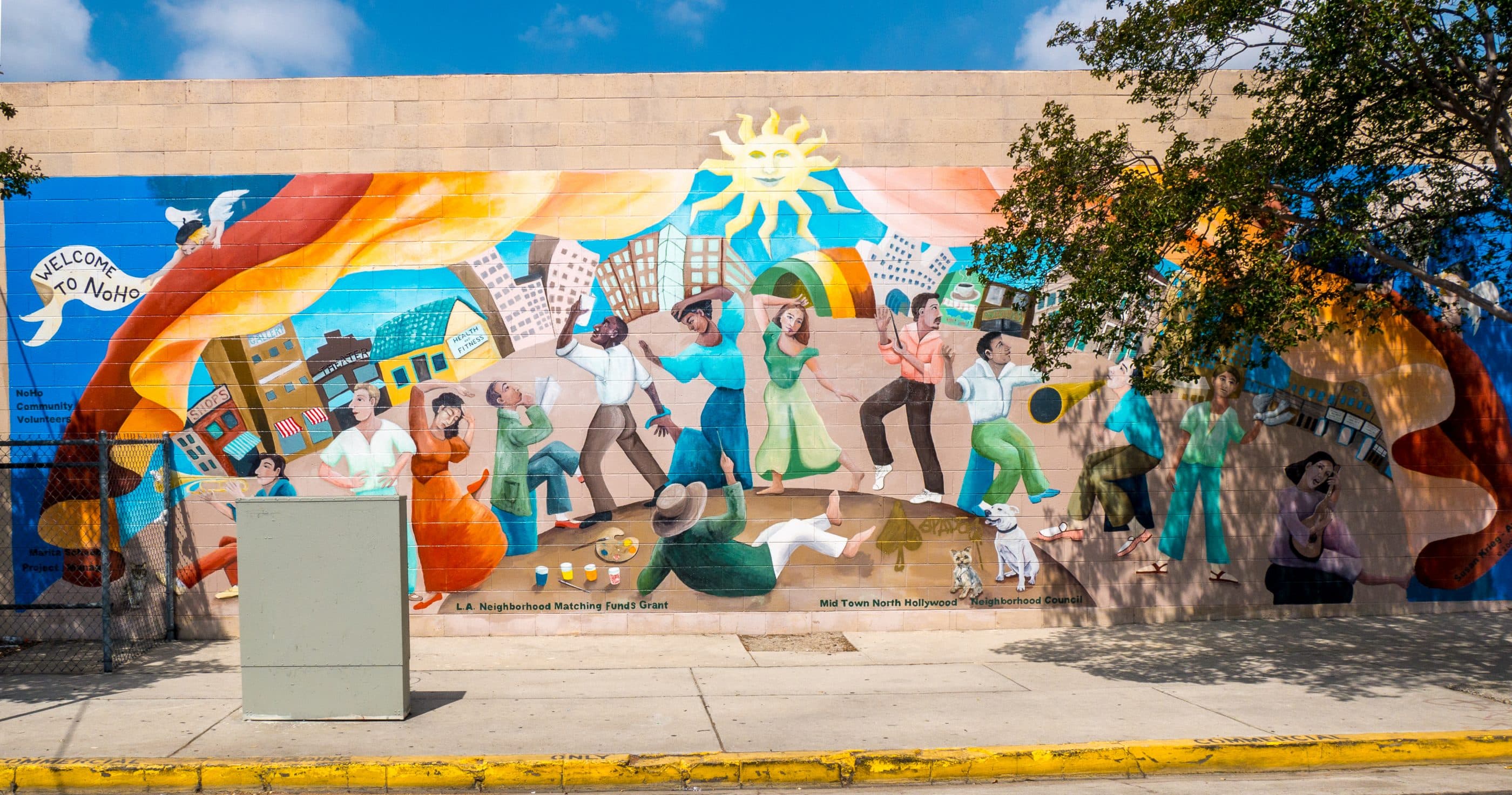
  • A large, colorful mural painted on the exterior of a building. It says "WELCOME TO NOHO" in capital letters and depicts people of different ages, genders, races, and ethnicities dancing and playing music in front of different types of housing and community buildings, including apartment buildings, a health and fitness center, a theater, and a gallery. The building is set back from a public sidewalk, and part of a tree shades the right-hand side of the mural.

    How State Coalitions Are Advancing Community Ownership of Housing

    June 19, 2026

    In recent years, housing coalitions promoting community land trusts and real estate cooperatives have formed in multiple cities and states—and they are achieving results. Nonetheless, a lot of work is needed to achieve the policy changes these groups desire.

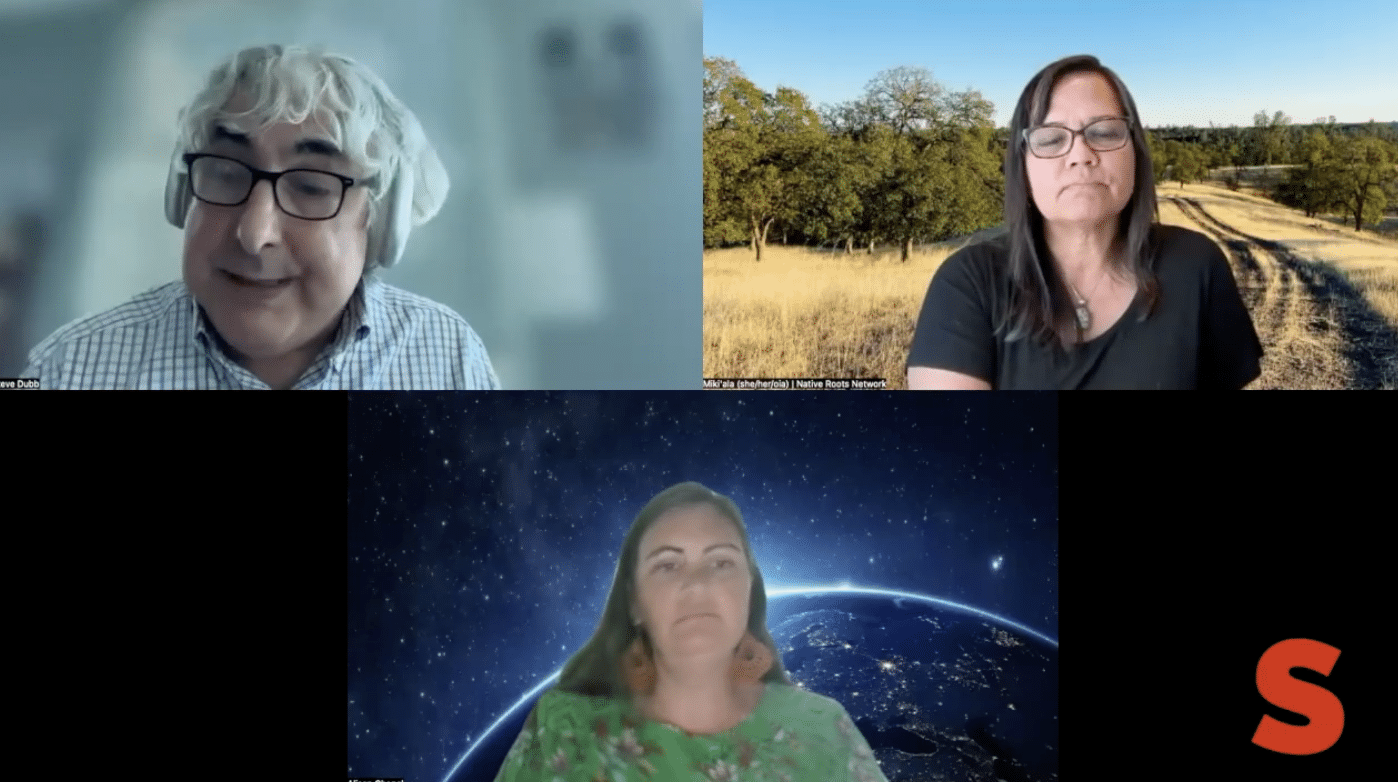
  • A webinar screenshot of three people. In the top-left corner is a white man with gray hair and dark eyebrows; he is wearing headphones, glasses, and a checkered shirt, and his background is blurred. In the top-right corner is a Hawaiian woman with dark hair; she is wearing glasses and a black t-shirt, and she is set against a screensaver of a tree-lined field. On the bottom is a white woman with brown hair; she is wearing a green floral top and large earrings, and she is set against a screensaver background of the earth viewed from space.

    What Does a Solidarity Approach to Housing Look Like? A Shelterforce Webinar

    June 10, 2026

    In this webinar, we examine what a solidarity economy approach is, what its principles are, how these principles are being applied presently, and how they might be applied more broadly to support housing justice and transformative economic change.