


Community Control
The Latest

In Eugene, Housing Advocates Call for a Tenant Right to Purchase Act
Housing advocates in Eugene, Oregon, are seeking to create a legislative framework that would allow tenants to collectively acquire multifamily buildings when a building comes up for sale.
Explore Articles in this Topic
Search & Filter Within this Topic
filter by Content Type
filter by Date Range
search by Keyword

Cohousing Promises Lower Costs. Why Hasn’t It Worked in the US?
From shared meals to shared tools, cohousing offers a vision of lower-cost, community-centered living. While that vision is taking hold in the UK, communities in the US face barriers that drive up costs and limit who can participate.

What Is the Solidarity Economy?
A growing movement is reshaping how people work and live together. Our new Solidarity Corner column highlights these practices—and explains why they matter.
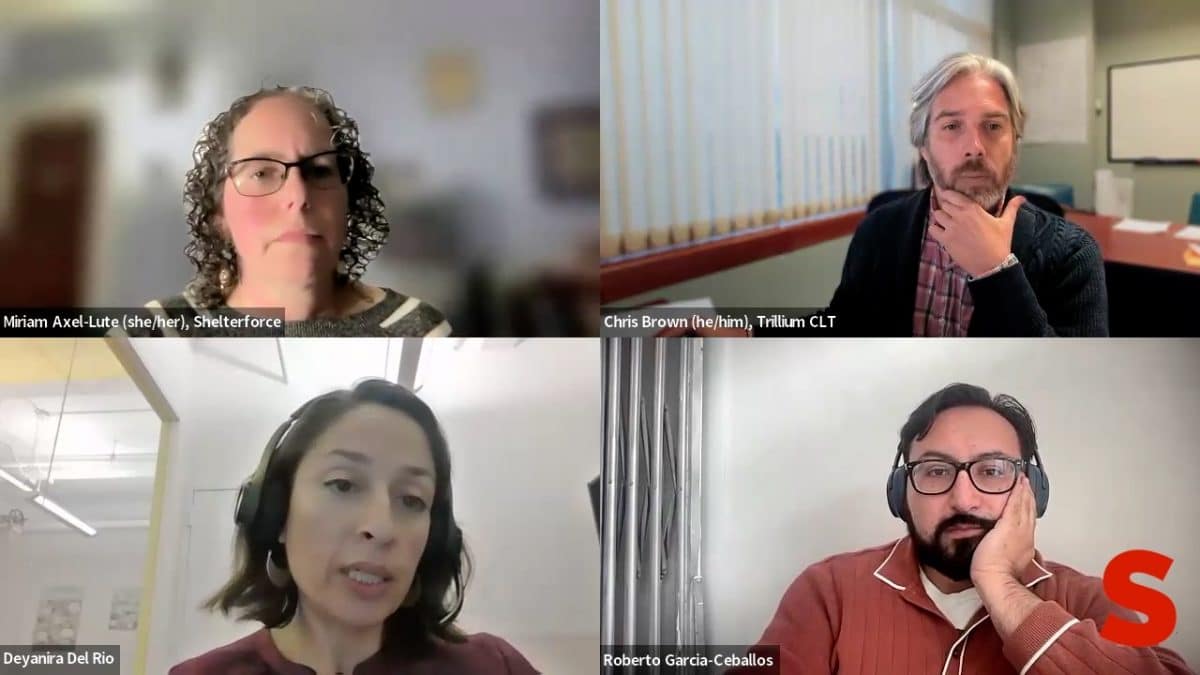
Fueling the Future of Community Ownership, a Shelterforce Webinar
A dive into some promising new approaches to both funding community ownership and building out an ecosystem that supports its sustainability.
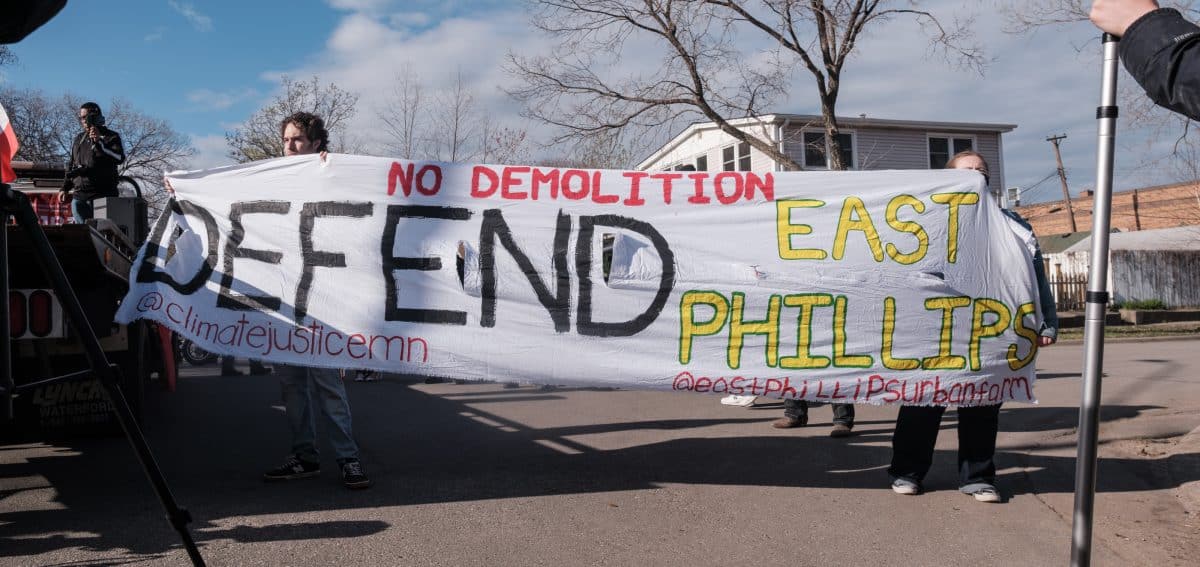
What Would It Take to Make Community Ownership the Rule, Not the Exception?
Here are the steps to having economies operated by stewardship, not speculation.

A Space of Our Own: LGBTQ Organizations Move to Ownership
A temporary window of flexible funds in the early 2020s allowed many queer- and trans-led organizations to achieve long-held dreams of owning their own buildings and housing their members.

Denver Land Trust Fights Displacement Whether It Owns the Land or Not
Tierra Colectiva, a community land trust in the Denver neighborhoods of Globeville and Elyria-Swansea, combines community organizing, traditional CLT development, and more unusual roles in a large affordable housing development.
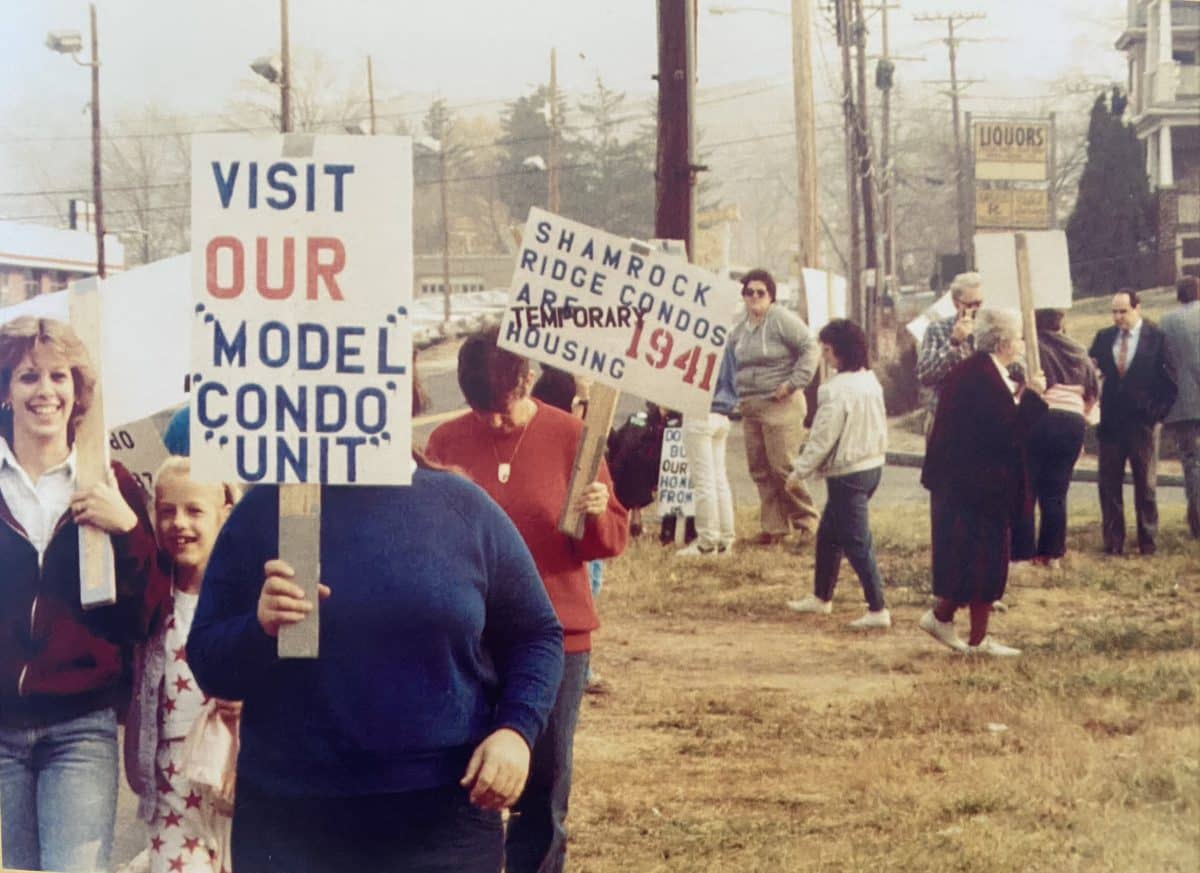
This Multi-Issue Interfaith Organizing Group Has Supported Six Housing Co-ops for Decades
The Naugatuck Valley Project grew out of factory closures and layoffs in the 1980s. But this interfaith and labor coalition also helped to not only found but sustain a group of affordable housing cooperatives in suburban Connecticut.

Harnessing the Shock of Disaster to Propel Change
Sometimes disasters open a space for bigger and faster positive change. In Lahaina, Hawai’i, after the devastating fires in 2023, community leaders built on preexisting relationships to approach housing and land in new ways.
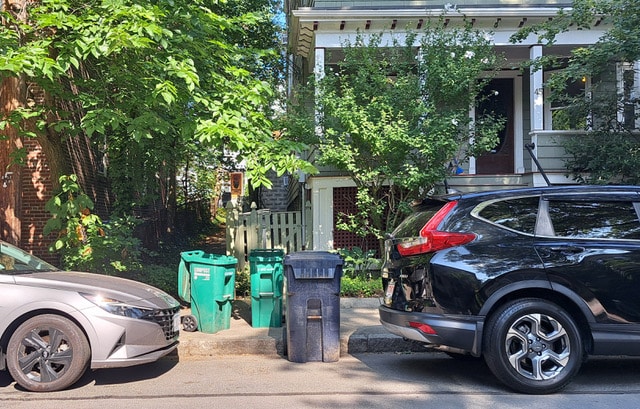
Tenants’ Rights and Taking Out the Trash
A conversation about what it means—or could mean—to have resident control over property management.
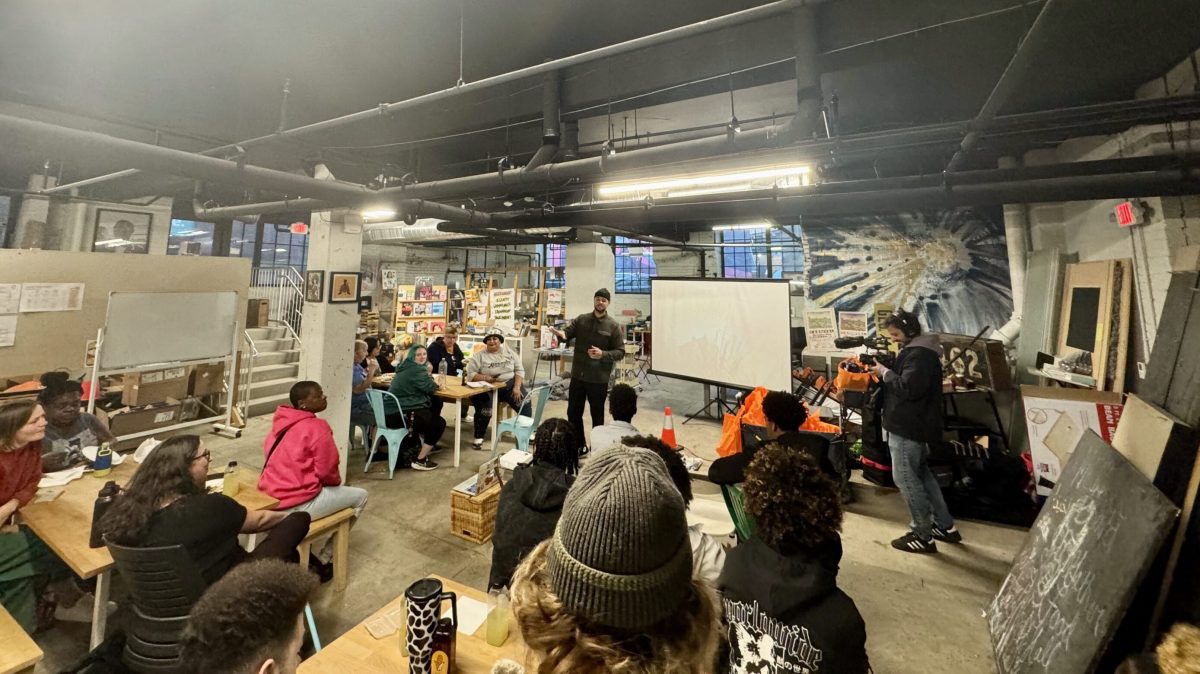
Who Holds the Power? How One Corridor Flipped the Script on Development
Kensington Corridor Trust manages dozens of properties, including affordable rental and commercial spaces, as part of its goal to revitalize the commercial corridor—but the group says who makes the decisions is more important than what decisions are made.

Mixed-Income Neighborhood Trusts Aim to Capture Benefits of Gentrification for Existing Residents
Each MINT sets its rental mix and target populations locally, but what they have in common is a focus on preventing displacement and capturing the benefits of rising property values for neighborhood residents.

Can a Buy-and-Hold Strategy Enable Resident Ownership at More Mobile Home Parks?
Many resident ownership plans are thwarted by tight timelines and high-ticket upgrade needs. One mission-driven startup is testing a phased approach to transferring mobile home park ownership to residents without pricing them out.