



Topic
Policy
The rules of the game—and the attitudes of the players—have an enormous effect on community development work at all levels. Here we look at some of the conversations about how to shift that policy for the better.
The Latest
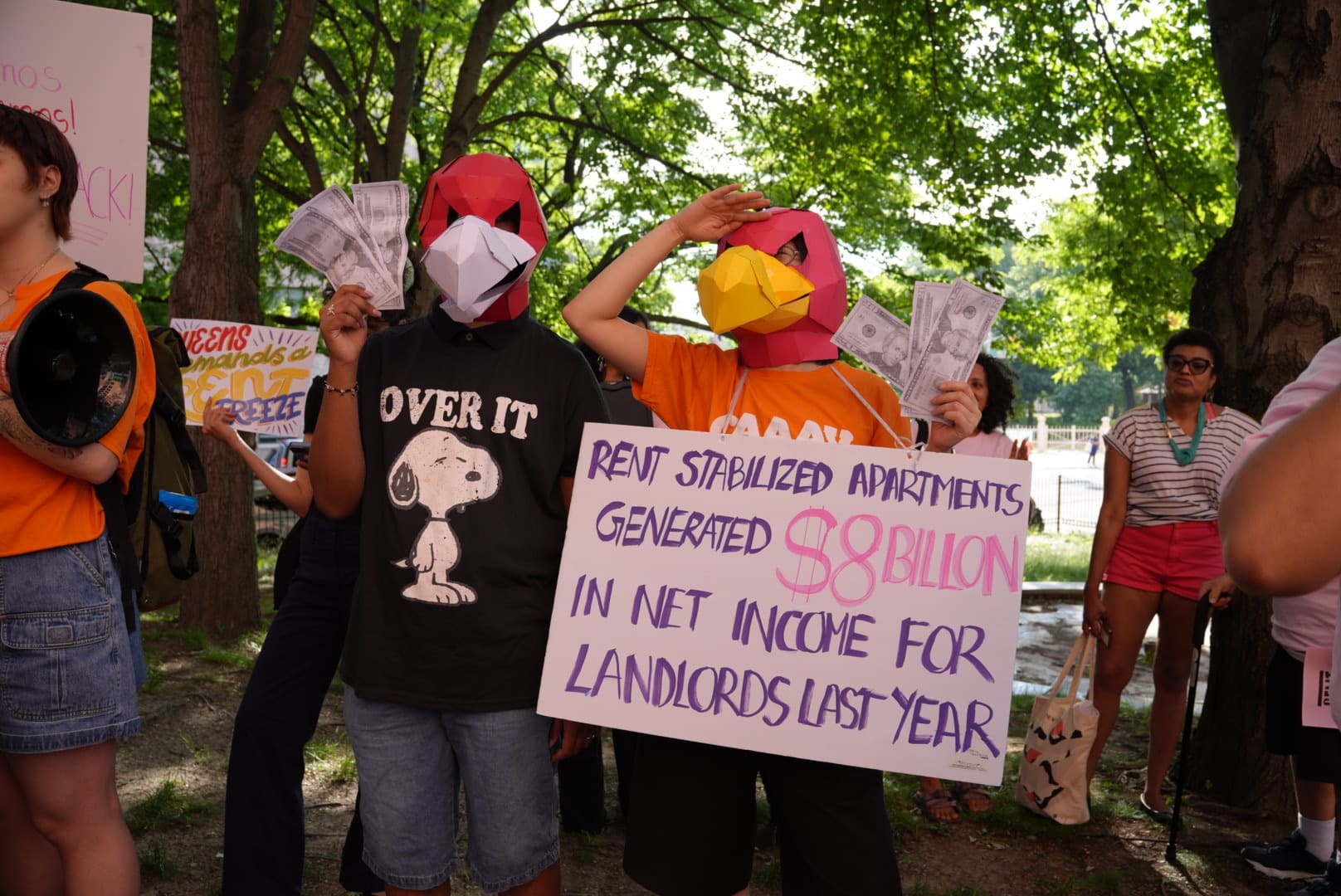
Are NYC’s Rent-Stabilized Buildings Really in Crisis?
As Mamdani moves New York closer to a rent freeze, landlords say their buildings wouldn’t survive it. Recent analyses suggest the real culprit behind distressed buildings is predatory equity, not rent stabilization.
Explore Articles in this Topic
Search & Filter Within this Topic
filter by Content Type
filter by Date Range
search by Keyword
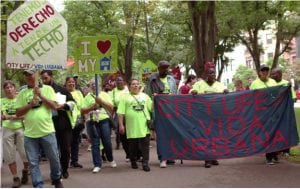
Block by Block, the Renters Movement is Growing
“The string of victories in 2017 are a direct product of renters building power on the ground. Renters, faced with a historic housing crisis, are getting organized to change immediate conditions on the ground and build a movement to transform the way land and housing are treated in the country.”
Meltdown: The Financial Crisis, Consumer Protection, and the Road Forward
In 2010, the scattered enforcement of consumer protection and fair lending laws across several agencies would end. The CFPB would have broad oversight over banks and non-banks, and though not perfect, this model has produced some impressive results.

Four Simple Fixes for Mandatory Inclusionary Housing
For the past two years I’ve worked as a housing lottery project manager for a small affordable housing developer and have found that, in spite of De Blasio’s bold initiative, the program often fails to efficiently and adequately serve the very people for which it has been designed.
Newly Suspended HUD Rule Would Have Expanded Access to Neighborhood Opportunity
After years-long notice and comment periods, a final rule on using small area Fair Market Rents to determine housing choice voucher payment levels was supposed to take effect. However, the Trump administration has recently announced a two-year suspension of the rule.

Poverty Is a Choice—Says The House Budget
Tax brackets, tax breaks, and just how much more rich the rich will become are all important details, no doubt, but among those details runs a single, shining, unifying message: Some people are worth investing in, and some are not.

Which Agencies Should Pay to End Family Homelessness?
When families have stable housing, the benefits are widespread. And perhaps that has been the problem.

A Policy Agenda for Manufactured Home Owners
In Minnesota, ten mobile home communities have closed in the past twenty-five years, and no new ones have opened. This uncertainty affects nearly 3 million Americans who are residents in the nation’s 50,000 manufactured housing communities. While most of these homeowners own their own homes, they rent the land, leaving them vulnerable to dramatic rent increases, arbitrary rules, and even eviction.

Despite Progress, States Have Work to do to Ensure Access to Affordable Rental Housing and Homeownership
If expanding access to homeownership can reverse the trends of growing racial wealth inequality, why are we seeing so many states roll back the supports that make homeownership possible?

California Takes Historic Step Toward Affordable Housing for All
Amid a housing crisis in California, legislators last week approved a historic package of bills that will shape the future of housing policy in the state. The bills raise revenues […]

10 Ways to Talk About Inclusionary Housing, Differently
We need to talk about inclusionary housing in a different way that circumvents common misperceptions and creates a new narrative for policymakers in moderate markets and more conservative political climates. Here are 10 messages to help frame your conversations.

The Community Reinvestment Act at 40: A Careful Review of the Reviews
A review of HUD’s Cityscape issue, which is devoted to reviews and studies of the Community Reinvestment Act at its 40th anniversary.

We Are All NIMBYs…Sometimes
If we built enough housing, we would still need subsidized housing for many people, but market prices would be low enough that most people could afford them. But we’ve chosen not to. And the reason we give for that choice, more than any other, is that we are trying to preserve or improve the character of our communities.