


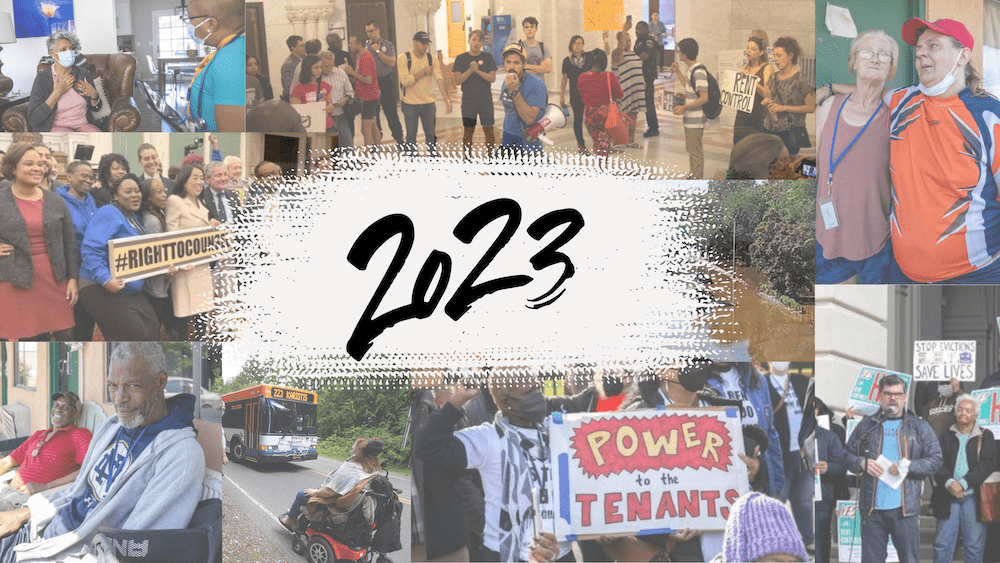
 In 2023, Shelterforce published more than 100 articles, hosted several webinars, partnered with multiple news organizations, and much more. We’ve put together a list of the Top 10 stories, those that had the most reads in 2023.
What was your favorite Shelterforce story of the year? Let us know in the comments.
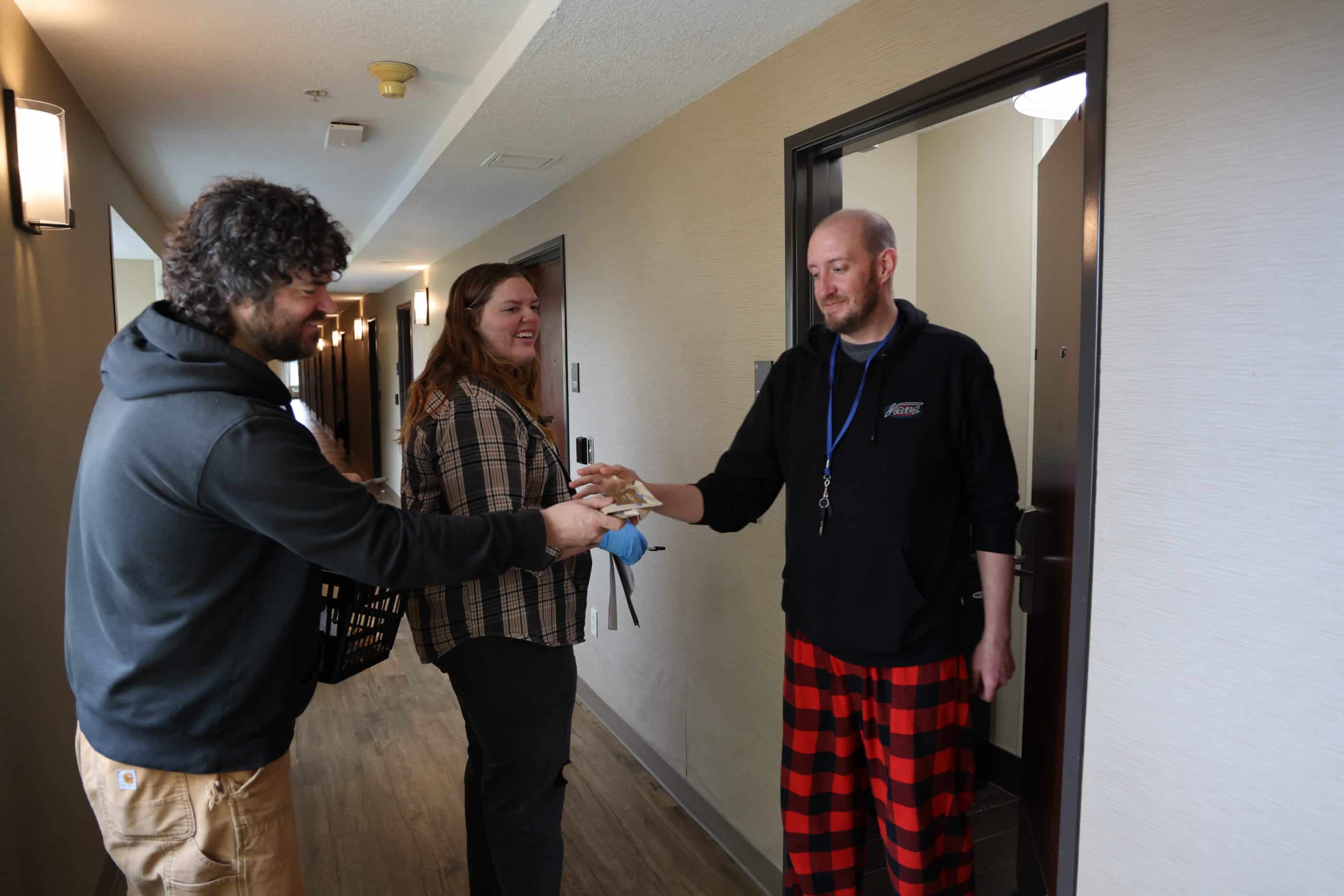
No. 10—Low-Barrier Motel Shelter Is a Success, but Not an Easy One. By Fran Quigley
Many guests at Motels4Now are on their second or third stays—but staff say that doesn’t equal failure, and the numbers bear them out. Read Full Article
No. 9—How States Can Use Medicaid to Address Housing Costs. By Dori Glanz Reyneri
New federal guidance enables states to use Medicaid dollars to support housing needs. Read Full Article
No. 8—Landlords on Notice: Section 8 Discrimination Will Cost You. By Roshan Abraham
Landmark lawsuits in D.C., New York, and California make source-of-income discrimination risky for landlords. Read Full Article
No. 7—The Real Reason Babies at a St. Louis Housing Complex Weren’t Sleeping on Their Own. By Amanda Abrams
When a St. Louis-based group convened public housing residents to talk about infant mortality, residents told them the problem wasn’t what they thought it was. To the organization’s credit, they listened and took on the real issue. Read Full Article
No. 6—LIHTC: How It Started, How It’s Going. By Miriam Axel-Lute
The Low-Income Housing Tax Credit was created in a moment when other real estate tax preferences were going away—but at the time, no one expected it to grow into the main source of affordable housing finance in the country. Read Full Article
No. 5—Major Changes Coming for CDFIs. By Meir Rinde
Requirements to be certified as a community development financial institution will soon change—and some lenders that qualified before might no longer. Read Full Article
No. 4—How It’s Working: Laws That Help Tenants and Nonprofits Buy Buildings. By Padmini Raghunath
Shelterforce checks in on three communities that have passed policies giving tenants and nonprofits first dibs on purchasing property. Are these policies keeping residents in their homes? Read Full Article
No. 3—Is the Solution to Homelessness Obvious? By Alan Mallach
A recent article in The Atlantic made some simplistic claims about the causes of and solutions to homelessness. Taking such a narrow view can be dangerous for making changes we need. Read Full Article
No. 2—Black Congregations Are Developing Housing on Church Land. By Nadia Mian
Many Black churches in the U.S. are moving into developing housing on their own property. Here’s some of what’s involved in taking that step. Read Full Article
No. 1—Who Can Afford Housing in Madison, Wisconsin? By Zoe Sullivan
The city is growing fast and building a lot of housing. But construction isn’t keeping pace with the need, especially for high-income and extremely low-income earners. Read Full Article
About the Author



I am homeless in Plano, Texas are there any establishments out side of the Catholic Church that helps with your hotel stays?
Hi Vadia, we are sorry to hear about the difficult time you are going through. Shelterforce is a nonprofit media organization and publication dedicated to reporting on affordable housing, housing justice, and community development. While we cannot offer specific recommendations, our team and a few valuable contributors have put together a list of resources that may be helpful in locating the assistance you need: https://shelterforce.org/need-help-finding-housing/