


Tag
climate change
Climate change shapes housing stability, affordability, and health. These stories explore how it impacts communities, housing systems, and the policies needed to build resilient, equitable homes.
The Latest

What NYCHA’s Heat Pump Strategy Says About the Future of Green Affordable Housing
New York City’s public housing authority plans to install 20,000 window heat pumps and 10,000 induction stoves over the next five years. The effort shows how large-scale procurement could help affordable housing providers cut emissions and lower the cost of green upgrades.
Search & Filter Within this Topic
filter by Content Type
filter by Date Range
search by Keyword

In Houston, ‘Climate Ambassadors’ Represent Their Own Neighborhoods
CEER recruits residents to gauge their communities’ climate needs and to act as climate educators. Shelterforce asked Rita Robles and Carmen Cavezza about the program, how it works, and future plans.
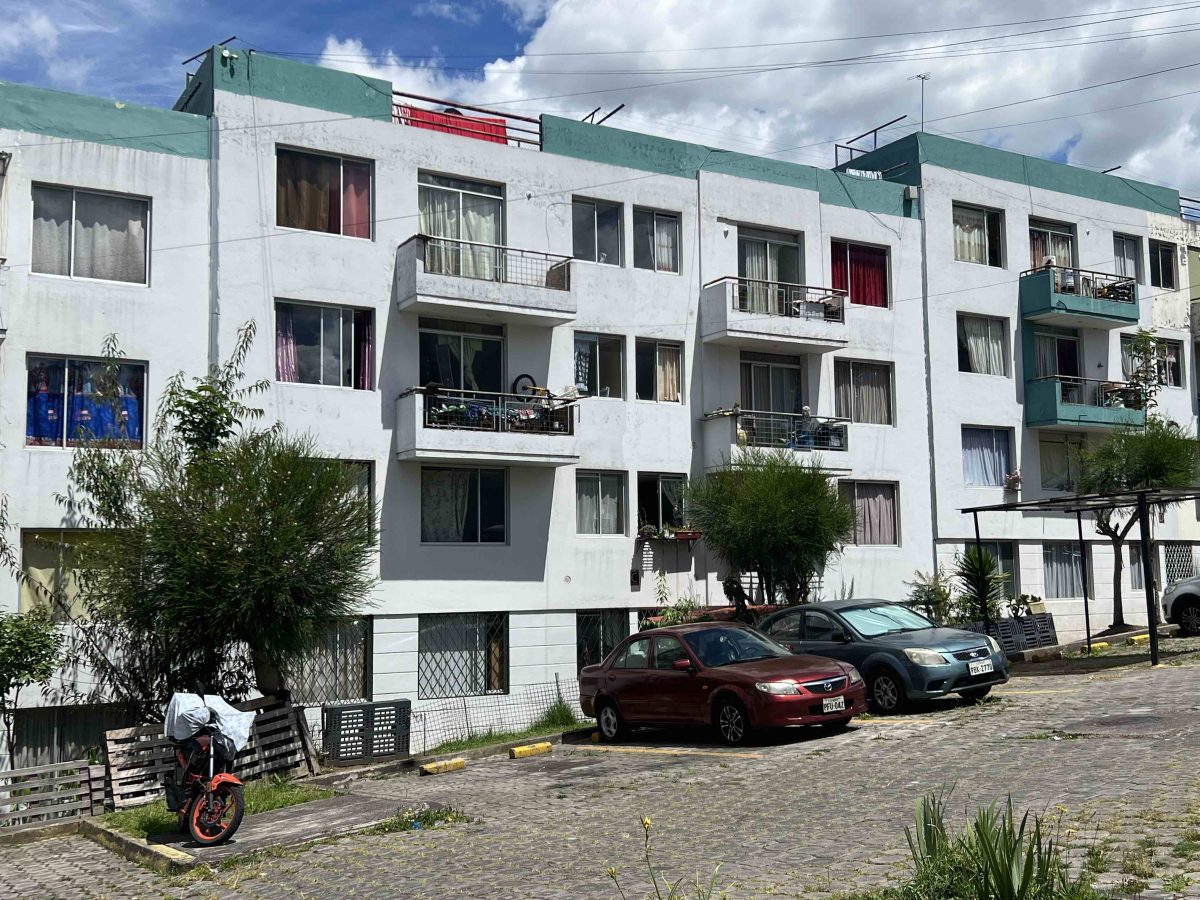
How Quito’s Climate Relocation Plan Left 44 Families in Jeopardy
Thirteen years ago, an ambitious government initiative set out to move hundreds of families away from perilous conditions, including landslides, in Ecuador’s capital. Today, 37 of those households are still waiting for the subsidies they need to become true owners of their new homes.

What Two Wildfires Reveal About the Cracks in Our Emergency Response
Thousands lost their homes in the Almeda and Marshall fires. Years into long-term recovery, a look at who received emergency assistance and who was left out can teach us a lot about which populations are most vulnerable to climate events.

Retreating From the Coasts Makes Sense, But Our Current Approach Isn’t Working
As flooding, sea level rise, fires, and other climate impacts increase, we’ll need to move about 20 million Americans by 2100. Here’s how we can rethink managed retreat to get ahead of the rising tides.

What Makes Affordable Housing ‘Green’?
There’s no one way to determine what makes “green” housing. Here’s a breakdown of the standards and considerations used by the affordable housing industry.

Beating Extreme Heat as a Community
U.S. cities don’t provide residents with enough protection against heat, the deadliest weather-related killer in the world. But in NYC, one organization came together to distribute ACs to neighbors in need.

Shelter and the Storm: Housing and Climate Change are Intertwined
We’re taking on these intersectional crises in our latest Under the Lens series.
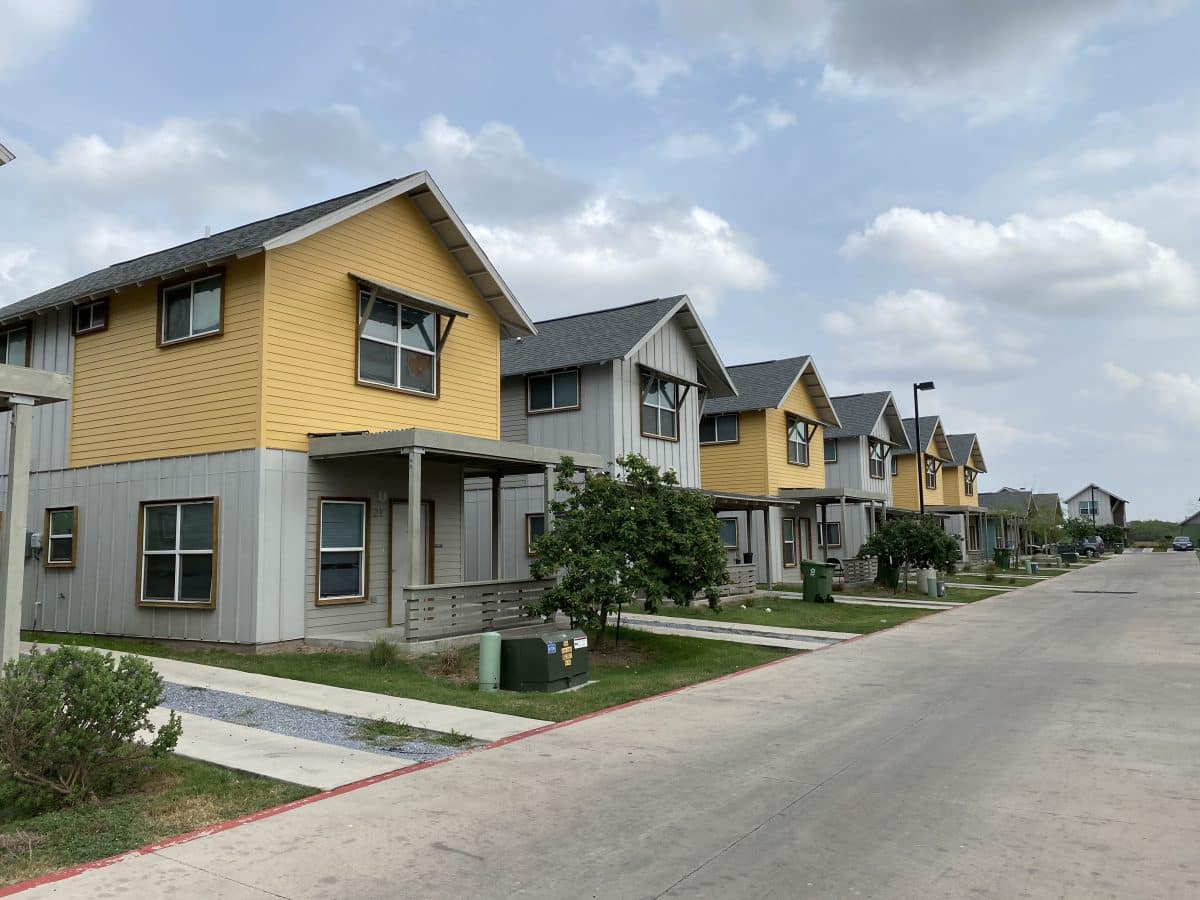
Soaring Property Insurance Rates Threaten Affordable Housing Development
Rapidly rising insurance premiums are forcing affordable housing developers to cut back on programming, lay off staff, and even sell. To add insult to injury, some insurers also seem to be adding penalties or withdrawing coverage for housing voucher holders.

Legitimate Debate or Short-Sighted Complaints? 5 Reasons Affordable Housing Is Expensive to Build
There’s no denying that affordable housing can be expensive to build. But we need to look at the long-term benefits of those investments to see the bigger picture.

How the Inflation Reduction Act Can Protect Low-income Renters From Climate Change
Climate change is an especially large threat to low-income residents. The Inflation Reduction Act offers a chance to act.

Taking the ADU Model to the Next Level, a Shelterforce and Next City Webinar
How can we get more accessory dwelling units built, keep them affordable, and make them forces for increasing racial equity?
The Shift to Using More Electricity Will Change How Affordable Housing Is Built
Policymakers and building designers have gone from pushing for energy efficiency to focusing on reducing carbon emissions by using more electrical-based systems. What are some of the benefits and challenges of going all-electric, and how can affordable housers move forward?