



Topic
Housing
Housing matters. A stable, quality, affordable home is a foundation for so many other parts of life. How do we bring it in reach for everyone?
The Latest

Affordable Housing Financing Is Overpriced, But It Doesn’t Have to Be
Affordable housing construction finance reflects market norms, but its track record shows it’s far less risky than conventional market-rate housing loans. While lower default rates should lead to lower interest rates, they currently do not.
Explore Articles in this Topic
Search & Filter Within this Topic
filter by Content Type
filter by Date Range
search by Keyword
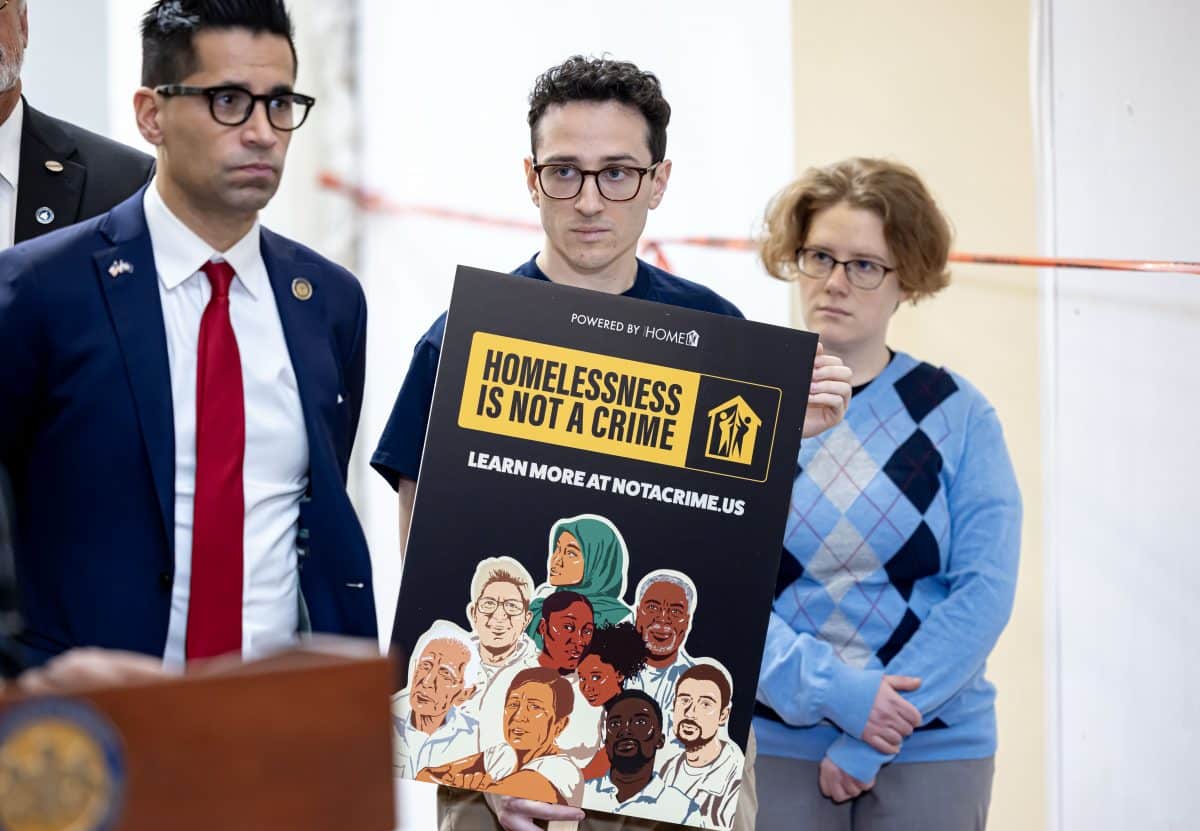
In the Shadow of Grants Pass, Some Communities Reject Homeless Crackdowns
Two years after a major Supreme Court case, bills to criminalize homelessness and ban encampments have popped up widely. But here are some places that are fighting back.

Supply Reforms Put Housing on the Agenda, Even in Red States
Laws designed to ease regulations that limit housing diversity and supply are passing in states around the country. Affordable housing advocates in four states talked with us about the coalitions that have come together, and how they might fit within the larger advocacy framework.
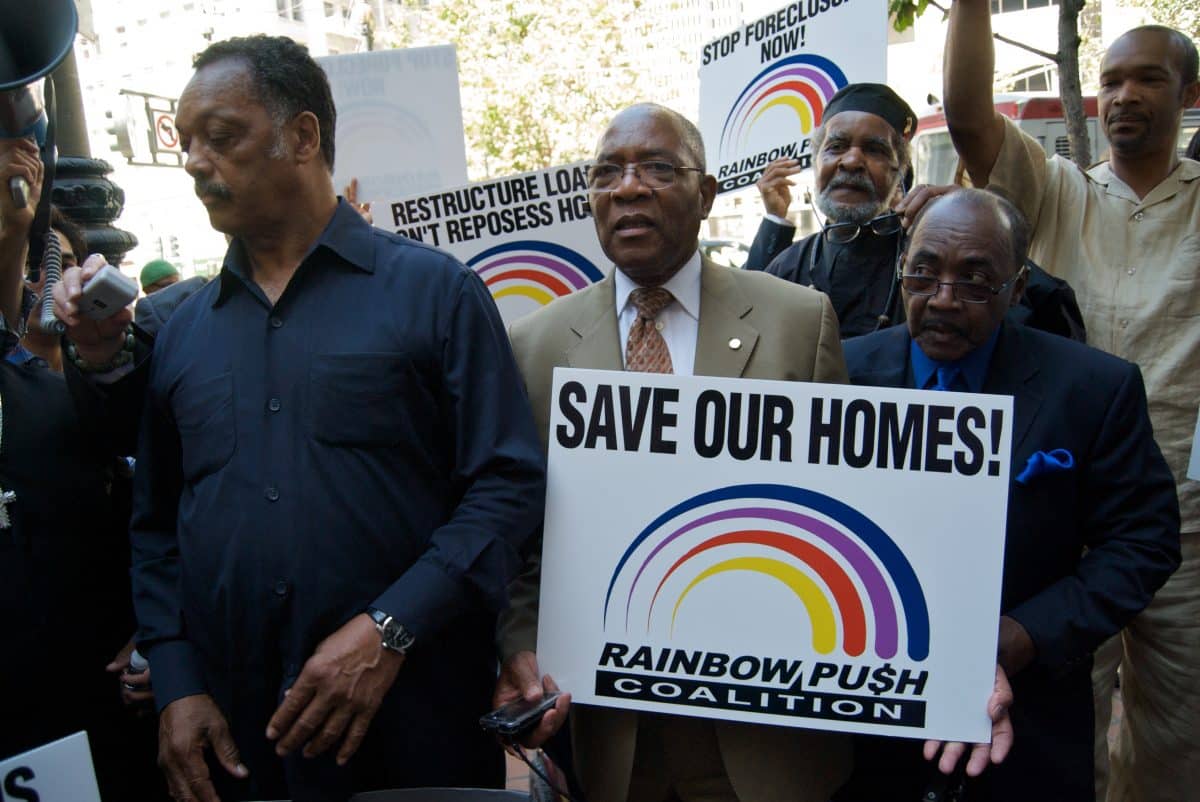
From Protest to Power: Housing, Capital, and Rev. Jackson’s Unfinished Agenda
Rev. Jesse Jackson’s passing reminds us of the need to combine political and economic organizing—and to translate protest gains into lasting structural change.
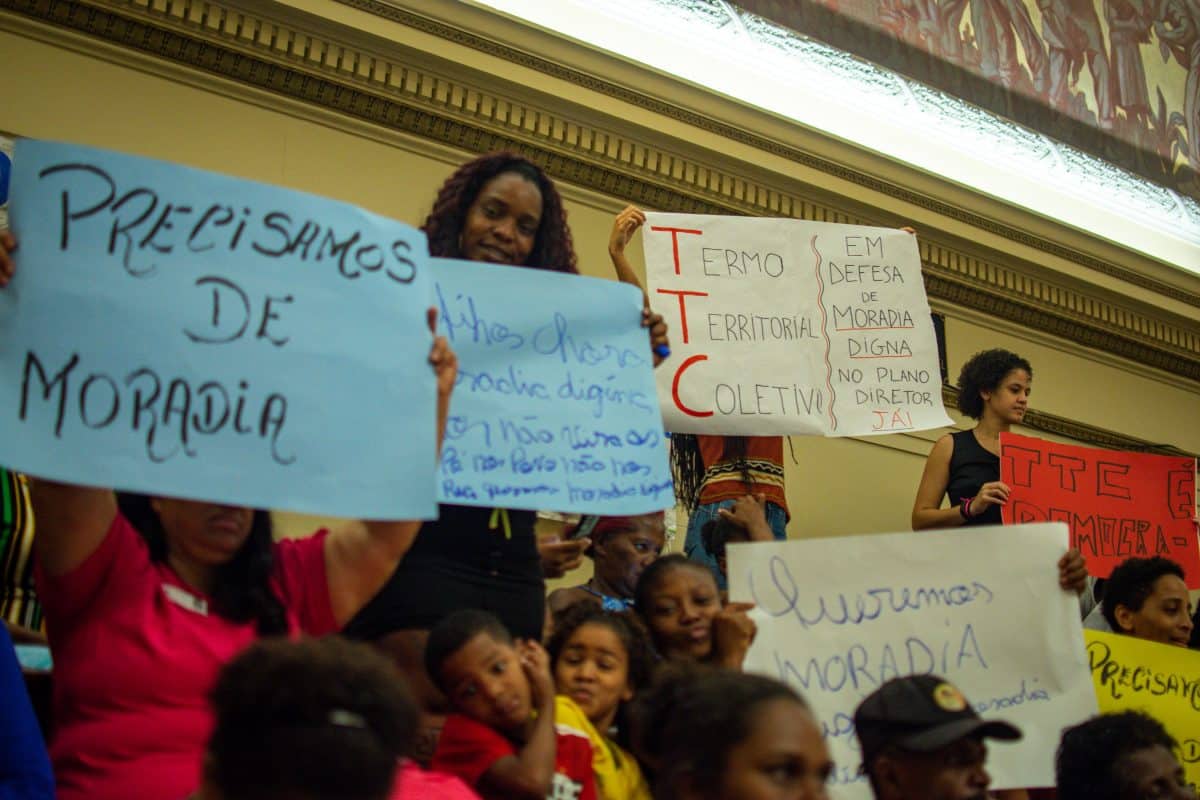
In Brazil, Organized Favelas Turn to CLTs to Protect Their Land
In Brazil’s settlements, or favelas, residents risk displacement due to unclear property title—but getting clear title could price them out of the community. Could community land trusts offer a solution to this dilemma?
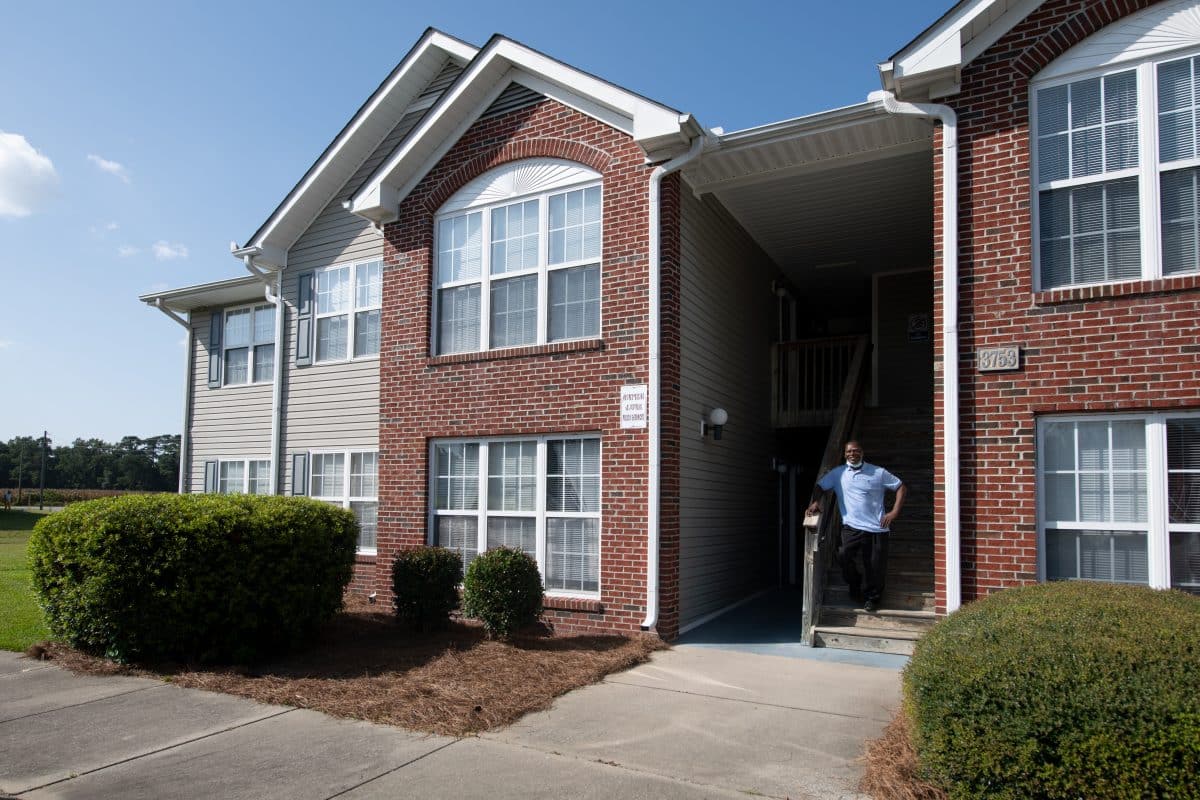
Proposed Change to Rural Housing Program Would Address Looming Preservation Crisis
Housing affordability is not just an urban problem. Section 515, the federal rural rental assistance program, would be extended in the proposed federal housing bills—with an important rule change.
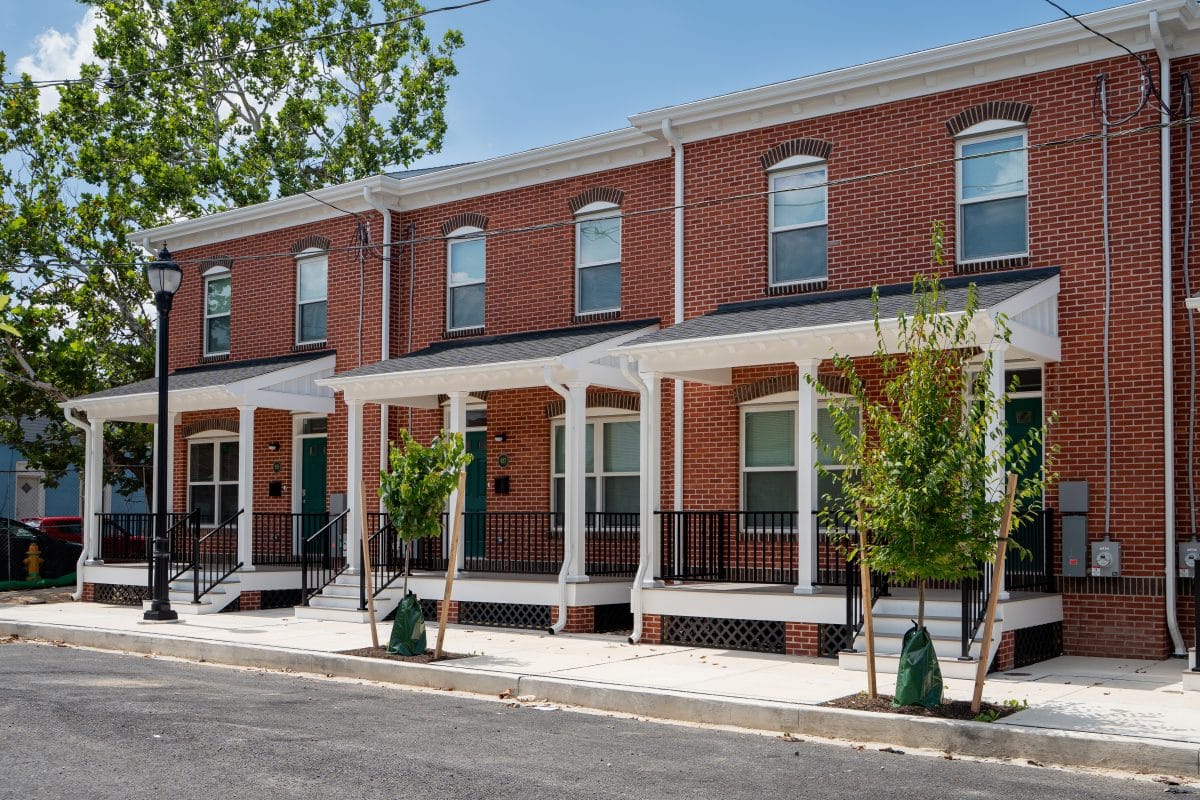
State and Cities Advance Affordability by Lowering Utility Costs
Climate funding from the federal government has become unreliable. But state and local programs in the Northeast offer alternative ways to make homes more efficient for low-income residents and reduce their utility bills.
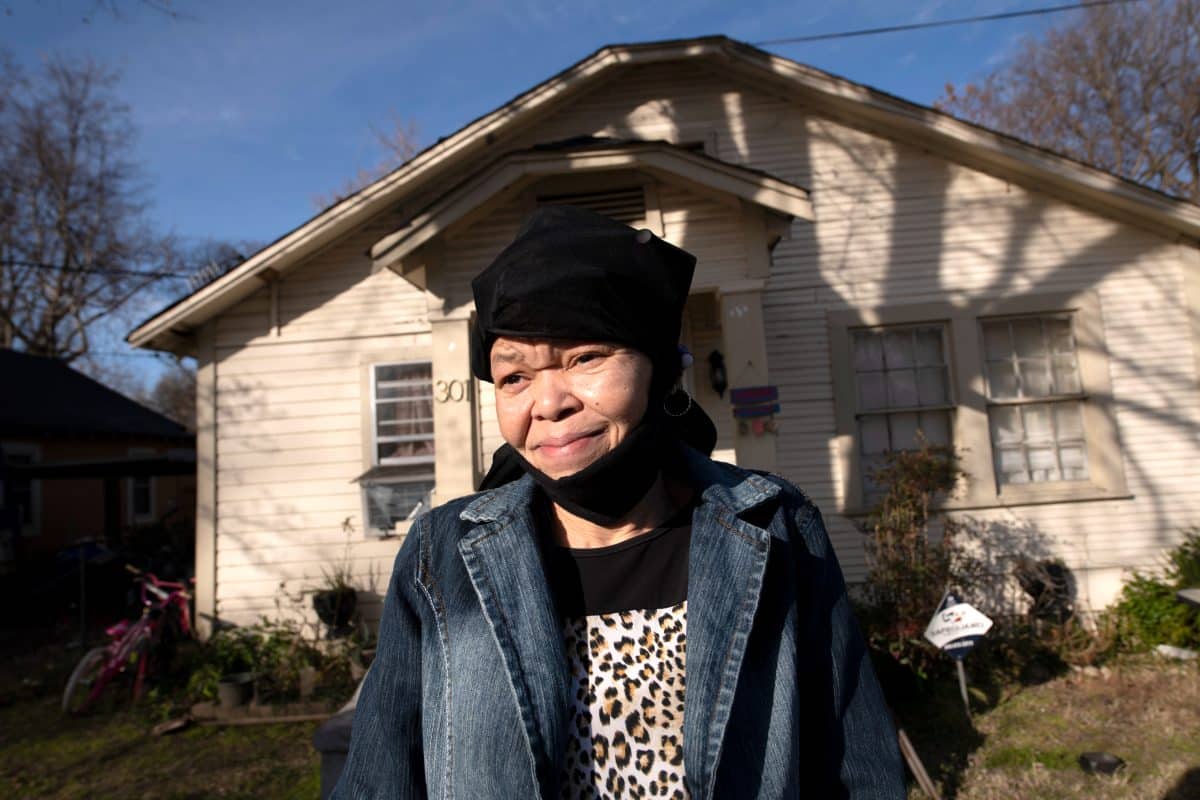
The White House Rural Housing Budget: The Good, the Bad, and the Bigger Picture
The proposed FY 2027 budget for rural housing shows improvements from last year, but still fundamentally fails to provide the support needed for small towns and rural areas to thrive.

Houston Artists and Homeless Residents Collaborate to Create Public Art
In Houston, where a Housing First strategy has dramatically decreased the number of people without a place to stay, artists and unhoused residents teamed up to create public art works.

Making Homeownership Affordable: Bringing Fannie and Freddie Back to Mission, a Shelterforce Webinar
Fannie Mae and Freddie Mac guarantee most U.S. home loans, which is supposed to make homeownership widely accessible. But is this happening? In this webinar, three field leaders argue that these government-sponsored enterprises need to step up with new products and services to expand access to homeownership.
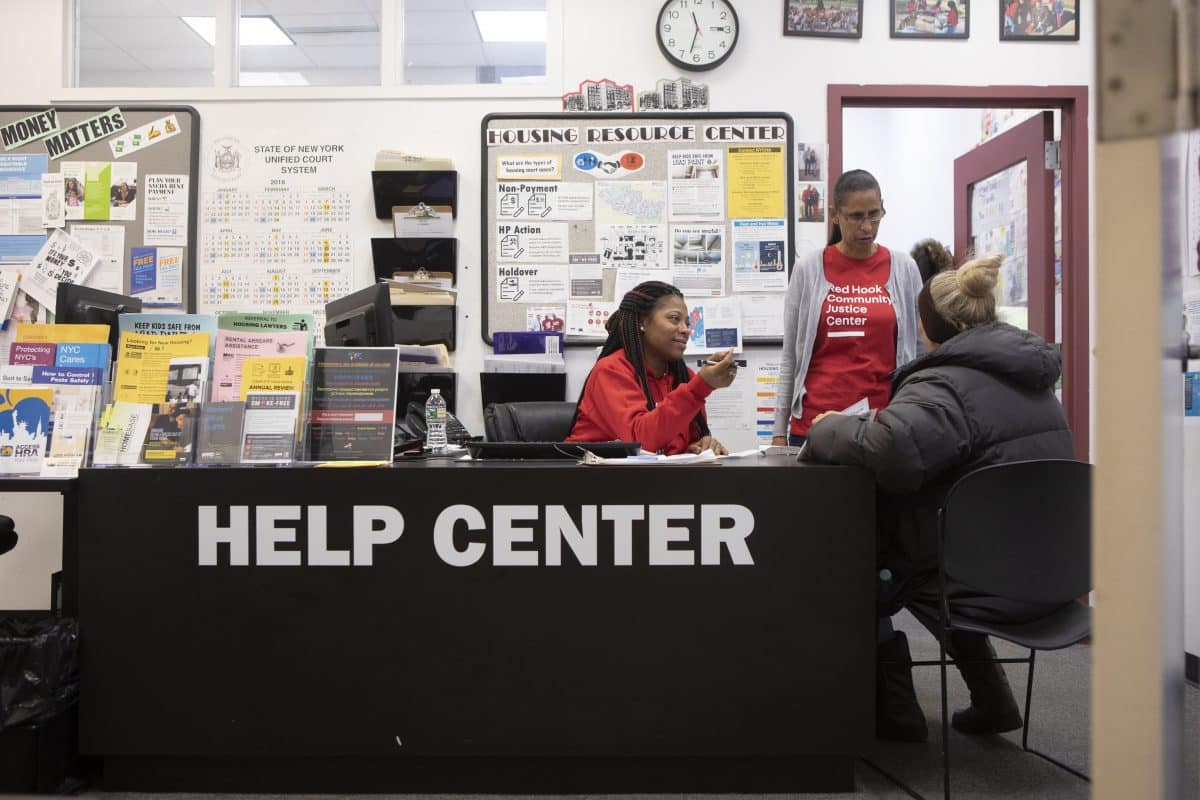
Avoiding Evictions: How State and Local Policy Can Keep Tenants in Their Homes
At a time when support for housing homeless people is under attack, preventing unnecessary evictions—which are costly as well as cruel—is more important than ever for local governments. Here are some of the approaches being tried.
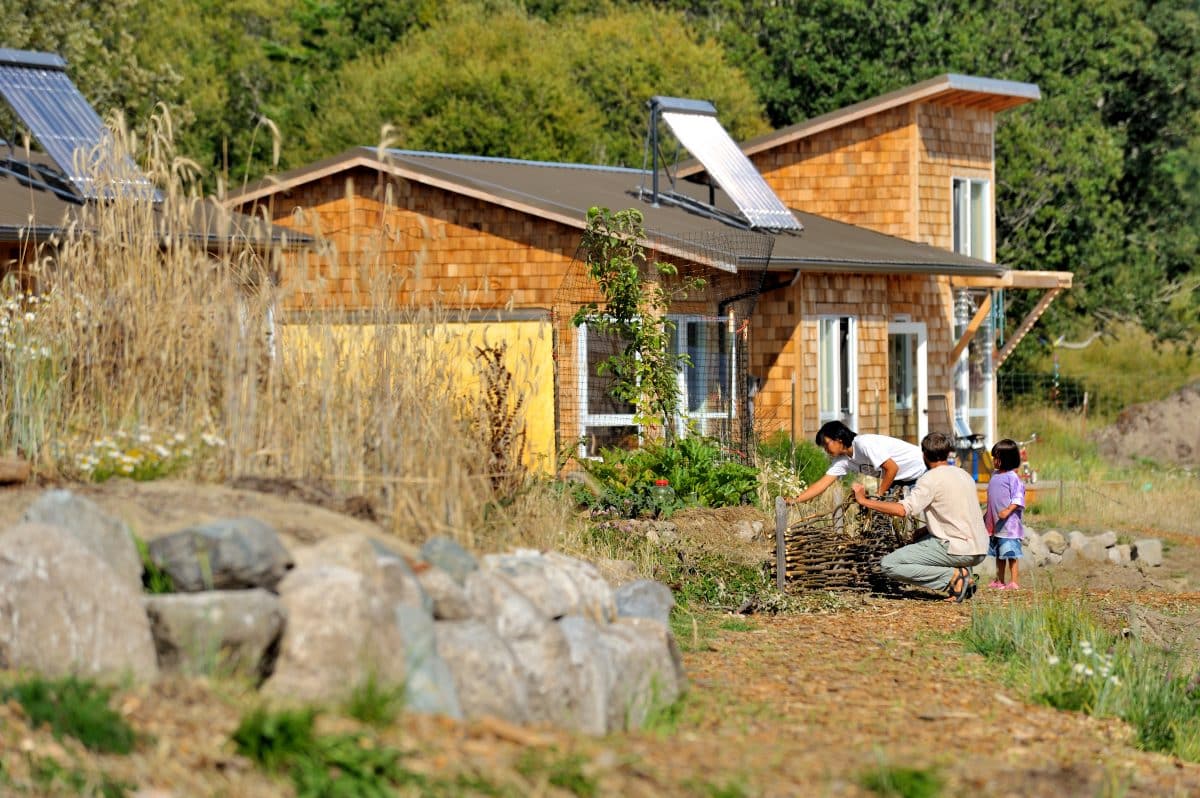
How CLTs are Powering Co-op Growth in Canada: Lessons for the U.S.?
In Canada, more than half of all housing on community land trusts is cooperative housing. In the U.S., that number is less than 2 percent. Why?
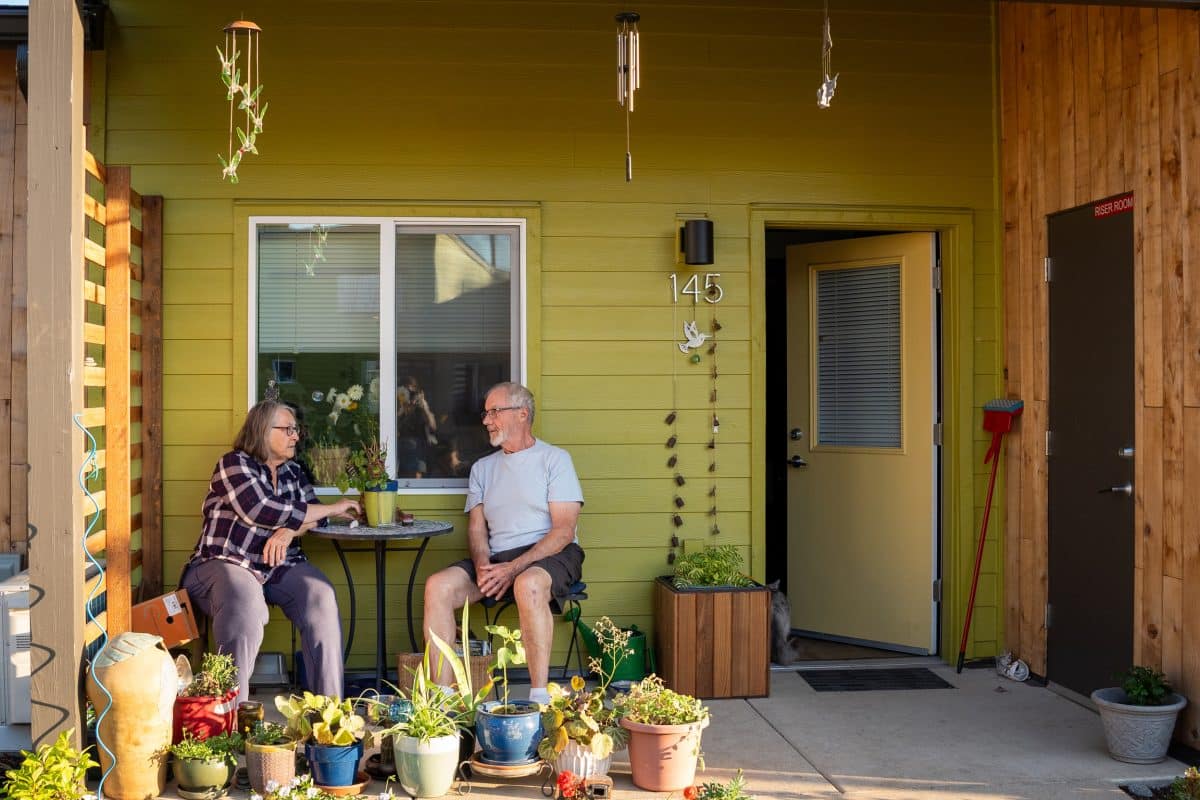
Making Money for Housing Go Further
Housing funding programs are notoriously fragmented. One way to make limited housing dollars go further is to improve the systems that distribute them.