



Rural America is essential to our nation. Rural places produce much of our food, energy, and raw materials and steward our most treasured public lands and cultural resources. Yet rural communities face unique housing barriers: aging infrastructure, limited access to financing, and a lack of resources for maintenance and modernization. Housing supply is stagnant, with available rural housing units rising only an estimated 1 percent between 2013 and 2023, compared to a 10 percent increase for nonrural counties. And 39 percent of rural renters are cost-burdened, spending more than 30 percent of their income on housing.
In the past year, federal rural housing programs have faced many challenges. Several agencies, including the United States Department of Agriculture (USDA), the Department of Housing and Urban Development (HUD), and the Department of the Treasury’s Community Development Financial Institutions Fund (the CDFI Fund), are sitting on multiple years of appropriated funding for a variety of rural programs, stalling projects and leaving families in the lurch.
[RELATED ARTICLE: Breaking Down the Numbers: The 2027 White House Budget Proposal Explained]
Released on April 3, the White House’s fiscal year 2027 budget includes some improvements over its FY 2026, especially for USDA. But there is plenty of reason to be gravely concerned about housing programs the administration has proposed to cut or eliminate.
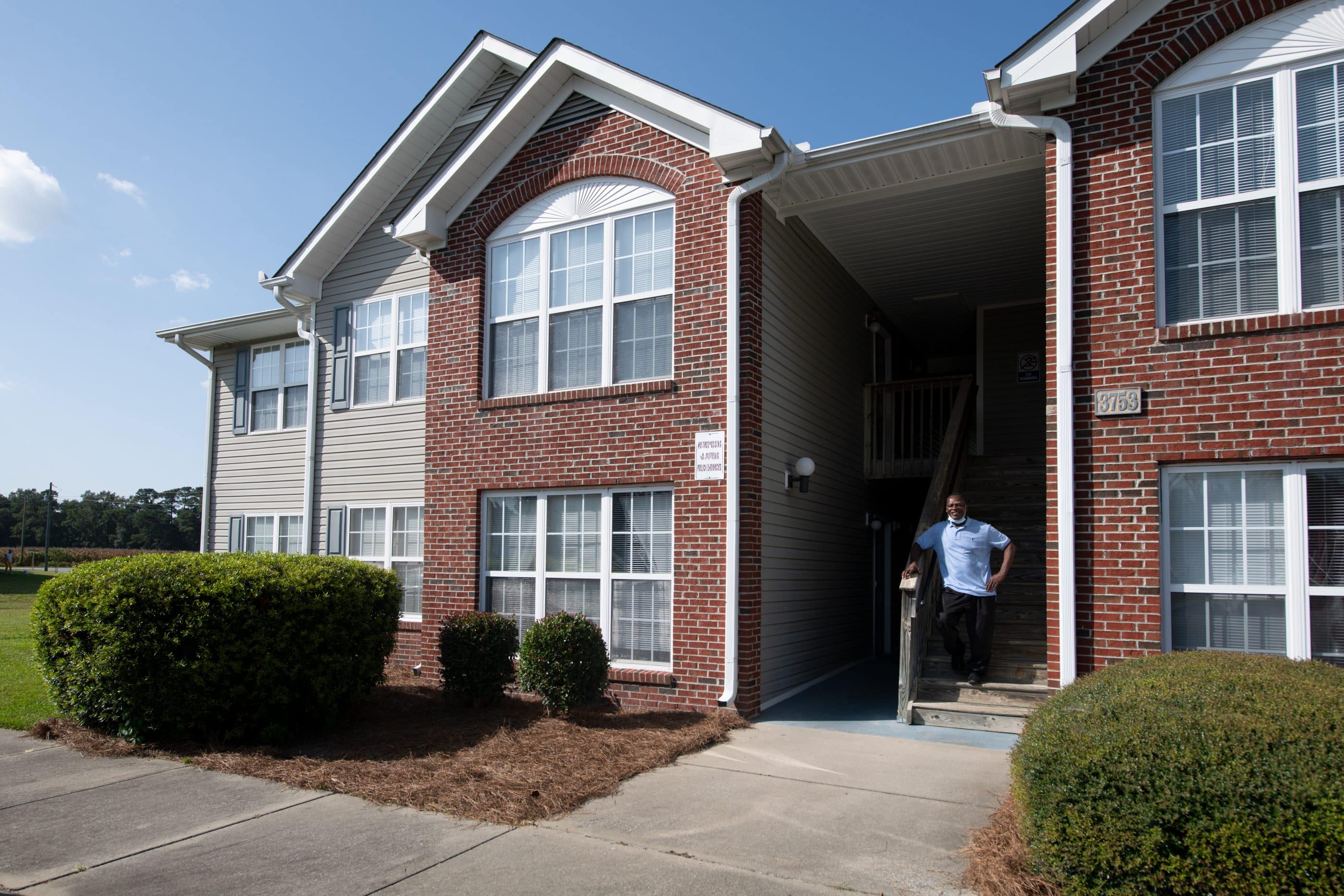
For decades, USDA’s Rural Housing Service has been a lifeline for families, seniors, and workers, investing in both rental housing and homeownership. The preservation of USDA’s vast multifamily rental housing is a top priority at the Housing Assistance Council. A portfolio of nearly 400,000 affordable rural rental units is facing a preservation crisis as mortgages on the properties mature and lose their associated rental assistance.
In this year’s White House budget, both USDA’s Section 515 Rural Rental Housing and its Multifamily Preservation and Revitalization programs would retain FY 2026 funding levels. Funding for Section 521 Rental Assistance program would be modestly increased to keep up with rent increases. The budget would also continue to support a pilot program called the Stand‑Alone Rental Assistance program to protect tenants when USDA mortgages mature. However, the administration proposes eliminate funding for Section 542 vouchers, which many families use to pay rent on their Section 515 homes.
USDA is also known for its incredibly successful rural home loan programs, most notably Section 502 Direct Home Loans. This program is proposed for essentially level funding in the White House budget—an improvement from last year’s budget, when it was slated for elimination. But this budget arrives on the heels of a set of highly detrimental changes to eligibility and processing announced in February, which have essentially brought the program to a grinding halt in most of the country.
At HUD, the FY 2027 White House budget once again proposes a long list of cuts and program eliminations that also impact rural communities. And the administration has also proposed eliminating CDFI Fund programs, except for a new rural-specific CDFI program. A new rural program would be welcome, but we recognize that we live in a deeply interconnected nation. We have argued that if rural areas are left behind, the whole nation suffers. The opposite is also true; thus, we cannot support the consolidation of CDFI grant programs into a single Rural Community Development Fund.

Finally, and perhaps most concerning, the FY 2027 White House budget severely cuts funding for rural capacity-building and technical assistance. A persistent challenge in rural housing is the limited capacity of local governments and nonprofits to navigate federal programs and take on complex housing and community development transactions. Despite this administration’s focus on efficiency, the FY 2027 budget does little to address the administrative burdens that local actors face and calls for eliminating several long-standing rural capacity-building and technical assistance resources. Streamlining application processes, providing technical assistance, and reducing paperwork could help communities better use federal funds.
Of course, Congress often disregards White House budget requests. The House Agriculture Appropriations Subcommittee marked up their FY 2027 spending bill for USDA on April 23 and largely proposed level funding for most rural housing programs. But what is new and unique to this administration is that the budget process does not end when an appropriations bill passes in Congress. We have observed a need across the federal government to continue pushing for the obligation of appropriated funds long after they have been passed by Congress. For example, only on April 10 did the Office of Management and Budget release or “apportion” FY 2025 funds to the Treasury Department for CDFI Fund programs, more than a year after Congress appropriated them.
For housing stakeholders, this budget comes amid ongoing negotiations between the Senate and the House over the contours of a bipartisan package of housing supply reforms. The Rural Housing Service Reform Act (S. 1260/H.R. 4957) is one provision under consideration for inclusion. It recently drew the support of more than 200 national and local groups in a public sign-on letter.
For a more detailed look into the FY 2027 White House budget for rural housing, you can view HAC’s USDA and HUD funding tables. You can also watch HAC’s budget webinar here.
About the Author


Comments