



Topic
Financial System
“Income is how you get out of poverty; assets are how you stay out.” How do we build policies, programs, and products that reduce systematic inequality and advance financial security for all?
The Latest

Affordable Housing Financing Is Overpriced, But It Doesn’t Have to Be
Affordable housing construction finance reflects market norms, but its track record shows it’s far less risky than conventional market-rate housing loans. While lower default rates should lead to lower interest rates, they currently do not.
Explore Articles in this Topic
Search & Filter Within this Topic
filter by Content Type
filter by Date Range
search by Keyword

Landlords Don’t Have to Control Security Deposits
The UK saw a dramatic change in landlord behavior once security deposits were put into the hands of a third party.

We Told You So: Haphazard Rent Relief Rollout Shows Need for Rent Cancellation
Did we want to bail out corporate landlords or help renters? Because we’re doing the former.

How to Get Racial Equity into Biden’s Infrastructure Plan
Congress has an opportunity it must not squander to acknowledge the racial inequity built into our failing infrastructure and put into operation the promise of equity in Biden’s infrastructure plans.

How CDFIs are Helping Small Businesses Create Good Jobs
Community development financial institutions lend to micro- and small-business owners, but the jobs those businesses create are often minimum wage, part time, or otherwise low quality. What makes a job a good job, and what are CDFIs doing to help small-business borrowers create good jobs?

Catch-22: The Tortuous Path to Home Repair Help
Mary Stimpson was supposed to be a high-priority candidate for assistance repairing her roof and furnace. Instead she languished for years without heat until some advocates went above and beyond.

Flooded: How Natural Disasters Lead to Predatory Lending in the Rio Grande Valley
The devastation that communities in the Rio Grande Valley experience is twofold: the initial destruction of the floods and the cycle of debt and poverty as a result of predatory loans.

Valuing Black Lives and Black Cities
Andre M. Perry’s Know Your Price: Valuing Black Lives and Property in America’s Black Cities reveals the web of historical and contemporary socioeconomic barriers that maintain the racial wealth divide and does this through personal narrative, history, and an exploration of a wide array of social issues.
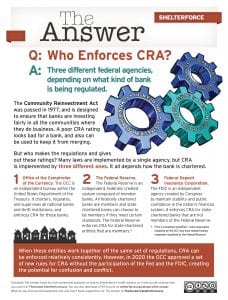
Q: Who Enforces CRA?
Why are there three different agencies enforcing the Community Reinvestment Act, or CRA? Who does each agency enforce it on?

Lessons from the Last Housing Crisis: How to Get Control of Properties
How to keep affordable apartments and single-family homes out of the hands of institutional investors if the coronavirus pandemic leads to a giant wave of evictions and foreclosures.

Stop Talking About the Racial Wealth Gap
It may seem counterintuitive, but in order to close the wealth gap, we must shift our focus from the gap itself to the policies, conditions, and systems that spawned it.
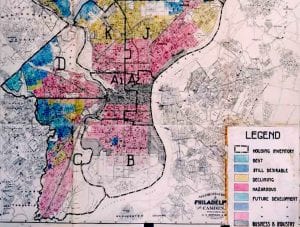
Why the Community Reinvestment Act Must Be Expanded Broadly Throughout the Financial Industry
The financial industry has been one of the main perpetrators of racial discrimination. It should be obligated to serve all communities, particularly communities of color.

Banks Can Earn CRA Credit for COVID Response—But Who’s Benefiting?
All banking activities, regardless of whether they benefit middle- and upper-income or low- and moderate-income people and communities, could count in the next round of CRA exams. This would further disadvantage communities that are already disproportionately impacted by the pandemic.