


Topic
Community Development Field
Shelterforce considers “community development” to be an extremely broad term. But there are still many conversations about the ways in which that broad work happens. Comprehensively or in coalitions of specialized organizations? Locally or regionally? Place or people? While the answers to all of these are usually “both,” there are many conversations to be had about “how.”
The Latest
Unsupported Housing: When Stability Isn’t Enough
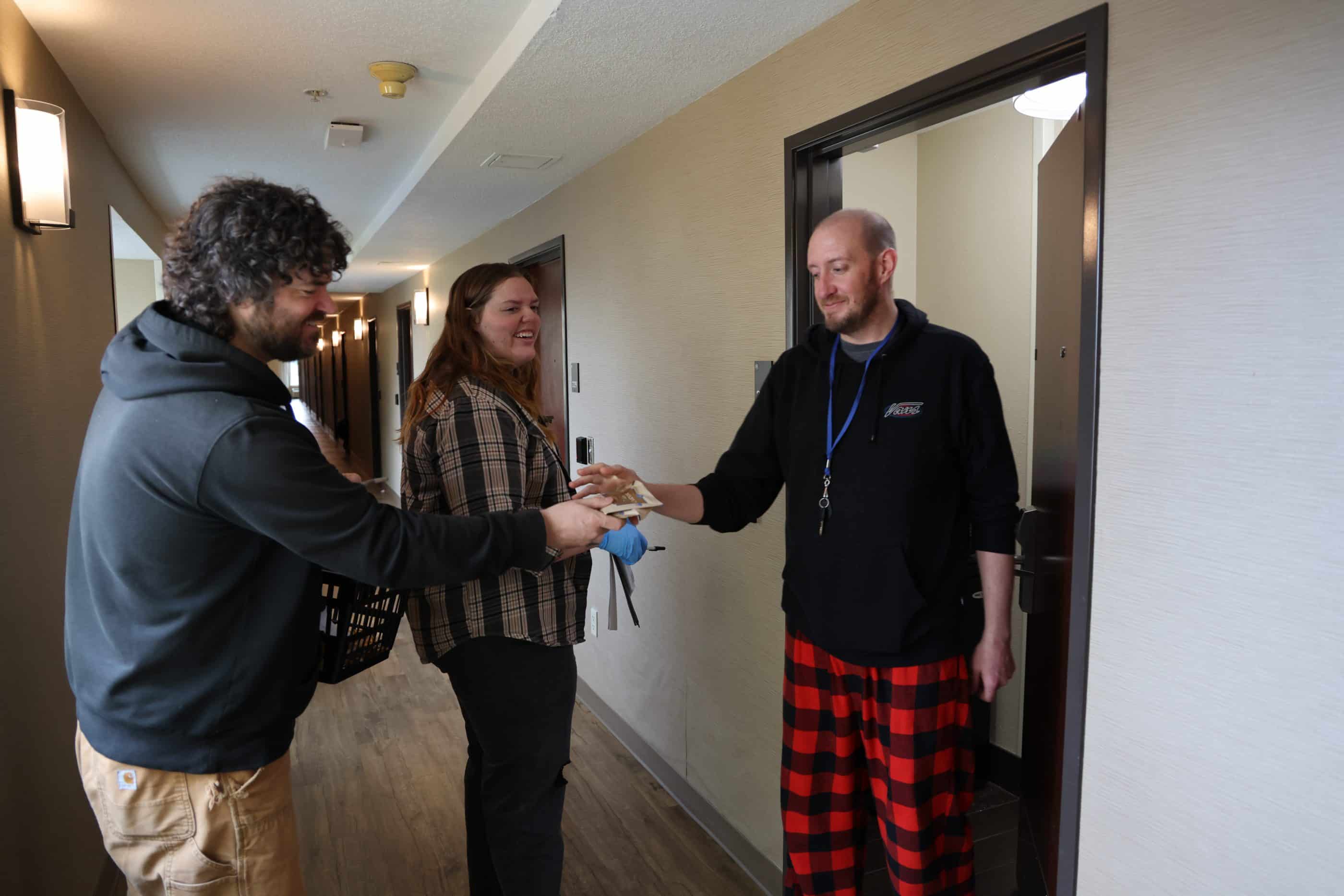
As the country’s mental health, substance use, homelessness, and affordability crises collide, traditional affordable housing providers say they’re being pushed to fill the gaps left by underfunded supportive systems—without the money, staff, or resources to do so.
Explore Articles in this Topic
Search & Filter Within this Topic
filter by Content Type
filter by Date Range
search by Keyword

Community Development Is Crucial in This Moment
One month ago, when I began the first draft of this article, the world was drastically different. Well before we became part of this new reality, I felt an urgency […]

Massachusetts Affordable Housing Providers Lead With Voluntary Eviction Moratorium—But There’s More to Do
Boston didn’t have the power to suspend evictions itself, so while advocates pushed the courts and the state legislature, affordable housing providers agreed to a voluntary eviction moratorium and the city encouraged other landlords to join.

A Love Letter to the Next Decade of Community Development
For a long time, we’ve been too quiet about what’s working and what’s fueling us. But our field has major reasons to be proud; reasons you could miss in the cacophony of daily news.

Pulling the Rug From Under Community Development?
Investments and funding motivated by the Community Reinvestment Act are more foundational to the work of community developers than is often discussed. But if regulations change the incentives for banks, the effects on communities will be dramatic.

Why Organizations Should Invest in Home Repairs to Improve Health
A closer look at the relationship between health and the home repair needs of lower-income households.

How a Dozen Organizations Are Fighting Persistent Poverty Together
A national coalition of development financial institutions, CDCs, and financial intermediaries have banded together with local leaders who live in communities where more than 20 percent of the population has lived in poverty for more than 30 years.

Tiny Houses: Does Size Matter?
The suggestion of tiny houses as a solution to housing unaffordability is both condescending and impractical. Here’s why.
Redlining Would Be Relegalized by CRA Reform Proposal
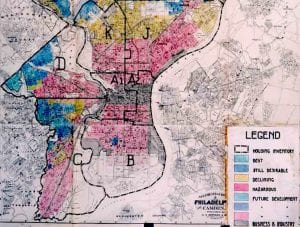
In an attempt to make compliance easier for banks, regulators are proposing to incentivize the very thing the Community Reinvestment Act was written to fight.

Shelterforce’s Top 10 Articles of 2019
We’re sharing the most-read Shelterforce posts of 2019. We hope you enjoy them all and share with anyone who may have missed them.

New Writings Suggest Incremental Change Is Best Path for CRA Reform
These writings suggest that careful reform of CRA regulations can build upon the progress in lending and investing if the reforms are incremental instead of “transformational.”

The Opposite of Deficit-Based Language Isn’t Asset-Based Language. It’s Truth-Telling.
How do you describe the people you work for and with, or the neighborhoods you work in? Do you use primarily “deficit-based” language like “distressed,” “at-risk,” “vulnerable,” “blighted,” “high crime,” […]

“Welcome to Little Tokyo, Please Take Off Your Shoes:” Remembering Dean Matsubayashi
Sustained resistance to gentrification and displacement requires more than antagonism. It requires a community organized around an open, positive alternative vision that has both big ambitions and achievable, intermediary steps.