


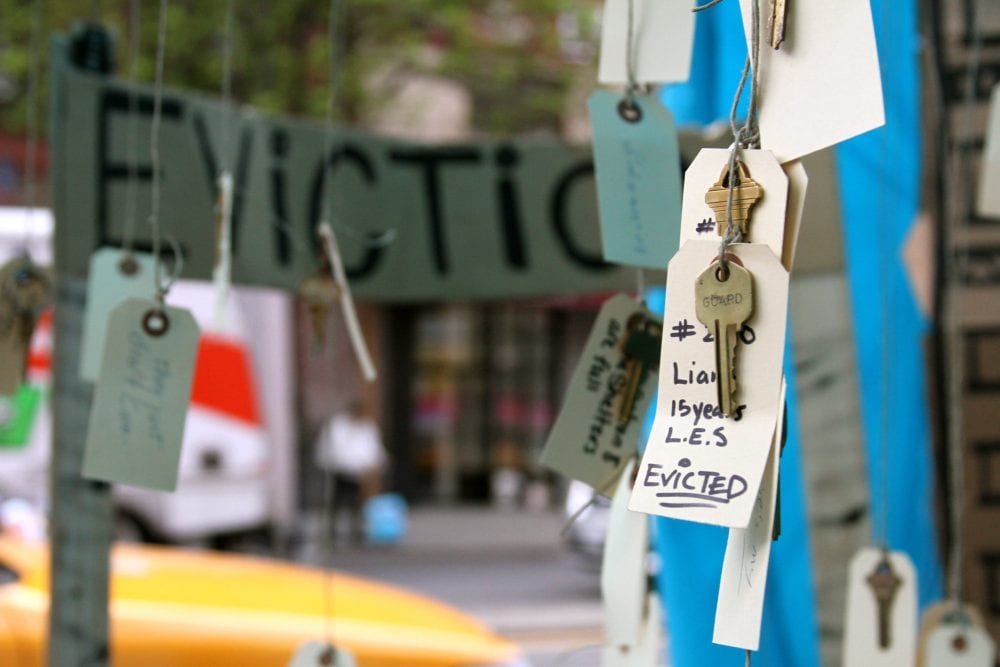
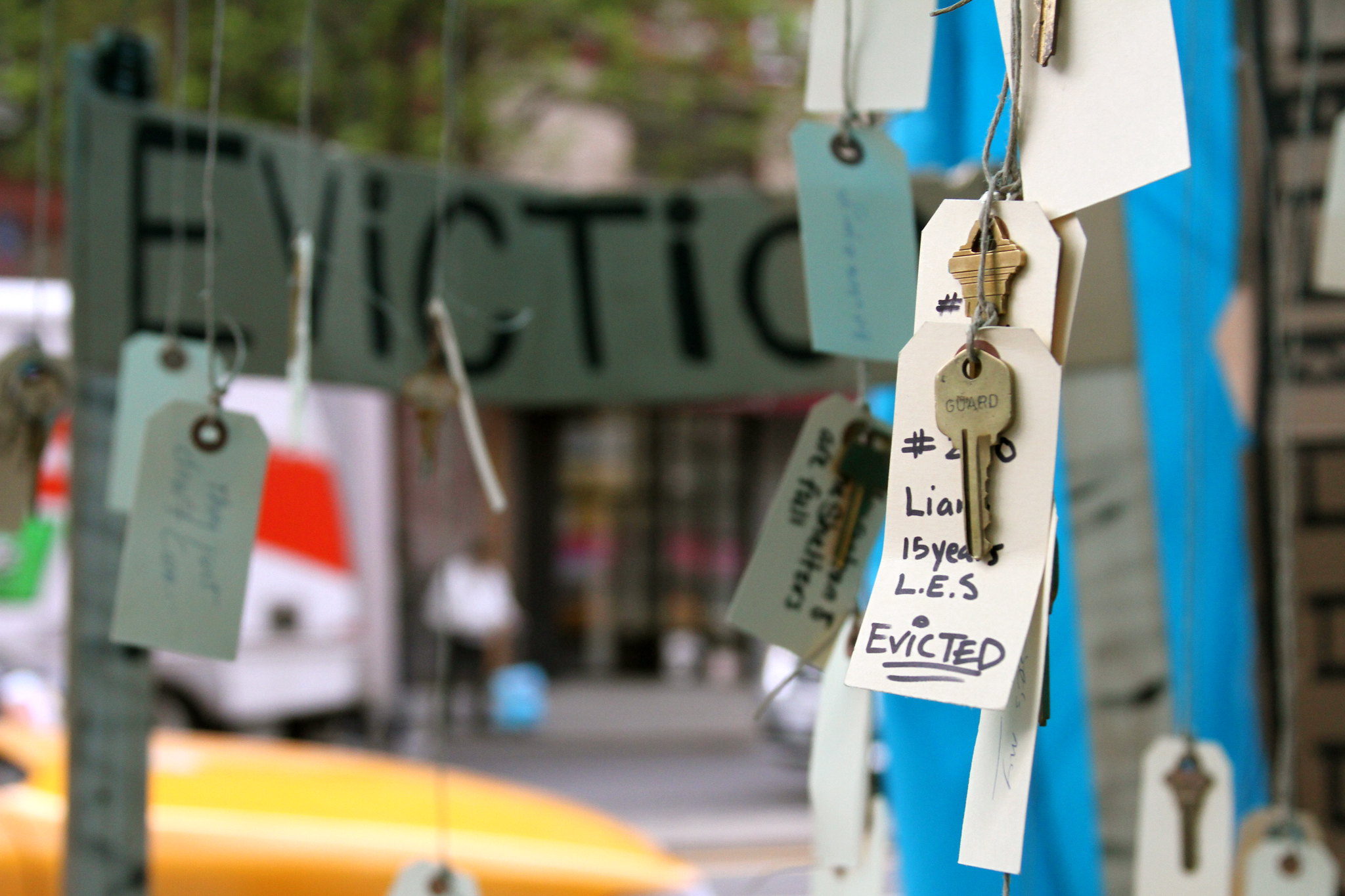
Photo by Linh Do (lmdo) for Flickr, (CC BY 2.0)
We wanted to share with you our 10 most-read articles of 2020. They’ll be familiar to some of you, and new to others. We hope you enjoy these pieces and share with anyone who may have missed them.
For now, thank you for your dedication and we wish you a happy, healthy, and productive New Year! With your continued support, Shelterforce will be with you every step of the way.

The popular organizing demand raises a host of questions for the affordable housing movement.
In an attempt to make compliance easier for banks, regulators are proposing to incentivize the very thing the Community Reinvestment Act was written to fight.
Tiny houses are a step up from shelter beds, but are they also a distraction from real, obvious solutions to our homelessness epidemic?
Rep. Omar’s bill would release tenants and homeowners from housing payments until the national emergency is lifted, and would make up the losses to landlords and lenders through a federal fund.
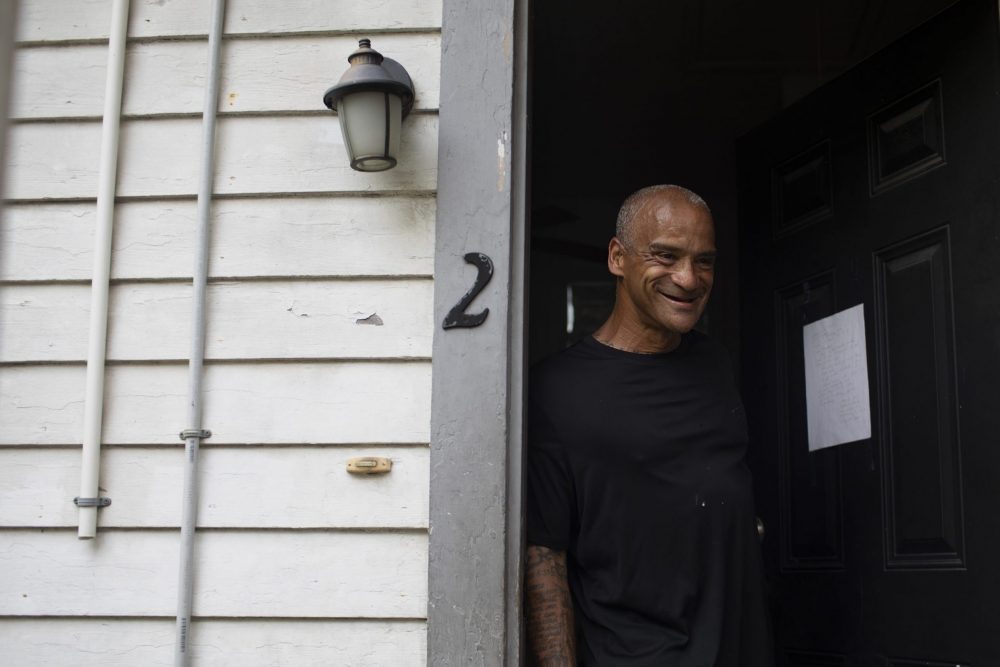
After this story published, Bettie Salles received a flood of phone calls, including from staff from the mayor’s office. By 5:30 p.m. Thursday, Bobby Parker was able to go back home. Photo by Kathleen Flynn
6. High Risk, Essential, and Illegally Evicted
Eviction moratoriums are only as good as their enforcement, as one man’s harrowing story in New Orleans shows.
Millions of renters are at risk of eviction due to the COVID-19 pandemic. We spoke with researchers, advocates, lawyers, housing economists, and rental housing industry representatives to understand what this all means.

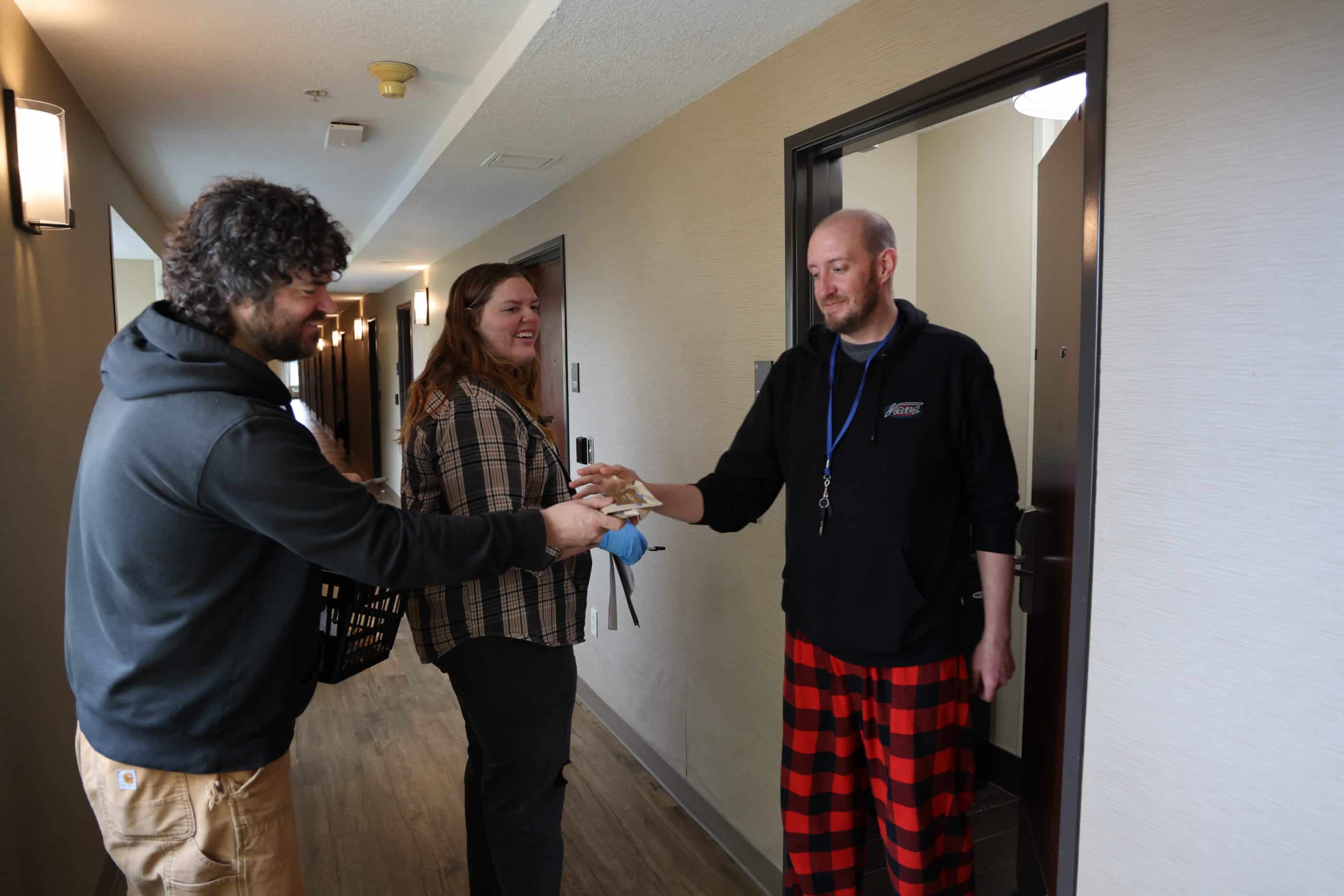
Beyond the crucial goal of reducing the spread of COVID-19, providers say that the shift from shelters to hotel rooms has made dramatic positive change for their clients.
Despite a national eviction moratorium, millions of renters will soon navigate a costly and inefficient system. We take a closer look at one person’s experience after her landlord decided to evict.
COVID-19 will hurt the low-income and housing insecure the most. We must act now to protect them—and ensure safe housing for all going forward. Here’s how.
An eviction moratorium must hit all five phases of eviction, and more, to protect public health. Here’s what to look for to make sure an eviction halt does its job.
About the Author


Comments