


Tag
affordable housing
There are many different kinds of affordable housing. Shelterforce reports on the common and no-so-common variations, how programs are working, important policies and conversations about funding it, and more.
The Latest

Proposed Change to Rural Housing Program Would Address Looming Preservation Crisis
Housing affordability is not just an urban problem. Section 515, the federal rural rental assistance program, would be extended in the proposed federal housing bills—with an important rule change.
Search & Filter Within this Topic
filter by Content Type
filter by Date Range
search by Keyword

Thoughts on the Unnatural Occurrence of Cheap Housing
There are two major issues with NOAH, better known as Naturally Occurring Affordable Housing. One is semantic, and one is practical.

Will Limited-Equity Cooperatives Make a Comeback?
Federal programs and cultural attitudes that helped launch a majority of the large limited-equity co-ops across the nation are long gone, but at a smaller scale, this model of resident-controlled, long-term affordable housing may be experiencing new interest.

How to Build a Case for Community Development and Affordable Housing
In the new administration, housing programs will feel the pressure of budgetary cuts and tax reform. Advocates should be careful not to put down other programs in the process of defending their own, or everyone will lose.

When Deep-Income Targeting Doesn’t Hit the Mark
Deep-income targeting, where the focus is on housing those with the lowest incomes, can mean dramatically different things to affordable rental housing developers in different states, and even in different market areas within the same state.
The Secret History of Area Median Income
AMI is typically used to determine whether a person is eligible for housing assistance. But in a large and wealthy area like the New York City metro, the resulting definitions of “low income” are often skewed, leaving out those who really need the help.
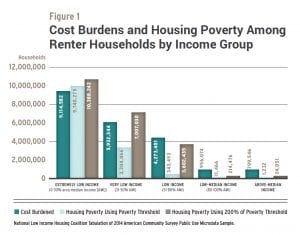
Housing Need Is Even More Skewed by Income Than We Thought
Measuring only for cost burden overstates the housing needs of higher-income people and understates the extreme need at the lower end.
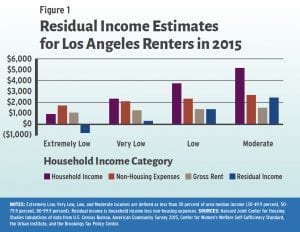
In Defense of the 30 Percent of Income to Housing Affordability Rule–In Some Cases
At an individual level, the 30 percent standard and the residual-income standard can produce very different results. But as a regional measure of affordability problems, they’re not so far apart.

Affordability: The 30 Percent Standard’s Blinders
Using a simple cost-to-income ratio to measure affordability doesn’t give us a good picture of who is really burdened by housing cost. We need a different approach.

How Should We Measure Housing Affordability?
The simplicity of the 30 percent standard is also its downfall. We don’t expect people of differing incomes or family sizes to pay the same percentage of their income in taxes—why would the same percentage work for housing costs?
Vision, Not Just Critique
In the Spring 2017 issue of Shelterforce, we talk about something that comes up daily for many people working in the community development field—what does housing affordability mean? Crafting practical policies to back up our vision requires that we be thoughtful about all of the pieces.

Regulation and Housing Supply: Where the Left & Right Agree (Sort Of)
We gathered some people who have done a lot of thinking and studying on regulation to discuss what it might look like to actually remove obstacles that get in the way of developing less expensive housing options responsibly. What’s possible? What are the trade-offs?
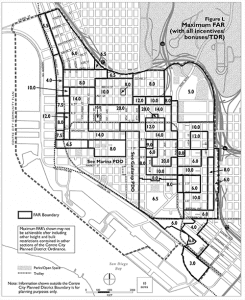
Making It Easier to Build Won’t Generate Affordable Units
It is often convenient to blame city planners for the affordable housing crisis. Sadly, this blame is often misguided because planners do not produce housing.