


Editor’s Note
The Editor’s Note provides a window into the thinking behind Shelterforce’s articles, Under the Lens series, videos, and more.
The Latest

Acting Locally: States, Counties, and Cities on the Front Lines
Even in challenging times, there are many actions that state and local governments can take to improve housing access and look out for their residents.
Search & Filter Within this Topic
filter by Content Type
filter by Date Range
search by Keyword

Why Does Habitability Matter? Health and Our Housing Stock
Whether your home is safe and suitable for healthy living depends on a variety of factors. Shelterforce puts habitability under the lens to show how problems like inadequate heating, water damage, and pest infestations negatively affect your health and further exacerbate the housing crisis.

More Land, More Ways, for More People: What’s New in Community Ownership
Creative problem solving is pushing community ownership models forward.

Tech’s Rising Influence on Housing
Shelterforce’s Lillian Ortiz explains what you can expect in our new Under the Lens series—How Tech Is Changing Housing.

The Housing-Education Intersection
Stable, healthy, decent affordable housing sets children up for educational success, and allows schools to be able to focus on what they do best. Shelterforce’s Miriam Axel-Lute breaks down the housing-education connection and what you can expect in our new series.

Shelter and the Storm: Housing and Climate Change are Intertwined
We’re taking on these intersectional crises in our latest Under the Lens series.
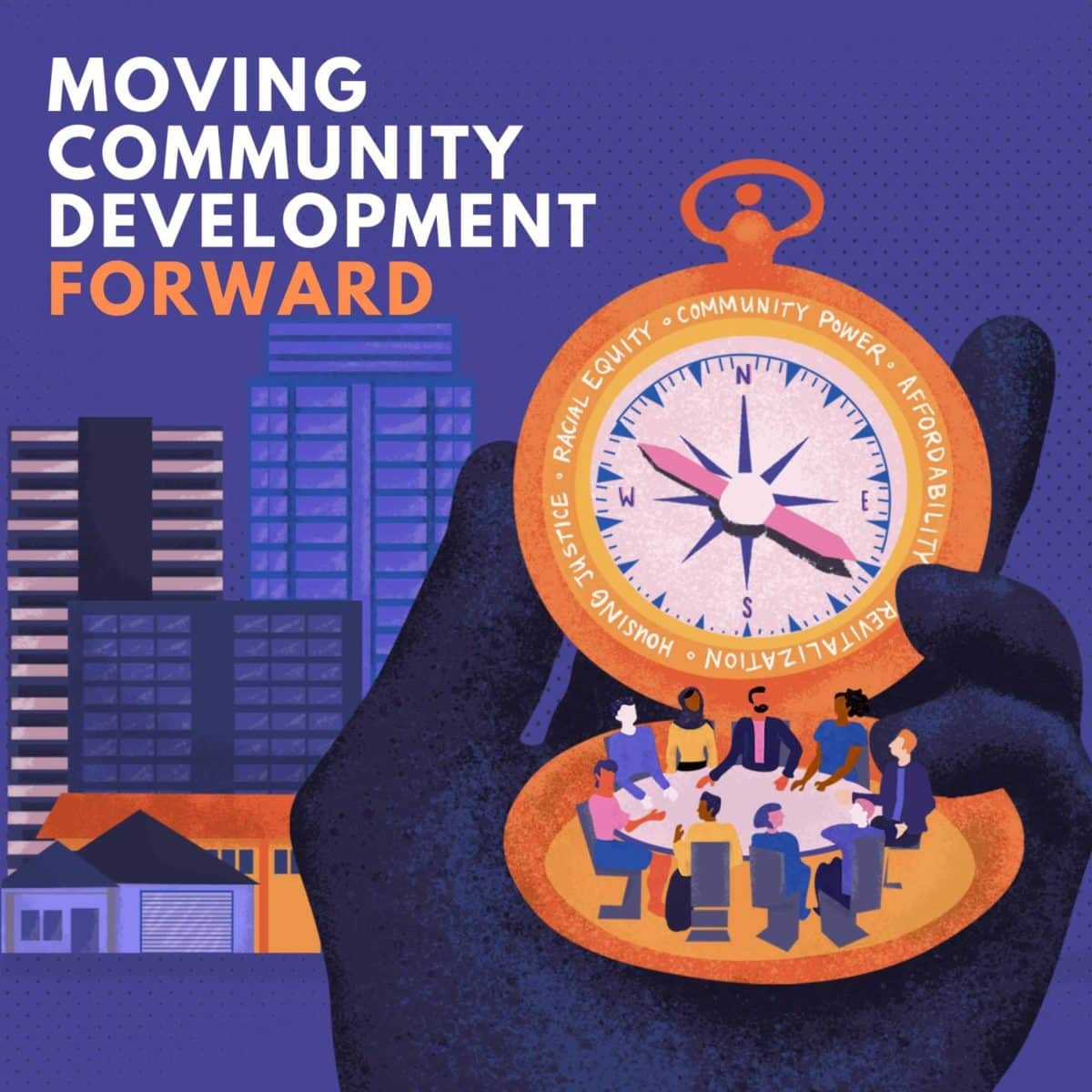
Which Way Community Development?
The community development field is in an interesting and challenging spot right now. Our new Under the Lens series zooms in and explores this moment in the field.

Disability Justice and Equity in Housing
Welcome to Shelterforce’s newest Under the Lens series, Not Just Ramps—Disability and Housing Justice. This introductory article lays out why the connection between disability and affordable housing is so strong, and why it’s so important for housers to understand.
AFFH: Third Time’s the Charm?
What’s the Affirmatively Furthering Fair Housing provision? How has it been enforced in the past? And what do fair housing advocates think of the proposed changes? Shelterforce’s new Under the Lens series—New AFFH Rules: What You Need to Know—explores that and more.
Inflation and the Consumer Price Index—Redirected Page
The article originally published at this url, “Inflation Is Raising Rents—But Not How You Think,” has been removed because we have determined that it was based upon a flawed premise […]
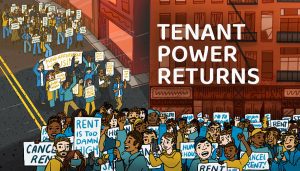
Tenants Rights: It’s Not a Moment, It’s a Movement
In “Tenant Power Returns,” Shelterforce examines how the energy and focus in the housing world is returning to tenant organizing.
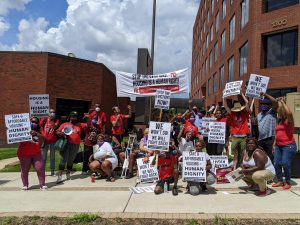
Making Money Over Making Homes
Housing has become less about shelter and more about extracting profit. How has that way of thinking changed the market and what are housing advocates trying to do about it? In our new series—Homes or Cash Cows—Shelterforce explores the financialization of housing.
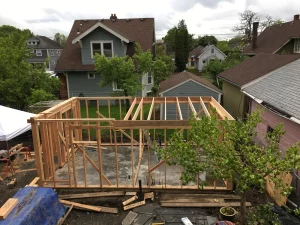
What Does It Take to Get ADUs Built?
In our new series—ADUs Explained—we’ll look at some of the major policy considerations in legalizing accessory dwelling units, how they get built and financed, and the role they can play in our affordable housing landscape.