



Topic
Community Development Field
Shelterforce considers “community development” to be an extremely broad term. But there are still many conversations about the ways in which that broad work happens. Comprehensively or in coalitions of specialized organizations? Locally or regionally? Place or people? While the answers to all of these are usually “both,” there are many conversations to be had about “how.”
The Latest

Unsupported Housing: When Stability Isn’t Enough
As the country’s mental health, substance use, homelessness, and affordability crises collide, traditional affordable housing providers say they’re being pushed to fill the gaps left by underfunded supportive systems—without the money, staff, or resources to do so.
Explore Articles in this Topic
Search & Filter Within this Topic
filter by Content Type
filter by Date Range
search by Keyword

Talking About Revitalization When All Anyone Wants to Talk About Is Gentrification
Strategies for turning the conversation back to places where gentrification is not only *not* present, but not impending.
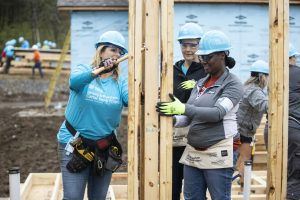
Habitat for Humanity Steps into Housing Politics
The primary image evoked by the Habitat for Humanity name remains that of President Jimmy and Rosalynn Carter working with volunteers to build or improve single-family homes. Habitat’s do-gooder image […]

The Community Land Trust Movement Imagines Its Future
The 50th anniversary of New Communities was an opportunity for celebration and reflection—some of it critical—about the CLT movement.

Storytelling Makes the Case for Affordable Housing
To increase public support for investment in affordable housing, we must build a broader coalition by amplifying new voices and creating channels to build awareness of affordable housing needs.
Small Numbers, Great Expectations: A Case for Rural Investment
“Drop dead” wasn’t an acceptable answer to urban decay in the 1970s. And it isn’t the right answer for struggling rural areas today.

New Communities Inc. at 50: Thoughts on Identity and A Different Way Forward
The story of the nation’s very first land trust shows that sometimes it takes people who have been repeatedly left out of systems to shake us into remembering to aim big, consider new strategies, and leave no one behind.

To Address Displacement in Your Community, Start by Asking, “Who’s Financing It?”
While developers, tech companies, and greedy landlords are often cited as the usual suspects driving the housing crisis, one group is often overlooked: the banks that finance the deals.

Creative Ways to Finance Agriculture
In Montana, small family farms are disappearing at an alarming rate, and farmers and ranchers are unable to compete with giant agriculture mergers. But there are several ways to help improve the farmland accessibility issue.

Evaluating a Program’s Health Outcomes
The Health Outcomes Demonstration Project, a partnership between Success Measures at NeighborWorks America and Enterprise Community Partners, helped organizations measure their programs’ impact on residents’ health.

How Successful is Your County in Accessing Community Development Funding?
some communities in the United States seem much better than others at attracting grants and financing for community development—even after adjusting for their relative needs. Here are some of the surprising trends:
Are We Diluting the Mission of Community Land Trusts?
CLTs’ dependence on external grant funding to acquire land and maintain their operations make them particularly susceptible to mission drift. Coming in with this knowledge, organizers may still be able to use the tool adequately or opt for other collective land ownership strategy.

Is Success Making CDFIs Too Risk-Averse?
Shelterforce’s Miriam Axel-Lute in conversation with Ed Gorman of NCRC on whether community development financial institutions (CDFIs) are taking enough risk, and therefore, falling short of their mission.