
Flooding in North Charleston, South Carolina

Community Development Field

The Week in Community Development—June 14

News from—and affecting—the community development world. This week: The CDFI Fund's Big Win | Landmark Tenant Protections Pass in NY State | Relief In Sight for Flood Zones? | Mortgage Bank Fined by CFPB | More...

The aftermath of flooding in North Charleston, South Carolina, which was caused by over 15 inches of rainfall from Hurricane Joaquin in 2015. Photo by Ryan Johnson, via North Charleston flickr page, CC BY-SA 2.0

Flooding in North Charleston, South Carolina

The aftermath of flooding in North Charleston, South Carolina, which was caused by over 15 inches of rainfall from Hurricane Joaquin in 2015. Photo by Ryan Johnson, via North Charleston flickr page, CC BY-SA 2.0

This week, Rep. Maxine Waters (D-Ca) advanced a bill (along with a Republican counterpart) that would reauthorize the National Flood Insurance program for five more years—until 2024. Among other things, the bill includes some changes that increase access to and affordability of flood insurance, and provides funds to improve flood mitigation and flood zone mapping. It was approved unanimously in committee, and will not go on to a full House vote.

The CDFI Fund received an unprecedented vote of confidence this week when the House appropriations Financial Services and General Government Subcommittee approved a $50 million funding increase, to $300 million—the highest funding level for the fund ever. The bill goes to a full House Appropriations vote in the coming weeks. The subcommittee also shot down an amendment that would have taken away the CFPB’s independence.

Which is good, because we still really need the CFPB. It continues to find and fine bad banks. Last week, the CFPB announced that it would be fining Freedom Mortgage bank for its’ reporting inaccurate Home Mortgage Disclosure Act (HMDA) data. When Freedom bank clients declined to list their ethnicity in their loan application, some loan officers were instructed to select “white,” whether they were white or not, in order to proceed around an application system roadblock.

Unprecedented Reforms: New York’s rent laws and tenant protections are expected to be the “strongest … in history” after the state Senate struck a deal this week on a number of reforms. Gov. Cuomo was expected to sign the bill today. Two of the biggest changes will deal with deregulation and expansion rules, according to the New York Times. (This piece in amNewYork breaks down the many reforms that are expected to pass.) Bravo! This was certainly a long time coming, and it seems like the years long fight has paid off. Of course landlords and real estate industry isn’t too happy—they’re planning on challenging the reforms in court.


  • A small white house made out of paper sits atop a pile of silver coins.

    Affordable Housing Financing Is Overpriced, But It Doesn’t Have to Be

    June 30, 2026

    Affordable housing construction finance reflects market norms, but its track record shows it’s far less risky than conventional market-rate housing loans. While lower default rates should lead to lower interest rates, they currently do not.

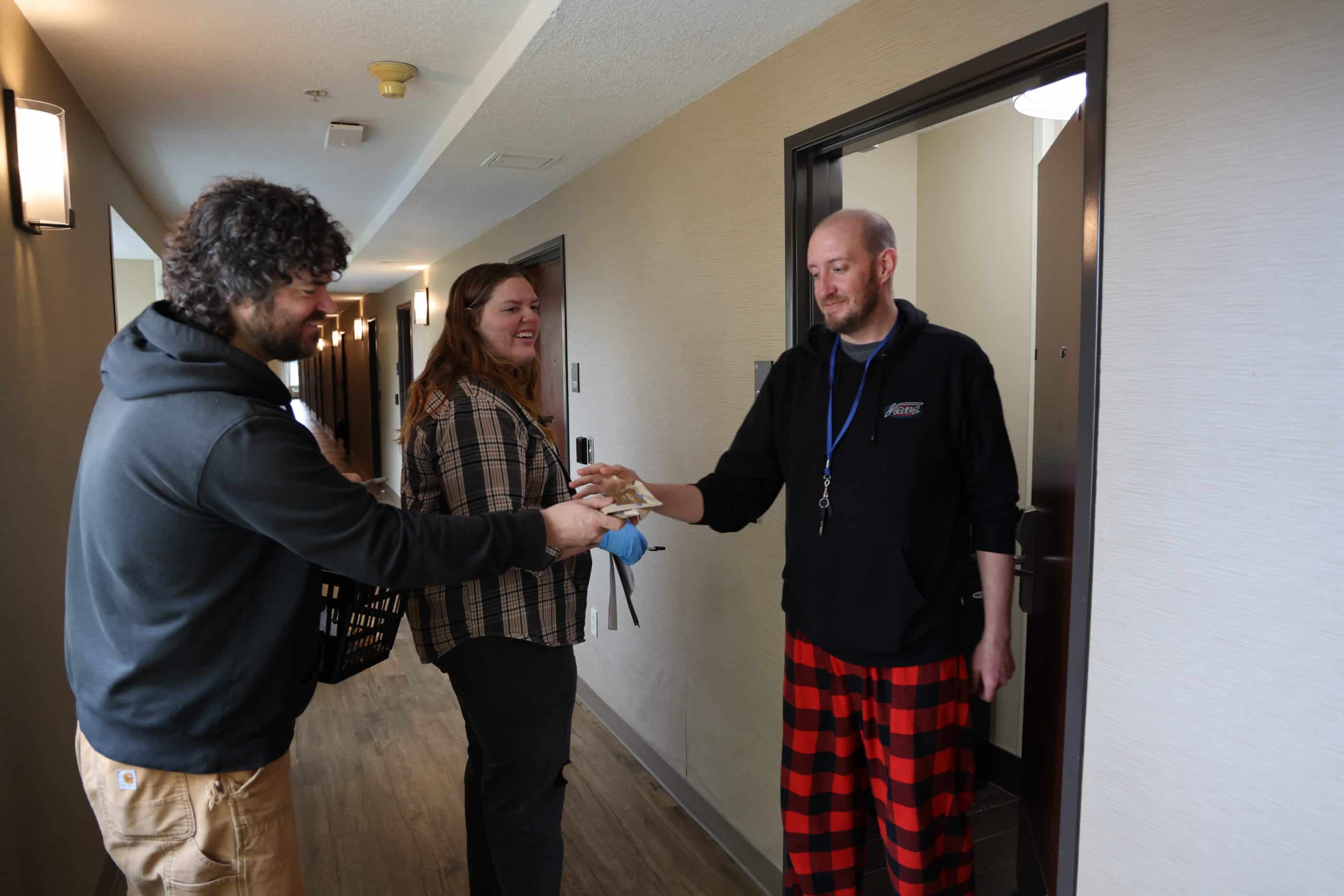
  • A white man with curly hair and a short beard, wearing a black sweatshirt and tan Carhartt pants, hands supplies to a white man with a close-shaved head and short beard, wearing a black Vans sweatshirt, and checkered red-and-black pajama pants. They are standing in the interior doorway of an apartment in what appears to be a residential building. A white woman with strawberry-blonde hair, wearing a checkered shirt and dark pants, stands behind them, holding a pen and papers in her hands.

    Unsupported Housing: When Stability Isn’t Enough

    June 16, 2026

    As the country’s mental health, substance use, homelessness, and affordability crises collide, traditional affordable housing providers say they’re being pushed to fill the gaps left by underfunded supportive systems—without the money, staff, or resources to do so.

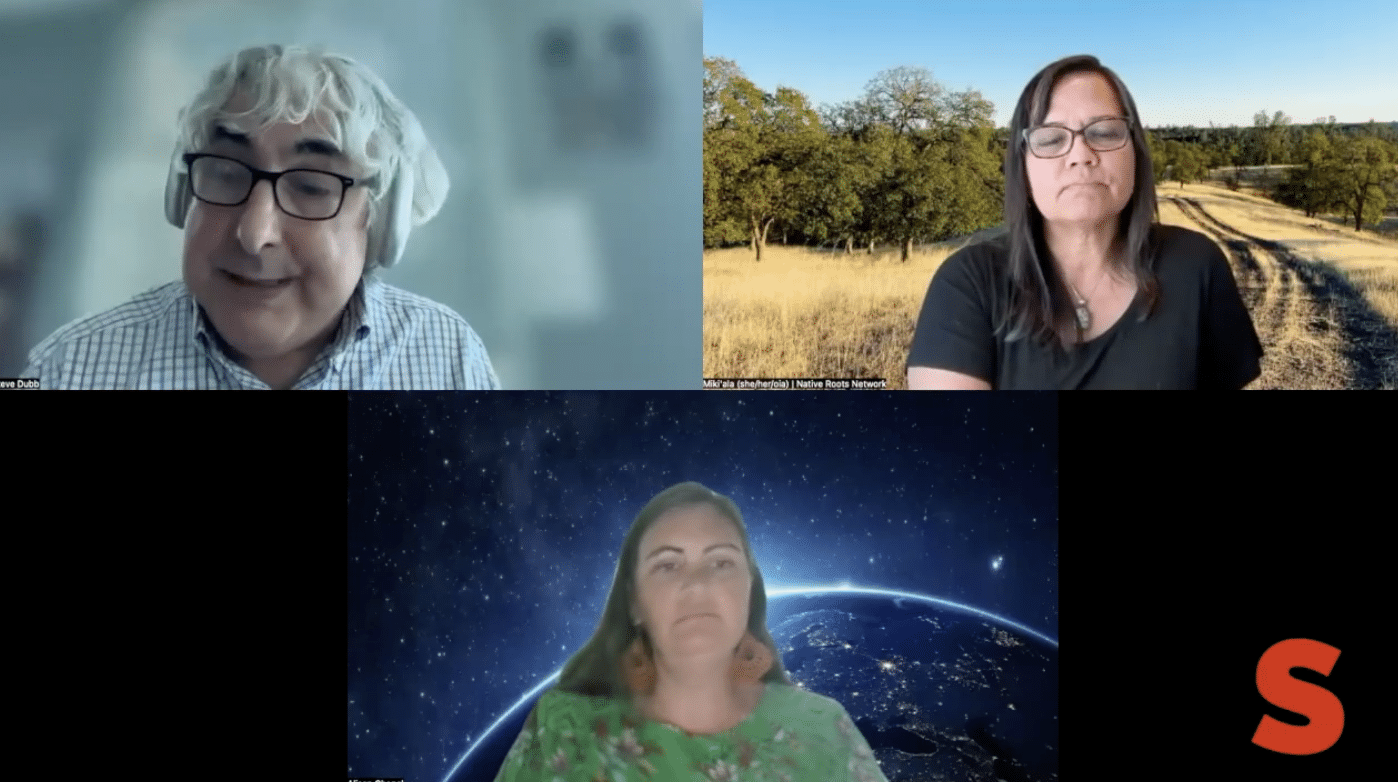
  • A webinar screenshot of three people. In the top-left corner is a white man with gray hair and dark eyebrows; he is wearing headphones, glasses, and a checkered shirt, and his background is blurred. In the top-right corner is a Hawaiian woman with dark hair; she is wearing glasses and a black t-shirt, and she is set against a screensaver of a tree-lined field. On the bottom is a white woman with brown hair; she is wearing a green floral top and large earrings, and she is set against a screensaver background of the earth viewed from space.

    What Does a Solidarity Approach to Housing Look Like? A Shelterforce Webinar

    June 10, 2026

    In this webinar, we examine what a solidarity economy approach is, what its principles are, how these principles are being applied presently, and how they might be applied more broadly to support housing justice and transformative economic change.