Organizing

In Chicago, a Partial Solution to the Foreclosure Crisis?

This week Chicago Alderman Pat Dowell, at the request of Action Now, the former Illinois chapter of Acorn, which broke away in 2008, and their allies, like Southwest Organizing Project, […]

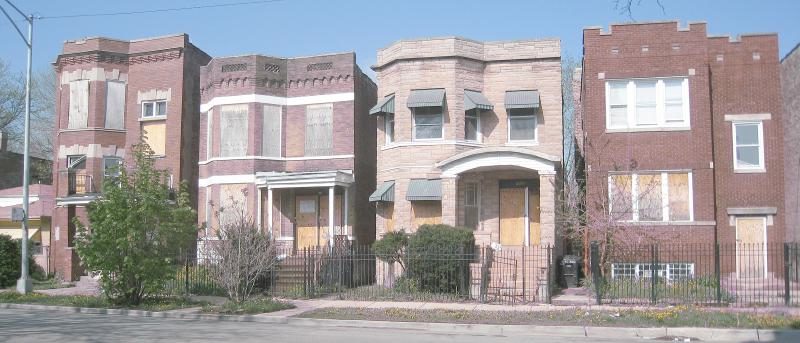
This week Chicago Alderman Pat Dowell, at the request of Action Now, the former Illinois chapter of Acorn, which broke away in 2008, and their allies, like Southwest Organizing Project, in the Foreclosure Convening, introduced a new ordinance that would charge the banks the real cost of their actions to foreclose and evict. If passed, the ordinance would pass the responsibility for securing and maintaining vacant buildings onto lenders, regardless of whether they have actually reclaimed legal possession of a building. This proposed legislation would hold banks responsible for the properties they foreclose on by requiring the bank post a bond of $10,000 on every vacant building.

The ordinance would also provide for a finder’s fee to be given to neighbors who report maintenance violations on vacant properties. The finder’s fee would be 5 percent of the total fines and fees assessed at a vacant property, usually amounting to somewhere between $50 and $250.

As homeowners watch their blocks become more and more dangerous and vermin-infested because of the unkempt vacant buildings, we finally have a way to get the banks to pay for at least a portion of the damage they are causing. The ordinance empowers community organizations to help people with the required research and documentation.

For more information on the ordinance, call Action Now at (312) 676-4280.

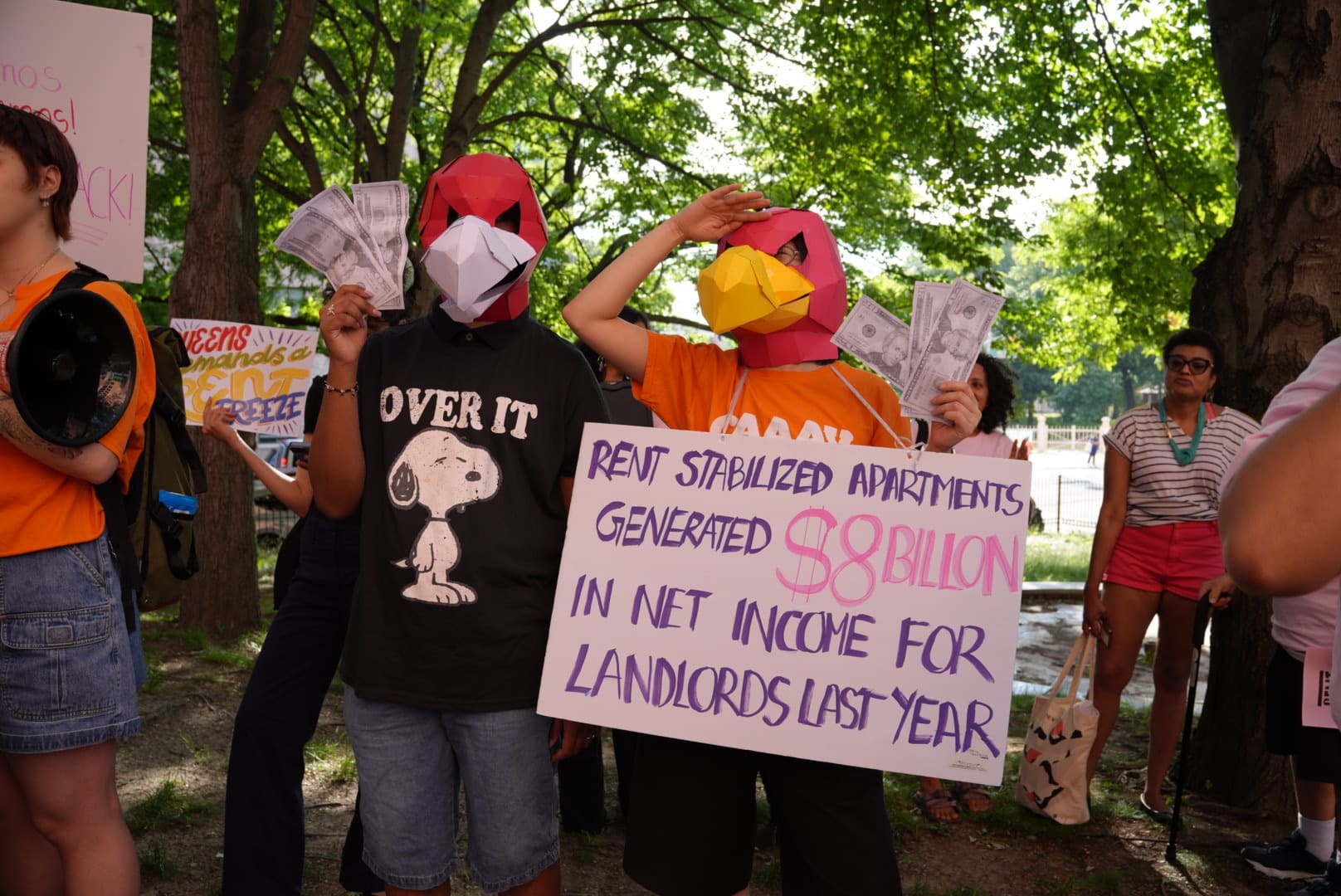
  • Two people with paper bird masks hold dollar bills. One wears a sign that says "Rent stabilized apartments generated  billion in net income for landlords last year."

    Are NYC’s Rent-Stabilized Buildings Really in Crisis?

    June 24, 2026

    A two-year rent freeze, affecting about 1 million rent-stabilized apartments in New York, was just approved. Before the freeze passed, landlords said their buildings wouldn’t survive it. But recent analyses suggest the real culprit behind distressed buildings is predatory equity, not rent stabilization.

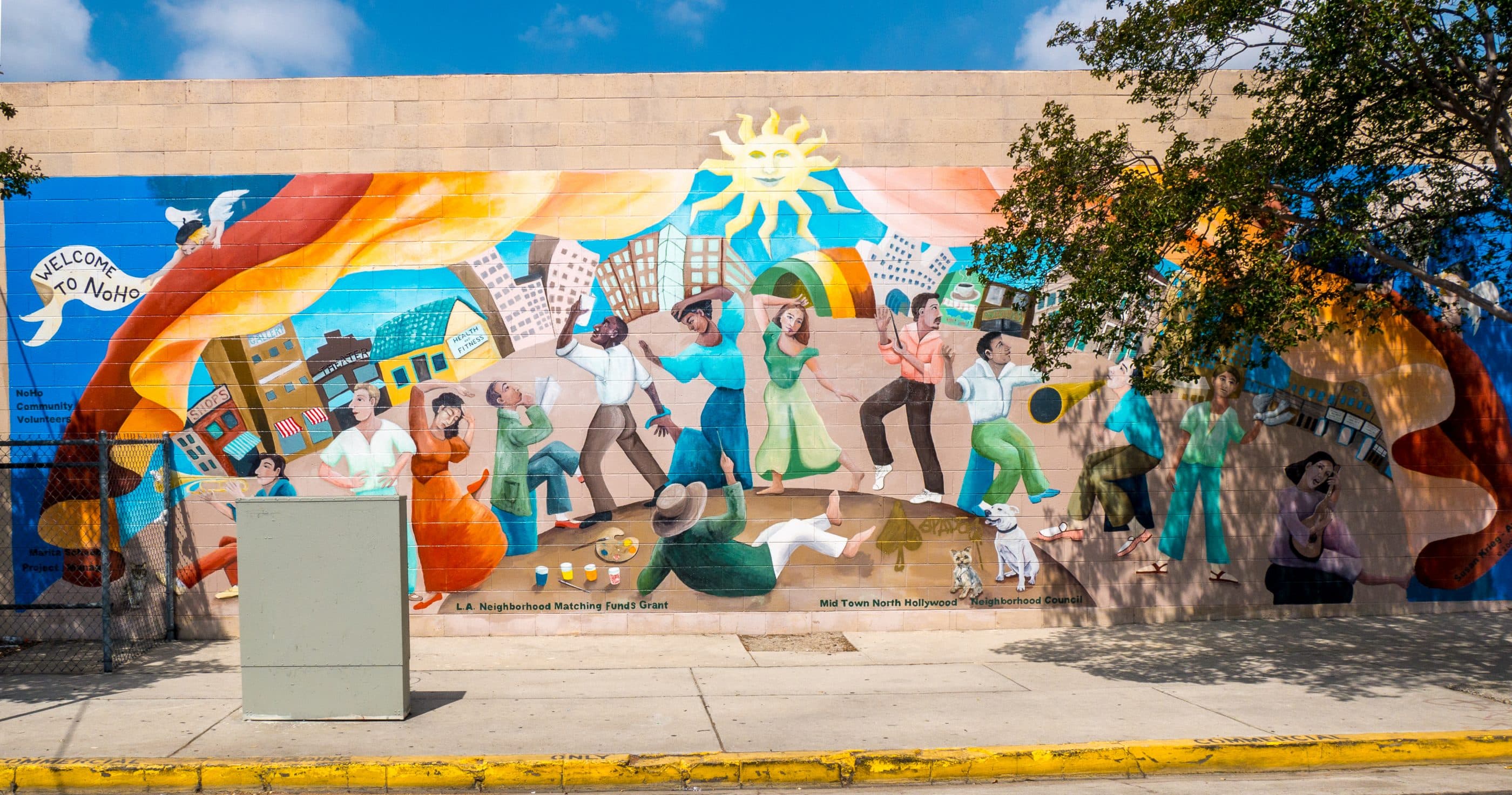
  • A large, colorful mural painted on the exterior of a building. It says "WELCOME TO NOHO" in capital letters and depicts people of different ages, genders, races, and ethnicities dancing and playing music in front of different types of housing and community buildings, including apartment buildings, a health and fitness center, a theater, and a gallery. The building is set back from a public sidewalk, and part of a tree shades the right-hand side of the mural.

    How State Coalitions Are Advancing Community Ownership of Housing

    June 19, 2026

    In recent years, housing coalitions promoting community land trusts and real estate cooperatives have formed in multiple cities and states—and they are achieving results. Nonetheless, a lot of work is needed to achieve the policy changes these groups desire.

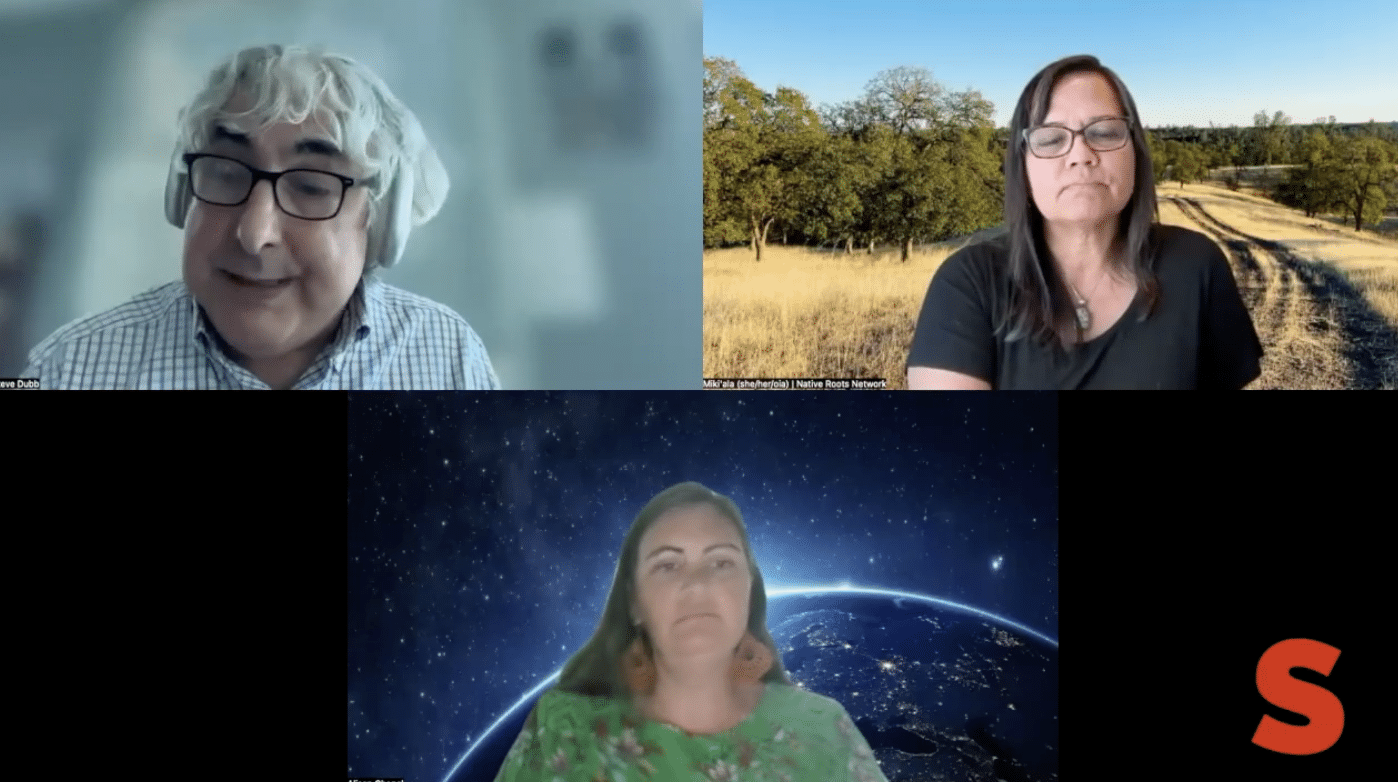
  • A webinar screenshot of three people. In the top-left corner is a white man with gray hair and dark eyebrows; he is wearing headphones, glasses, and a checkered shirt, and his background is blurred. In the top-right corner is a Hawaiian woman with dark hair; she is wearing glasses and a black t-shirt, and she is set against a screensaver of a tree-lined field. On the bottom is a white woman with brown hair; she is wearing a green floral top and large earrings, and she is set against a screensaver background of the earth viewed from space.

    What Does a Solidarity Approach to Housing Look Like? A Shelterforce Webinar

    June 10, 2026

    In this webinar, we examine what a solidarity economy approach is, what its principles are, how these principles are being applied presently, and how they might be applied more broadly to support housing justice and transformative economic change.