


Financial Well-Being
The Latest

Legacy, Stability, and the Arts: The CLT Keeping Bay Area Artists Housed
Through its bequests and aging in place program, financial education offerings, and more, Artist Space Trust works to stabilize Bay Area artists in their communities.
Explore Articles in this Topic
Search & Filter Within this Topic
filter by Content Type
filter by Date Range
search by Keyword

Colorado Wants to Give Tenants Money for Paying Rent
A new statewide program aims to help renters benefit from the value they add to the buildings they live in. Here’s how the program could work, and when it could begin.

The Role Student Debt Plays in the Racial Wealth Gap
What explains the large disparity in Black and white student debt, and what can we do to address the student debt crisis and close the racial wealth gap?
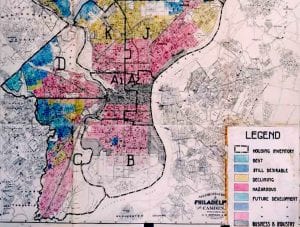
Why the Community Reinvestment Act Must Be Expanded Broadly Throughout the Financial Industry
The financial industry has been one of the main perpetrators of racial discrimination. It should be obligated to serve all communities, particularly communities of color.

Can Investing in a Community’s Growth Boost Health Outcomes?
ProMedica and LISC team up to fund place-based investments in the hope of improving health outcomes for residents. How do they do it?

Who Is Still Unbanked, And What Can We Do About it?
Seven percent of U.S. households, a group roughly the size of the population of Australia, were “unbanked” in 2015, meaning they have neither a checking nor savings account. This is the lowest unbanked rate recorded since the survey first launched in 2009
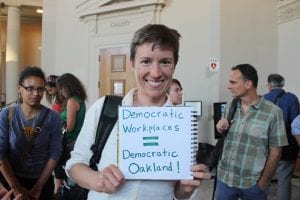
In the World of Community Wealth-Building, Ownership Has Its Privileges
What local government can do to support new, more inclusive economic models.

How Does Mobile Banking Affect the Unbanked?
The absence of bank branches and the proliferation of high-priced alternative lenders in the region only underscore the importance of access to affordable financial services.

In Pursuit of Financial Well-Being: A Conversation on Fairness, Accessibility, and Empowerment
In a world of growing financial complexity, predatory products, stagnating wages, and escalating inequality, financial insecurity is a dramatic problem. We gathered a group of leaders who are combating financial insecurity for a conversation on how it all relates.
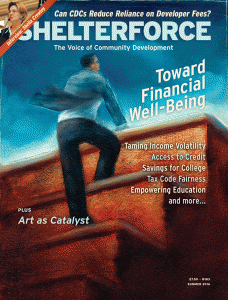
Being “Well,” Financially
What does it take to achieve financial security for the millions of American households without it? Clearly full employment, higher wages, and a more robust safety net would be some major components. But as important as those are, they aren’t the full picture. Assets are an important counterweight to income.
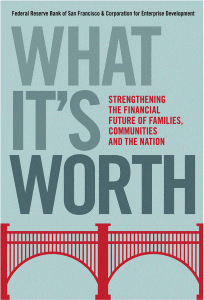
Well Worth the Read
Reading What It’s Worth was like walking through one of the glorious Asset Learning Conferences that CFED organizes, equipped with a magical Harry Potter wand that allows me to stop and re-work time so I can peer into each workshop at my leisure.
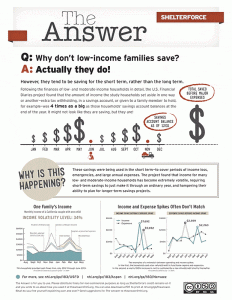
Q: Why Don’t Low-income Families Save?
A. Actually they do! However, they tend to be saving for the short term, rather than the long term.
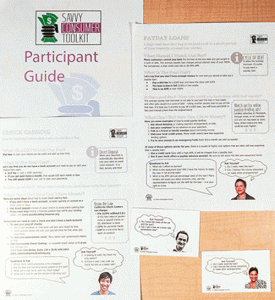
Why Financial Education Should Get Political
Financial curricula for low-income households often focus on personal choices about budgeting and saving, but if they don’t also address systemic problems, exploitation, and discrimination, they aren’t speaking to their audience’s reality.