


Fair Housing
The Latest

When the Feds Step Back on Fair Housing, Can States Step Up?
It's not new for states and localities to have their own fair housing and community reinvestment measures—but as the federal government backs away from enforcement, their versions may become more important.
Explore Articles in this Topic
Search & Filter Within this Topic
filter by Content Type
filter by Date Range
search by Keyword
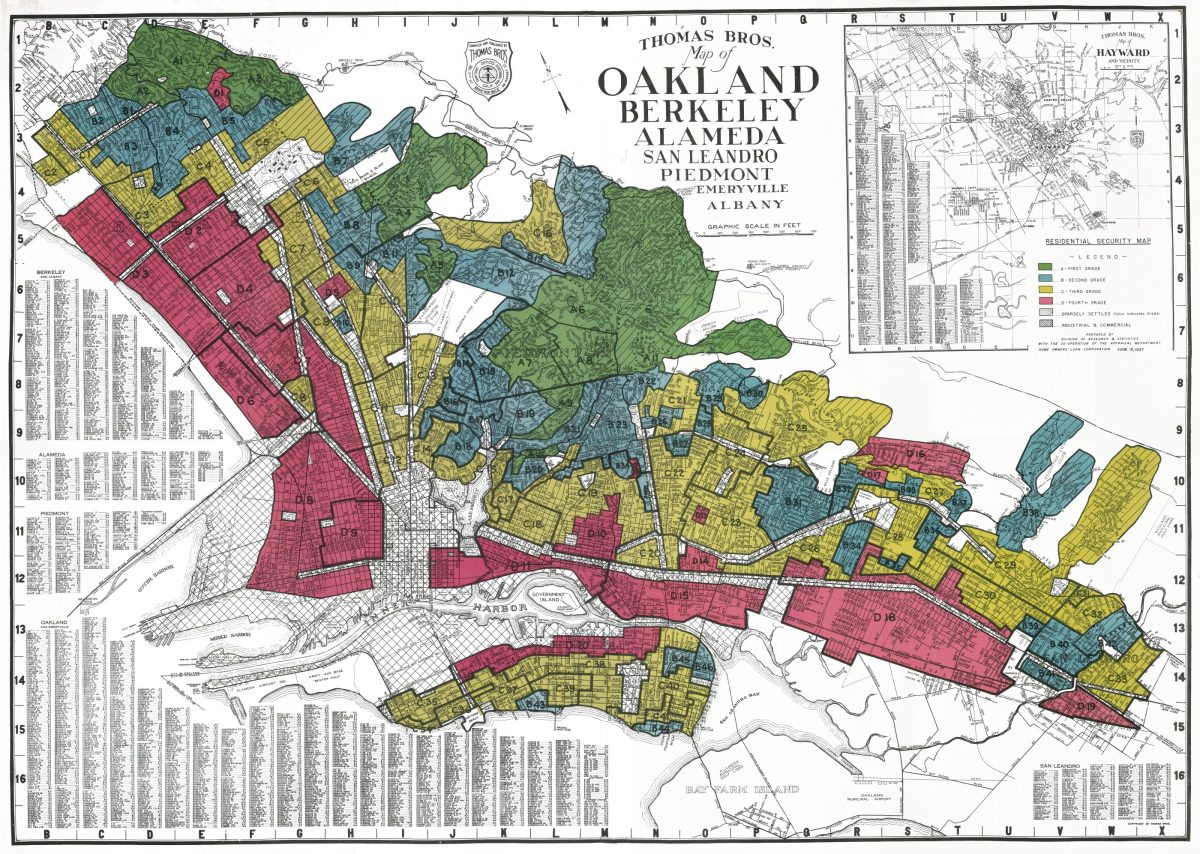
Redlining Maps Didn’t Affect Neighborhoods the Way You Think They Did
Home Owners’ Loan Corporation maps have long been blamed for racial inequities in today’s Black neighborhoods, but recent research shows that’s misleading.
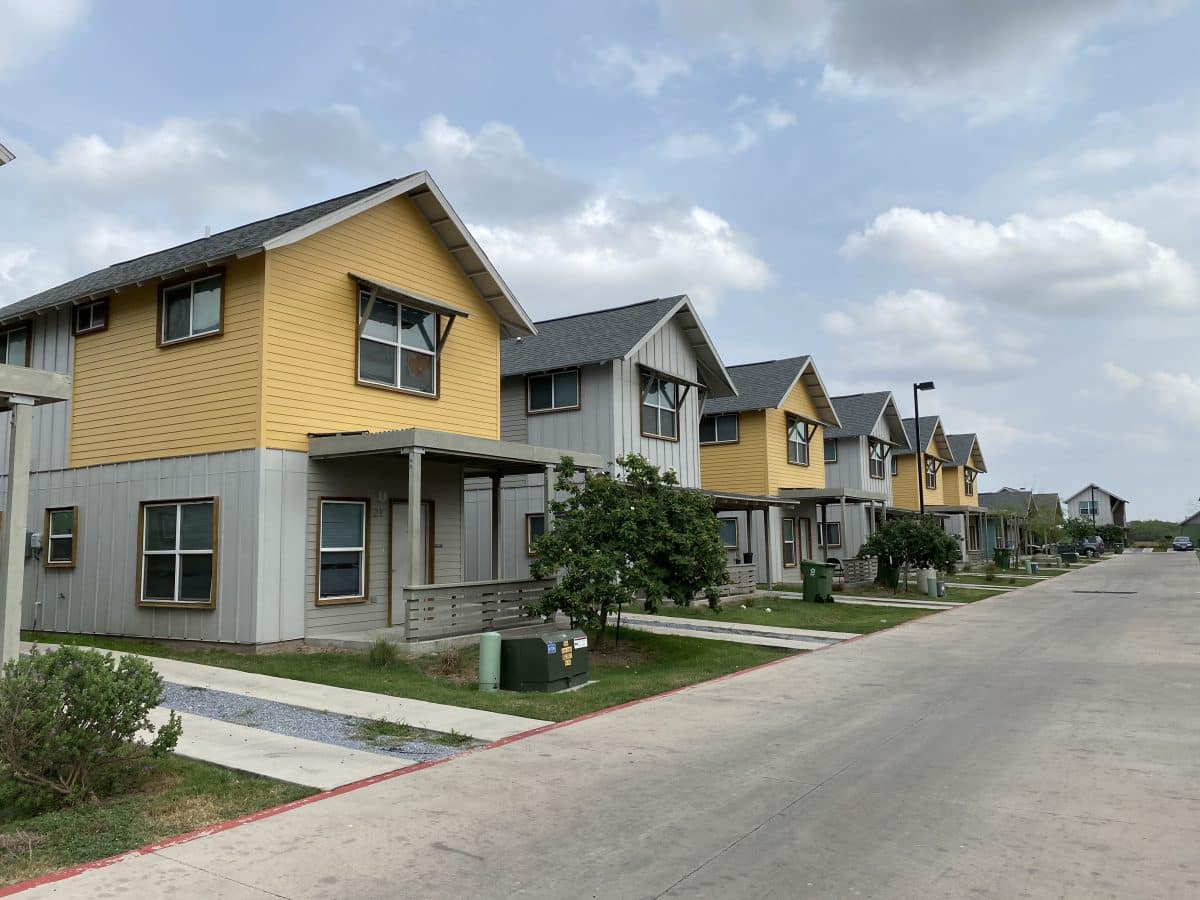
Soaring Property Insurance Rates Threaten Affordable Housing Development
Rapidly rising insurance premiums are forcing affordable housing developers to cut back on programming, lay off staff, and even sell. To add insult to injury, some insurers also seem to be adding penalties or withdrawing coverage for housing voucher holders.

LIHTC: Are Little Changes Enough? A Shelterforce Webinar
There are reforms and expansions of Low-Income Housing Tax Credit afoot. But some in the field argue that we need to change the tax credit model of financing housing more deeply—or move away from it entirely. Join scholars and organizers as they discuss these issues and explore a path forward.

Meet Me at the Intersection of Housing, with Guest Lisa Rice
The president and CEO of the National Fair Housing Alliance talks with Shelterforce about new challenges in the affordable housing landscape, the role of AI in promoting fair housing, and powerful tools driving the fight for housing justice.

All New Homes Should Be Accessible
Because so many old buildings are hard to fully retrofit, new homes need to fill in the gap.

Why Aren’t Homeless Shelters Accommodating People Who Have Disabilities?
With homelessness on the rise, the U.S. shelter system is ill-equipped to accommodate disabled occupants.

Which U.S. Laws Require Accessibility in Housing—And How Well Do They Do?
Activists have been fighting for decades to expand accessible housing for disabled residents. They’ve made progress, but say that current regulations and enforcement don’t go far enough.

Disability Justice and Equity in Housing
Welcome to Shelterforce’s newest Under the Lens series, Not Just Ramps—Disability and Housing Justice. This introductory article lays out why the connection between disability and affordable housing is so strong, and why it’s so important for housers to understand.

Proposed AFFH Rule Doesn’t Address Renters Directly—But It Should
Renters’ rights are fair housing rights. Before publishing a final Affirmatively Furthering Fair Housing rule, HUD must specifically address the needs of renters. Here’s how.

Three Ways AFFH Has Advanced Housing Justice
Grassroots organizers have used the Affirmatively Furthering Fair Housing rule to strengthen communities in the past. These examples show what we should advocate for in a new AFFH rule.

Public Housing Must Be a Part of Fair Housing Planning
Because their programs provide the most deeply affordable housing in the country, public housing authorities should be both supported in improving fair housing outcomes and held to account when they fall short.

Why Oregon Created Its Own AFFH Rule
For more than a decade, fair housing advocates in the Beaver State had been looking for ways to connect housing and land use planning to promote the affirmatively furthering fair housing rule. Here’s how Oregon created its own state-level policy, and what’s to come.