homeless people

Community Development Field

The Week in Community Development—July 12

San Francisco's Next-Level Homelessness Crisis | Florida's Poll Tax | More...

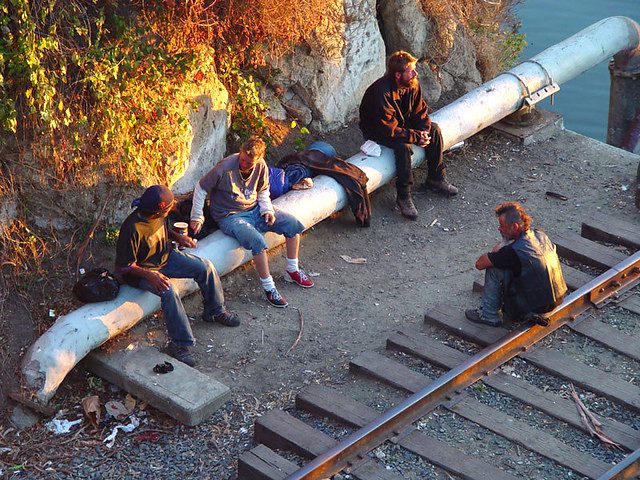
Photo credit: Franco Folini via flickr, CC BY-SA 2.0

homeless people

homeless people

Photo credit: Franco Folini via flickr, CC BY-SA 2.0

We’re not sure what the level after ‘crisis’ is, but it seems San Francisco’s homeless situation qualifies that it be raised. A San Francisco Chronicle article reports that the city’s preliminary homeless count—showing a 17 percent increase—was not great, but was better than some neighboring counties. It turns out that the final count, had it been carried out in a way similar to previous years, would have shown a more accurate increase—of 30 percent. A newly adopted count does not include certain groups, like people who were in jail or the hospital at the time of the count.

Be prepared: ICE raids are expected to begin this Sunday in major cities across the country. We thought it’d be a good idea to share this story again, especially if you own or manage affordable housing in major cities. It’ll show you what you should do if ICE shows up at your doorstep looking for someone, and what other organizations are doing. Do you have protocols in place for your staff?

Last week, Shelter Shorts highlighted that the once-prohibited (and currently-repugnant) practice of ‘convict leasing’ was being utilized by some states that have been hit hard by the administration’s immigration crackdown. To further carry us back through time to the pre-Civil Rights era, Florida has brought back the poll tax. The legislature’s bill, which Governor DeSantis signed into law late last month, requires that people pay all court fees and fines that they incurred with a conviction, or lose their right to vote. The ACLU is fighting back and arguing the law’s illegality, especially because it goes against Amendment 4, a ballot initiative that the people of Florida passed, restoring voting rights to over one million Floridians.

What we’re reading: this Next City article about how more foundations are going beyond grantmaking to advance racial equity, and truly putting their money where their mouth is

  • A small white house made out of paper sits atop a pile of silver coins.

    Affordable Housing Financing Is Overpriced, But It Doesn’t Have to Be

    June 30, 2026

    Affordable housing construction finance reflects market norms, but its track record shows it’s far less risky than conventional market-rate housing loans. While lower default rates should lead to lower interest rates, they currently do not.

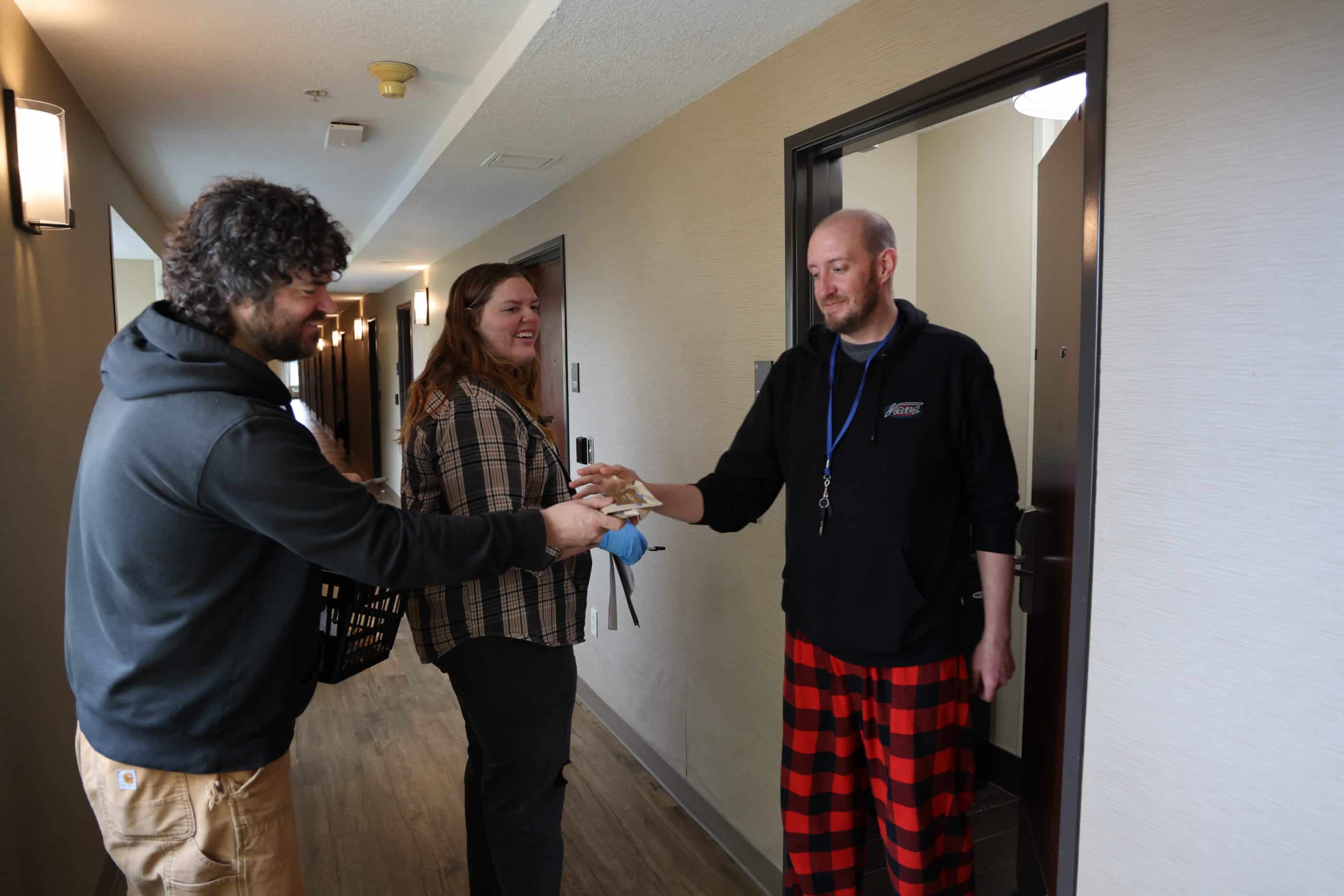
  • A white man with curly hair and a short beard, wearing a black sweatshirt and tan Carhartt pants, hands supplies to a white man with a close-shaved head and short beard, wearing a black Vans sweatshirt, and checkered red-and-black pajama pants. They are standing in the interior doorway of an apartment in what appears to be a residential building. A white woman with strawberry-blonde hair, wearing a checkered shirt and dark pants, stands behind them, holding a pen and papers in her hands.

    Unsupported Housing: When Stability Isn’t Enough

    June 16, 2026

    As the country’s mental health, substance use, homelessness, and affordability crises collide, traditional affordable housing providers say they’re being pushed to fill the gaps left by underfunded supportive systems—without the money, staff, or resources to do so.

  • A webinar screenshot of three people. In the top-left corner is a white man with gray hair and dark eyebrows; he is wearing headphones, glasses, and a checkered shirt, and his background is blurred. In the top-right corner is a Hawaiian woman with dark hair; she is wearing glasses and a black t-shirt, and she is set against a screensaver of a tree-lined field. On the bottom is a white woman with brown hair; she is wearing a green floral top and large earrings, and she is set against a screensaver background of the earth viewed from space.

    What Does a Solidarity Approach to Housing Look Like? A Shelterforce Webinar

    June 10, 2026

    In this webinar, we examine what a solidarity economy approach is, what its principles are, how these principles are being applied presently, and how they might be applied more broadly to support housing justice and transformative economic change.