



 The most important part of The Atlantic Cities' piece, “Has Germany Figured Out the Way To Keep Rents Affordable?“ isn't whether Germany has figured out the way to keep rents affordable, it's why they care about keeping rents affordable.
As described in the piece, rents in German cities have been on the rise, causing evictions for longstanding tenants. It's also created a situation where aging tenants who want to move into a smaller unit can't because it's more expensive than their current rate, reducing the availability of larger apartments for the people that need them.
But when the German government recognized this problem, something unusual happened—they stepped in and made new rules:
“In Germany's three largest cities—Berlin, Hamburg and Munich—landlords will not be able to charge more than 10 percent of the average rent for comparable housing in the area. Instead of the usual 20 percent cap, rents must rise by no more than 15 percent in three years, with the rise-free first year kept in place. Some smaller changes are also afoot. From now on, real estate agents' finder's fees must be paid by landlords, not tenants – previously they could cost renters up to around six weeks rent. And while landlords are currently allowed to add 11 percent of any renovation costs to their tenants' rental bill, now they will be allowed to add a very slightly smaller 10 percent”
I don't know if this answers the question posed in the title of the piece, but the article's author, Feargus O'Sullivan realizes it's not the rules themselves that's most critical to keeping rents affordable, it's the mindset in Germany. He writes, ”[There's a] tentative national consensus that housing is an essential public resource first, a speculative good second.”
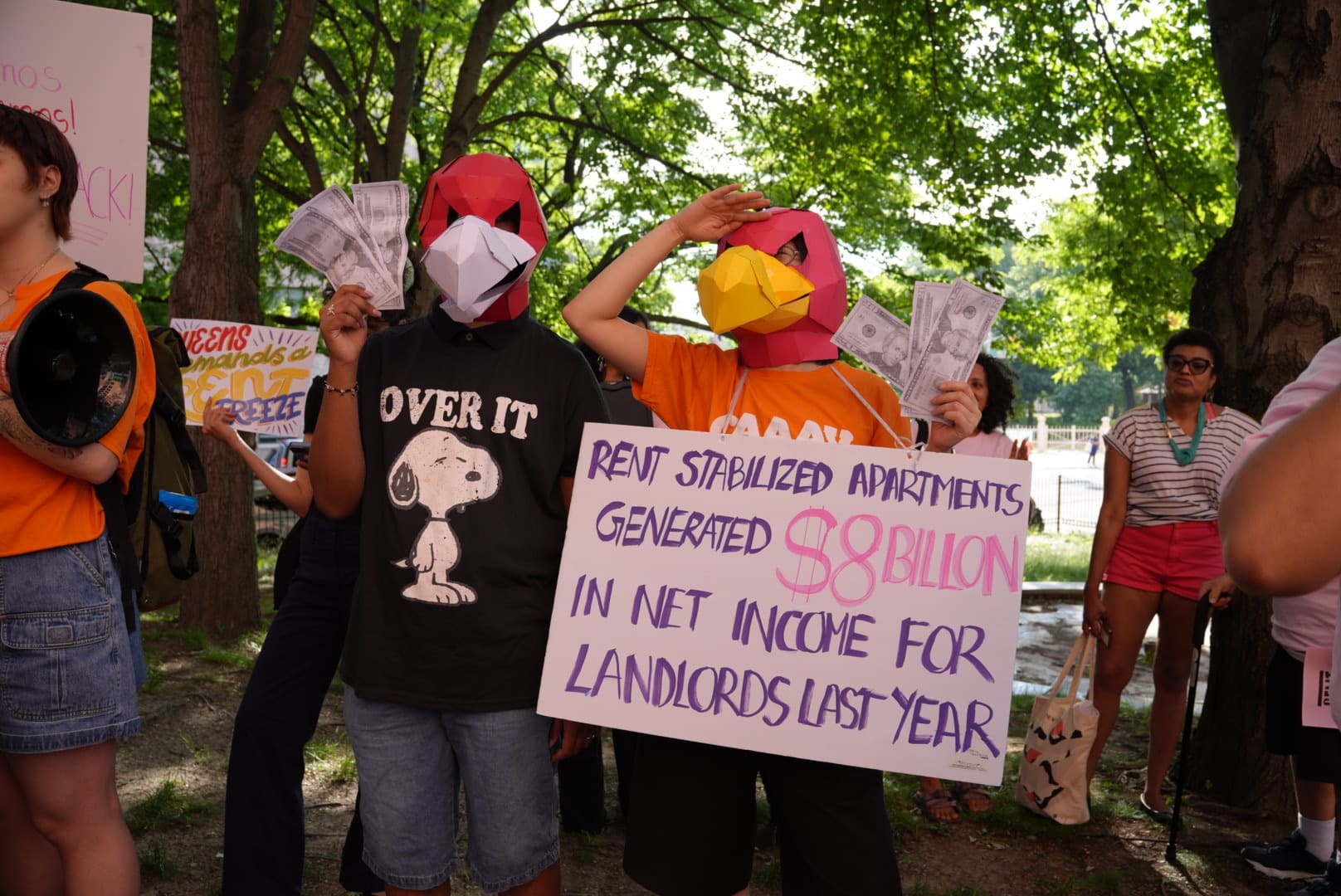
Said another way: Housing for people, not for profit,
As Chester Hartman wrote in 2006, the need for a Right to Housing has not been accepted by the political powers, and without that, it's unlikely the holes of in the current solutions for solving the problem of affordability in this country would ever be filled in.
About the Author


Comments