Organizing

Stops For Us

In the winter 2010 issue of Shelterforce, we published an article, Organizing for Inclusive TOD that looked at various transit and transit oriented development projects around the country, and how […]

In the winter 2010 issue of Shelterforce, we published an article, Organizing for Inclusive TOD that looked at various transit and transit oriented development projects around the country, and how organizing helped shape those projects, providing either affordable housing or rail service to communities that were not included in the original blueprints.

From the Bay Area to New Jersey to Atlanta, we saw how effective organizing changed once-abstract plans into designs specifically tailored to the needs of the community, but there was one item that stood out: the Stops For Us campaign in the Twin Cities. There, community groups in one low-income neighborhood had to fight to not be skipped over by transit entirely.

“The goal of the $941 million Central Corridor Light Rail Transit (LRT) in Minneapolis and St. Paul is to connect the downtowns of the Twin Cities, moving people within a corridor that already has a high density of residents and jobs. The idea is less to focus on getting between St. Paul and Minneapolis fast than to encourage greater, more intense mixed-use development along the corridor.”

But three pivotal stops in historically low-income neighborhoods were omitted from original plans. In the Summer 2011 issue of Shelterforce, Tracy Babler, development and communications director of the Alliance for Metropolitan Stability, reports on Stops For Us, a coalition that pushed strongly for the inclusion of the three LRT stops:

“Although plans had been in the works since the 1980s, broad community interest in the Central Corridor was piqued when the line’s alignment and planned stations were announced in 2006. Notably absent were three stations that had been part of earlier concept designs. The now-missing stations were all in the eastern University Avenue section, where the largest populations of low-income people and people of color lived and where bus lines were both heavily used and few and far between.”

So what began as a piece of a broader look at inclusive TOD projects turned into a deep look at how a broad spectrum of community groups, all equipped with their own interests, came together for the purpose of providing rail service to an overlooked community (and they convinced the federal government to change its funding rules, to boot).

Read the article here.

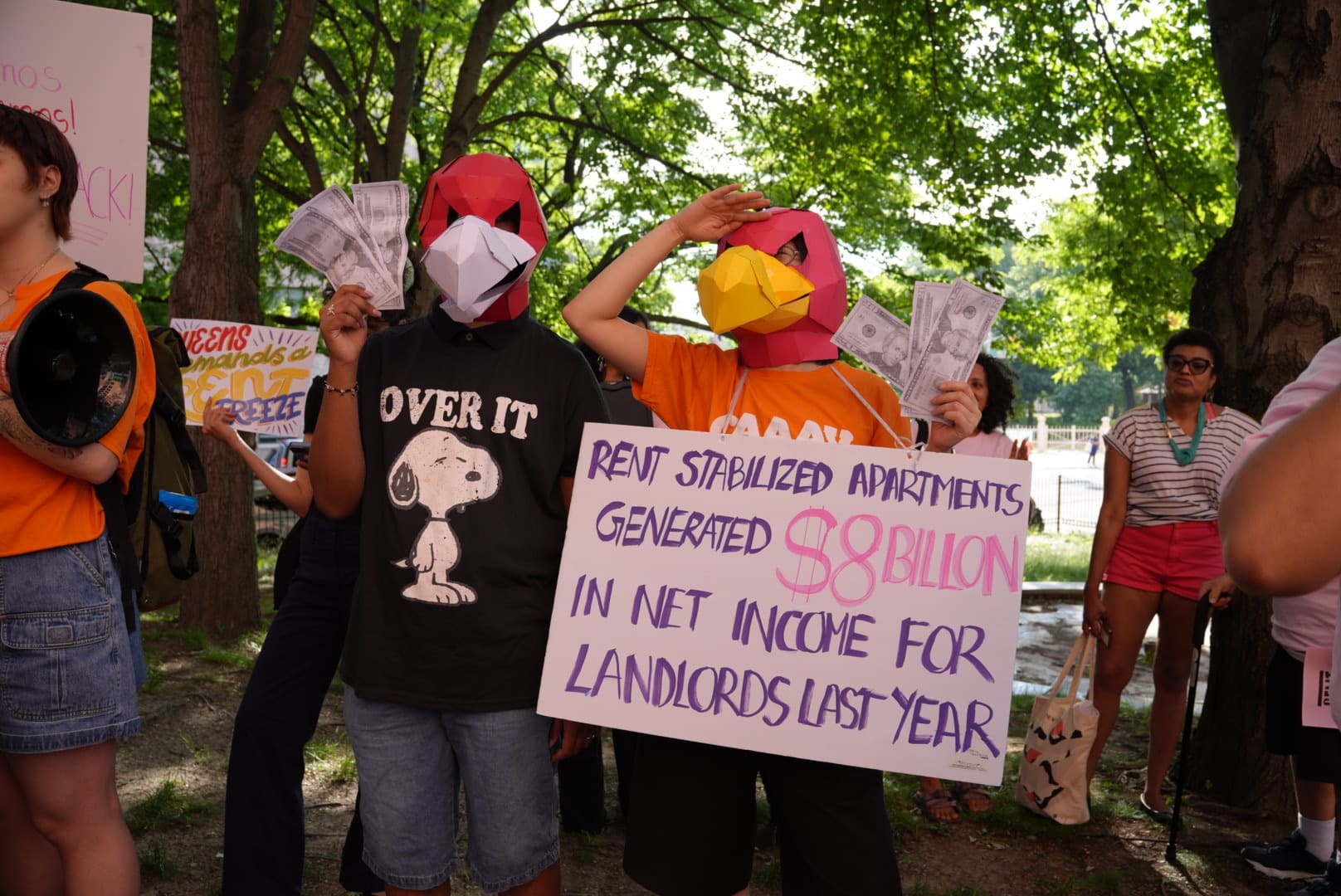
  • Two people with paper bird masks hold dollar bills. One wears a sign that says "Rent stabilized apartments generated  billion in net income for landlords last year."

    Are NYC’s Rent-Stabilized Buildings Really in Crisis?

    June 24, 2026

    A two-year rent freeze, affecting about 1 million rent-stabilized apartments in New York, was just approved. Before the freeze passed, landlords said their buildings wouldn’t survive it. But recent analyses suggest the real culprit behind distressed buildings is predatory equity, not rent stabilization.

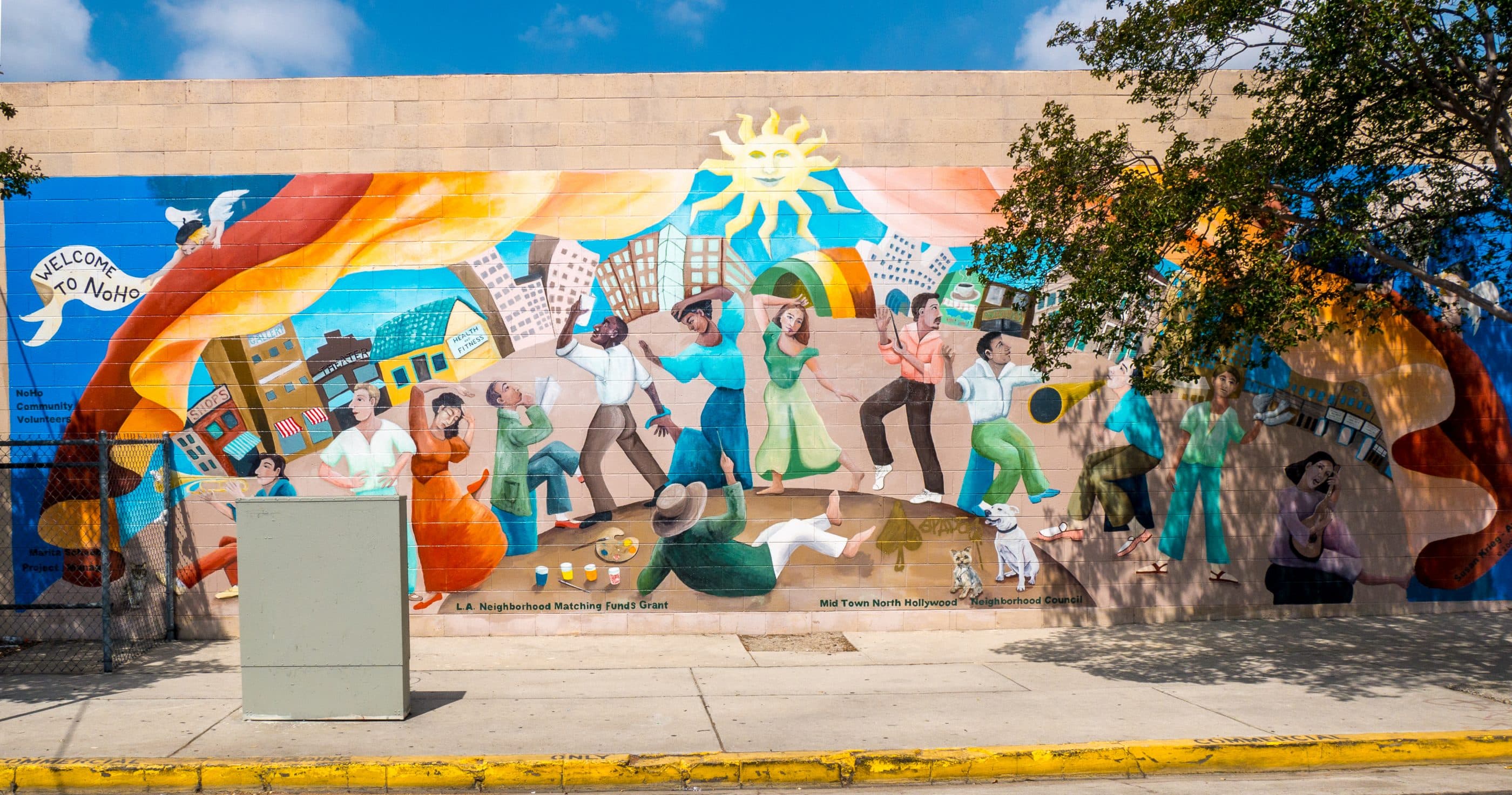
  • A large, colorful mural painted on the exterior of a building. It says "WELCOME TO NOHO" in capital letters and depicts people of different ages, genders, races, and ethnicities dancing and playing music in front of different types of housing and community buildings, including apartment buildings, a health and fitness center, a theater, and a gallery. The building is set back from a public sidewalk, and part of a tree shades the right-hand side of the mural.

    How State Coalitions Are Advancing Community Ownership of Housing

    June 19, 2026

    In recent years, housing coalitions promoting community land trusts and real estate cooperatives have formed in multiple cities and states—and they are achieving results. Nonetheless, a lot of work is needed to achieve the policy changes these groups desire.

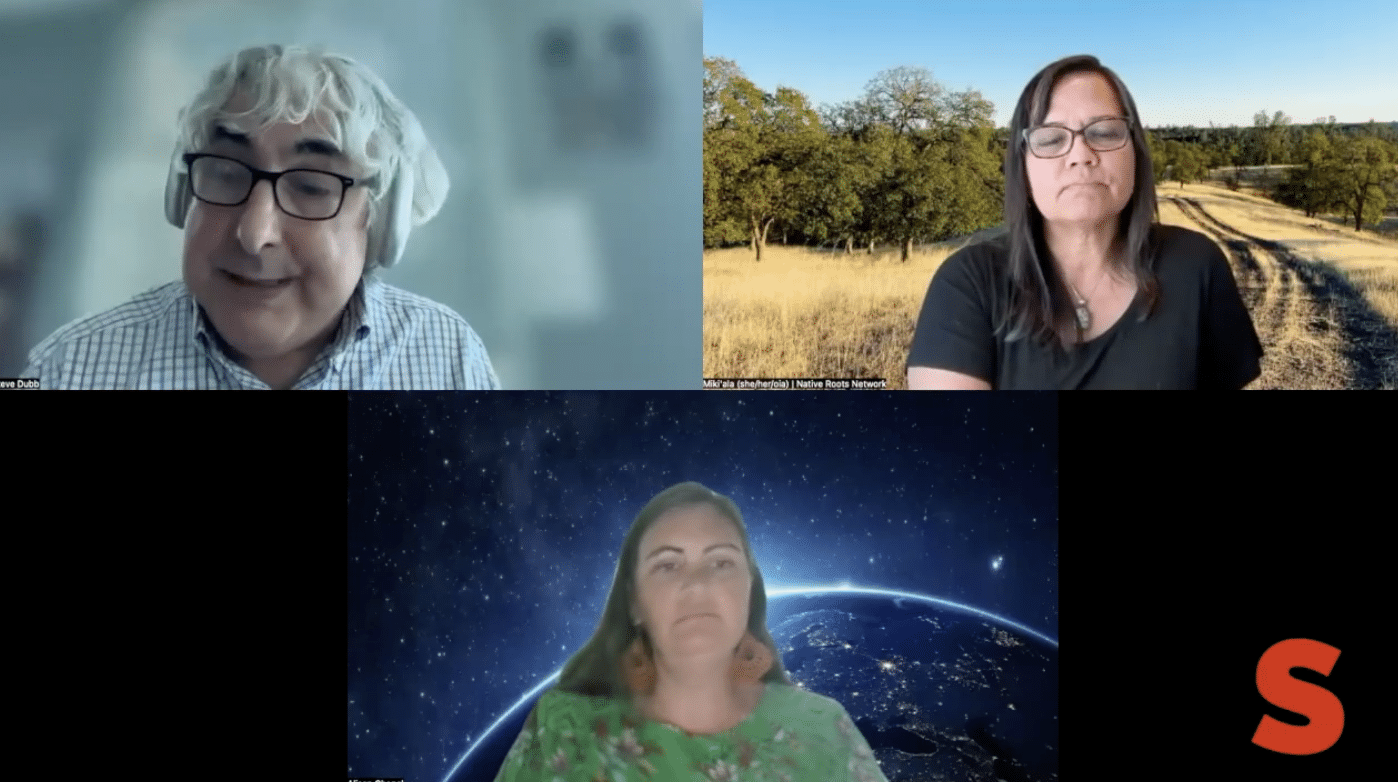
  • A webinar screenshot of three people. In the top-left corner is a white man with gray hair and dark eyebrows; he is wearing headphones, glasses, and a checkered shirt, and his background is blurred. In the top-right corner is a Hawaiian woman with dark hair; she is wearing glasses and a black t-shirt, and she is set against a screensaver of a tree-lined field. On the bottom is a white woman with brown hair; she is wearing a green floral top and large earrings, and she is set against a screensaver background of the earth viewed from space.

    What Does a Solidarity Approach to Housing Look Like? A Shelterforce Webinar

    June 10, 2026

    In this webinar, we examine what a solidarity economy approach is, what its principles are, how these principles are being applied presently, and how they might be applied more broadly to support housing justice and transformative economic change.