Housing

Good News—New York State Style

New York state has been described as having the most dysfunctional legislature in the country. Gerrymandering that keeps the houses continually in the hands of opposing parties, and rules that […]

New York state has been described as having the most dysfunctional legislature in the country. Gerrymandering that keeps the houses continually in the hands of opposing parties, and rules that give far too much power to the “three men in a room” (governor, assembly speaker, senate majority leader) can make it feel impossible to get anything done.

And indeed, plenty of things didn’t happen this session, including passing accountable development reforms to the state’s industrial development authorities — something that had been a high hope of labor and urban advocates.

But a few things of interest to sustainable communities and healthy cities did make it through both the Assembly and Senate, thanks to the leadership of Assemblyman Sam Hoyt of Buffalo:

  • Clarification that certain highway funds can in fact be spent on bike paths and pedestrian improvements.
  • Establishment of a set of smart growth principles, with the direction that state agencies implement them in all their grantmaking and decisionmaking (whether this means anything will, of course be entirely in the implementation).

And last but certainly not least:

  • The ability to create county-level land banks. This will provide a powerful tool for a few counties to manage the tide of abandoned properties and reduce some of the negative effects of the foreclosure crisis. But we better hope they do it well, because the compromise that got the legislation passed only allows for three (yes, three) to be created. Apparently, those maverick land banks are going to have to prove their worth before they are allowed to run rampant across the state.

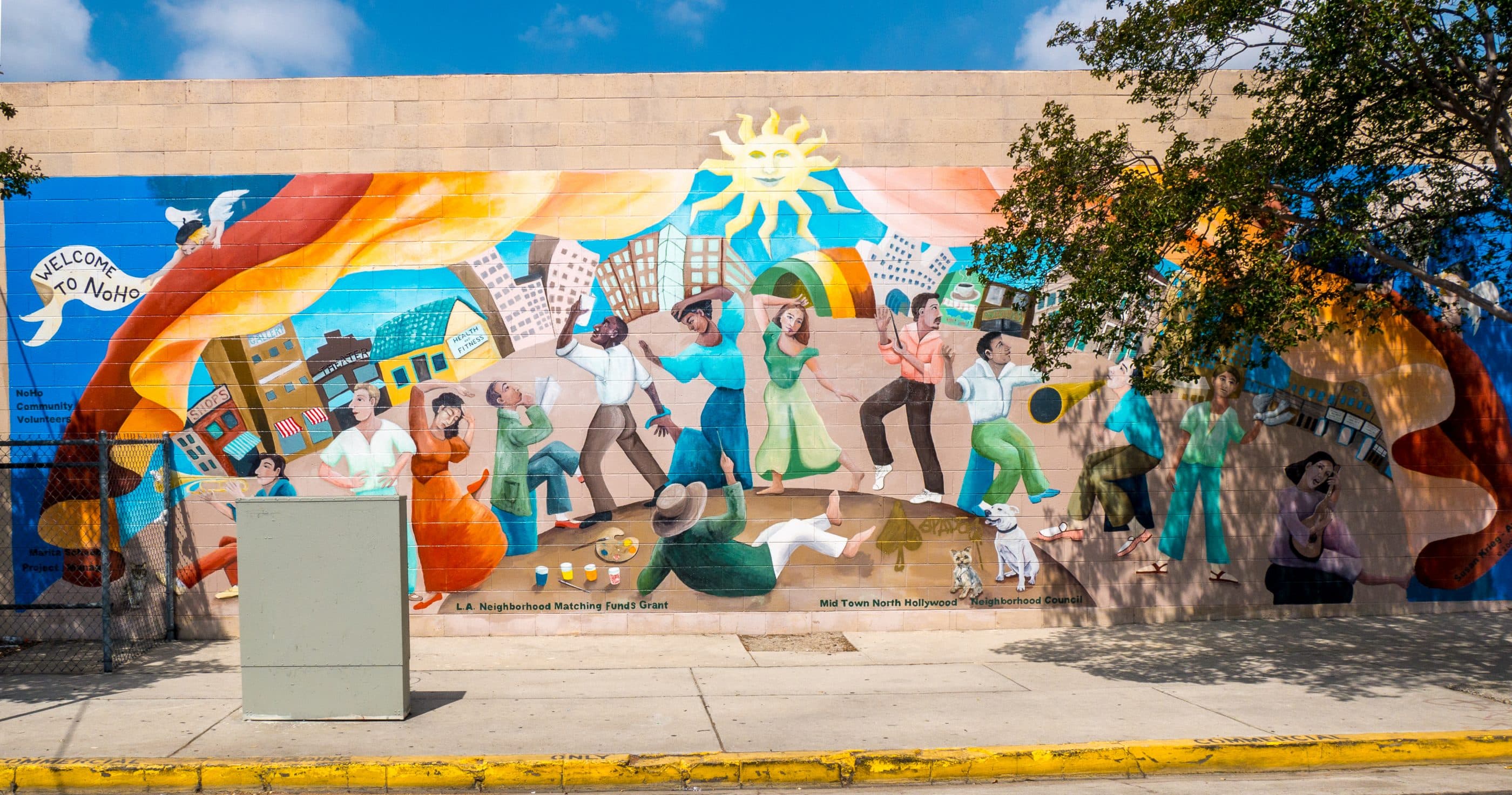
  • A large, colorful mural painted on the exterior of a building. It says "WELCOME TO NOHO" in capital letters and depicts people of different ages, genders, races, and ethnicities dancing and playing music in front of different types of housing and community buildings, including apartment buildings, a health and fitness center, a theater, and a gallery. The building is set back from a public sidewalk, and part of a tree shades the right-hand side of the mural.

    How State Coalitions Are Advancing Community Ownership of Housing

    June 19, 2026

    In recent years, housing coalitions promoting community land trusts and real estate cooperatives have formed in multiple cities and states—and they are achieving results. Nonetheless, a lot of work is needed to achieve the policy changes these groups desire.

  • A white man with gray hair, wearing a black puffer jacket, stands on a dock overlooking a body of water bordered by tall trees. He points into the distance with his right arm.

    How a Data Center Derailed $240,000 for Affordable Housing in Rural Maine

    June 18, 2026

    In rural Midcoast Maine, nearly one-quarter of $1 million in federal money earmarked for housing was rescinded from a small town after local officials sought to use the funds for a data center.

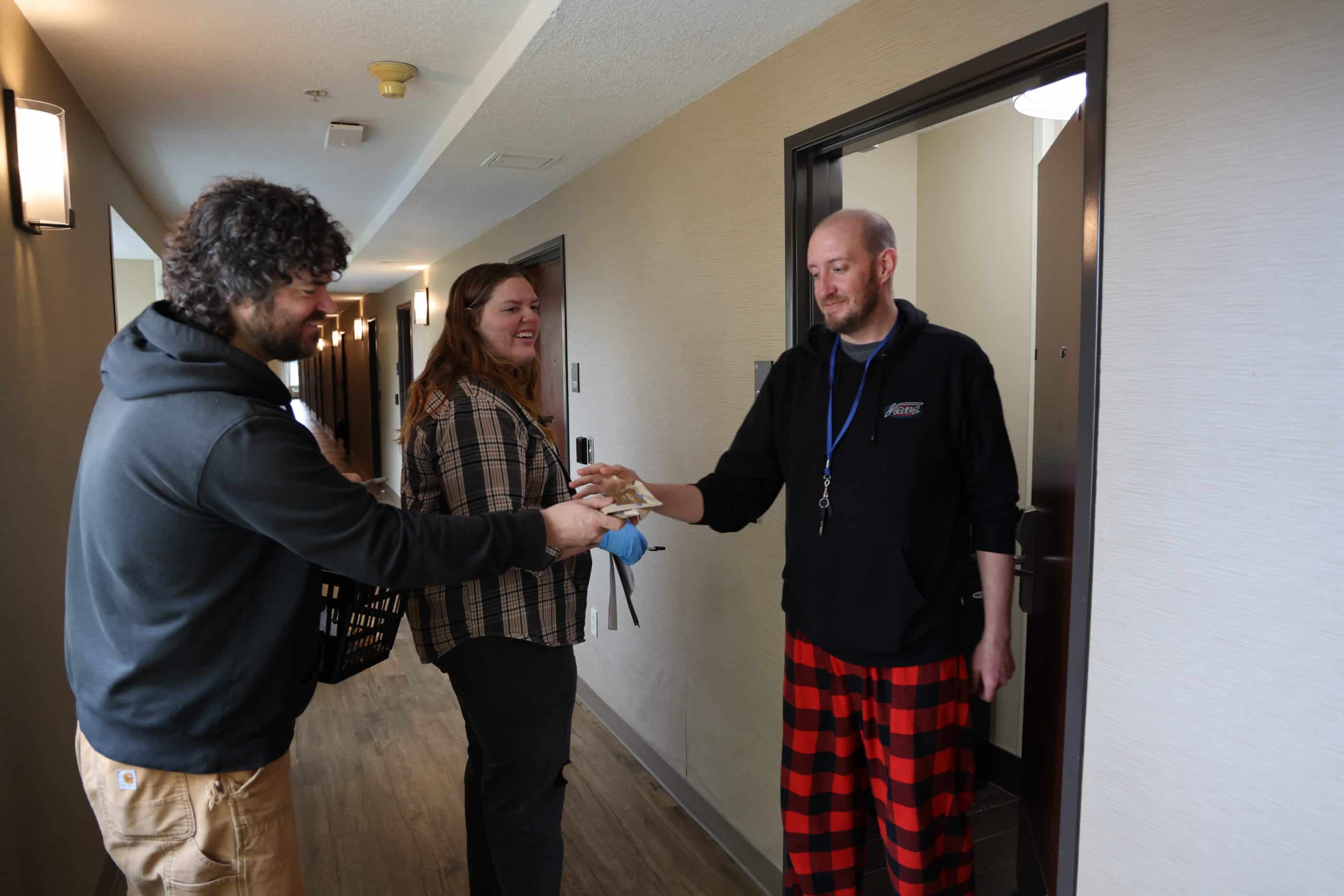
  • A white man with curly hair and a short beard, wearing a black sweatshirt and tan Carhartt pants, hands supplies to a white man with a close-shaved head and short beard, wearing a black Vans sweatshirt, and checkered red-and-black pajama pants. They are standing in the interior doorway of an apartment in what appears to be a residential building. A white woman with strawberry-blonde hair, wearing a checkered shirt and dark pants, stands behind them, holding a pen and papers in her hands.

    Unsupported Housing: When Stability Isn’t Enough

    June 16, 2026

    As the country’s mental health, substance use, homelessness, and affordability crises collide, traditional affordable housing providers say they’re being pushed to fill the gaps left by underfunded supportive systems—without the money, staff, or resources to do so.