Housing

Massachusetts is watching

Given the interesting but not widely known fact that foreclosure rates in the current crisis are lower in neighborhoods with a larger percentage of CRA-regulated institutions, it’s promising to see […]

Given the interesting but not widely known fact that foreclosure rates in the current crisis are lower in neighborhoods with a larger percentage of CRA-regulated institutions, it’s promising to see Massachusetts using a bit of its banking regulatory powers in an attempt to mitigate the crisis.

In short, Mass. is adding an evaluation criterion to its state licensing procedure — how many loans have you been willing to modify or restructure to save them from foreclosure?

It’s imperfect, as many of those loans have been sold (still, perhaps this will inspire think some of these servicers to collectively do more to lean on investors), and it doesn’t apply to servicers who aren’t lenders or to federally regulated banks. The state estimates this means it will apply to 30 percent of companies that collect loans in the Bay State. Not nothing at least.

Is there a snowball’s chance in hell of getting something like this going at the federal level? Or at least making it a movement throughout a lot of states?

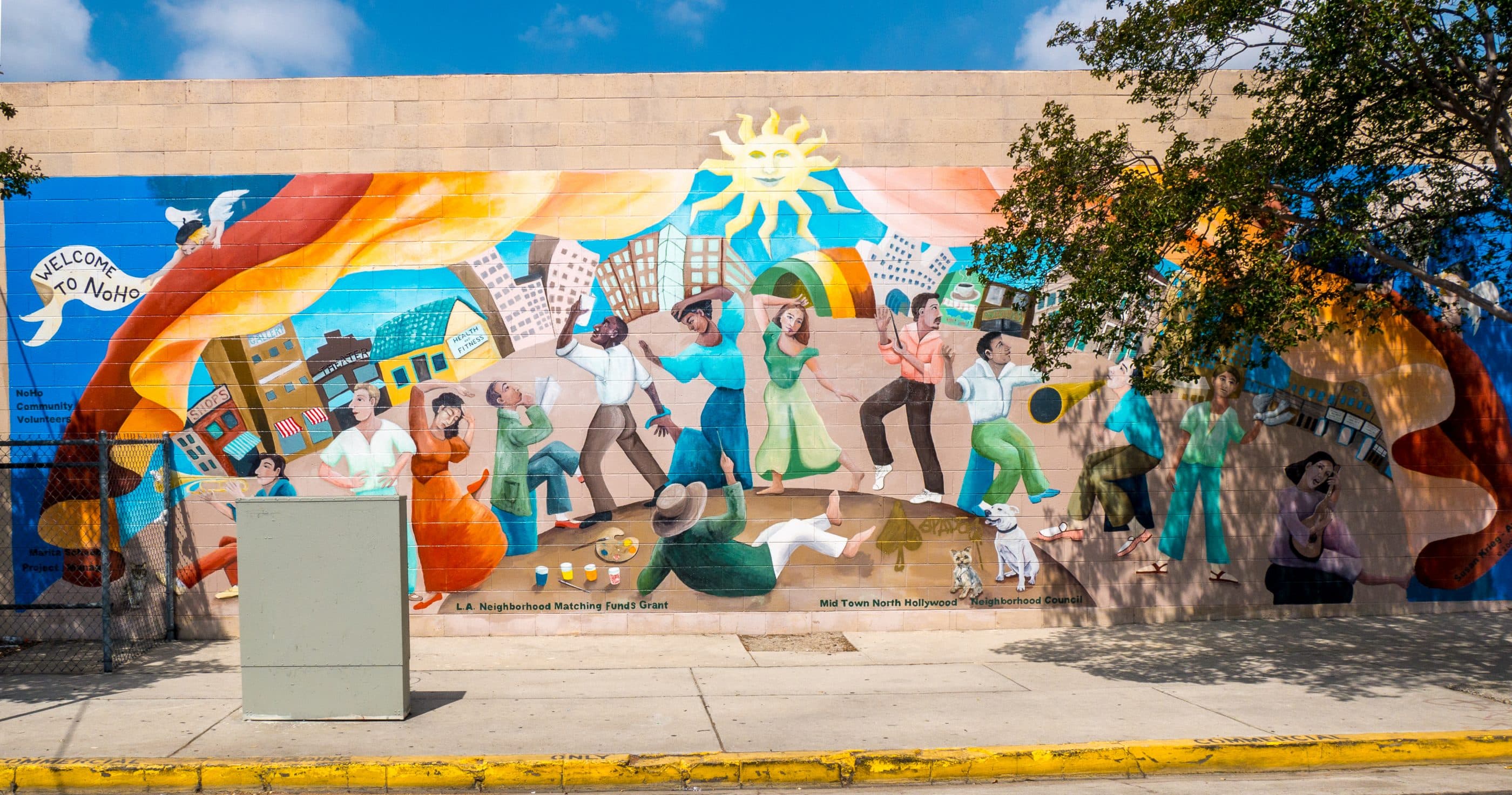
  • A large, colorful mural painted on the exterior of a building. It says "WELCOME TO NOHO" in capital letters and depicts people of different ages, genders, races, and ethnicities dancing and playing music in front of different types of housing and community buildings, including apartment buildings, a health and fitness center, a theater, and a gallery. The building is set back from a public sidewalk, and part of a tree shades the right-hand side of the mural.

    How State Coalitions Are Advancing Community Ownership of Housing

    June 19, 2026

    In recent years, housing coalitions promoting community land trusts and real estate cooperatives have formed in multiple cities and states—and they are achieving results. Nonetheless, a lot of work is needed to achieve the policy changes these groups desire.

  • A white man with gray hair, wearing a black puffer jacket, stands on a dock overlooking a body of water bordered by tall trees. He points into the distance with his right arm.

    How a Data Center Derailed $240,000 for Affordable Housing in Rural Maine

    June 18, 2026

    In rural Midcoast Maine, nearly one-quarter of $1 million in federal money earmarked for housing was rescinded from a small town after local officials sought to use the funds for a data center.

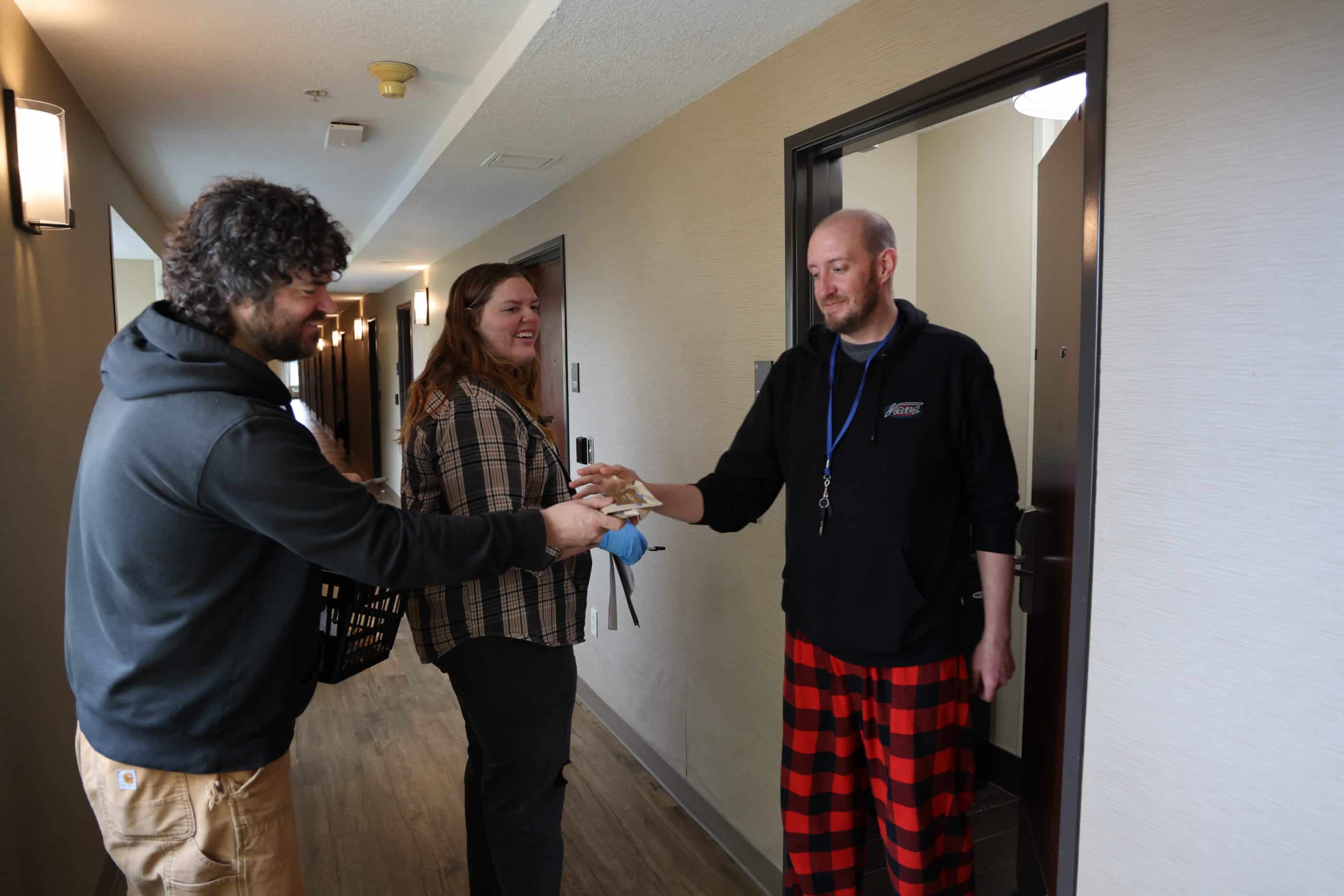
  • A white man with curly hair and a short beard, wearing a black sweatshirt and tan Carhartt pants, hands supplies to a white man with a close-shaved head and short beard, wearing a black Vans sweatshirt, and checkered red-and-black pajama pants. They are standing in the interior doorway of an apartment in what appears to be a residential building. A white woman with strawberry-blonde hair, wearing a checkered shirt and dark pants, stands behind them, holding a pen and papers in her hands.

    Unsupported Housing: When Stability Isn’t Enough

    June 16, 2026

    As the country’s mental health, substance use, homelessness, and affordability crises collide, traditional affordable housing providers say they’re being pushed to fill the gaps left by underfunded supportive systems—without the money, staff, or resources to do so.