



Topic
Policy
The rules of the game—and the attitudes of the players—have an enormous effect on community development work at all levels. Here we look at some of the conversations about how to shift that policy for the better.
The Latest
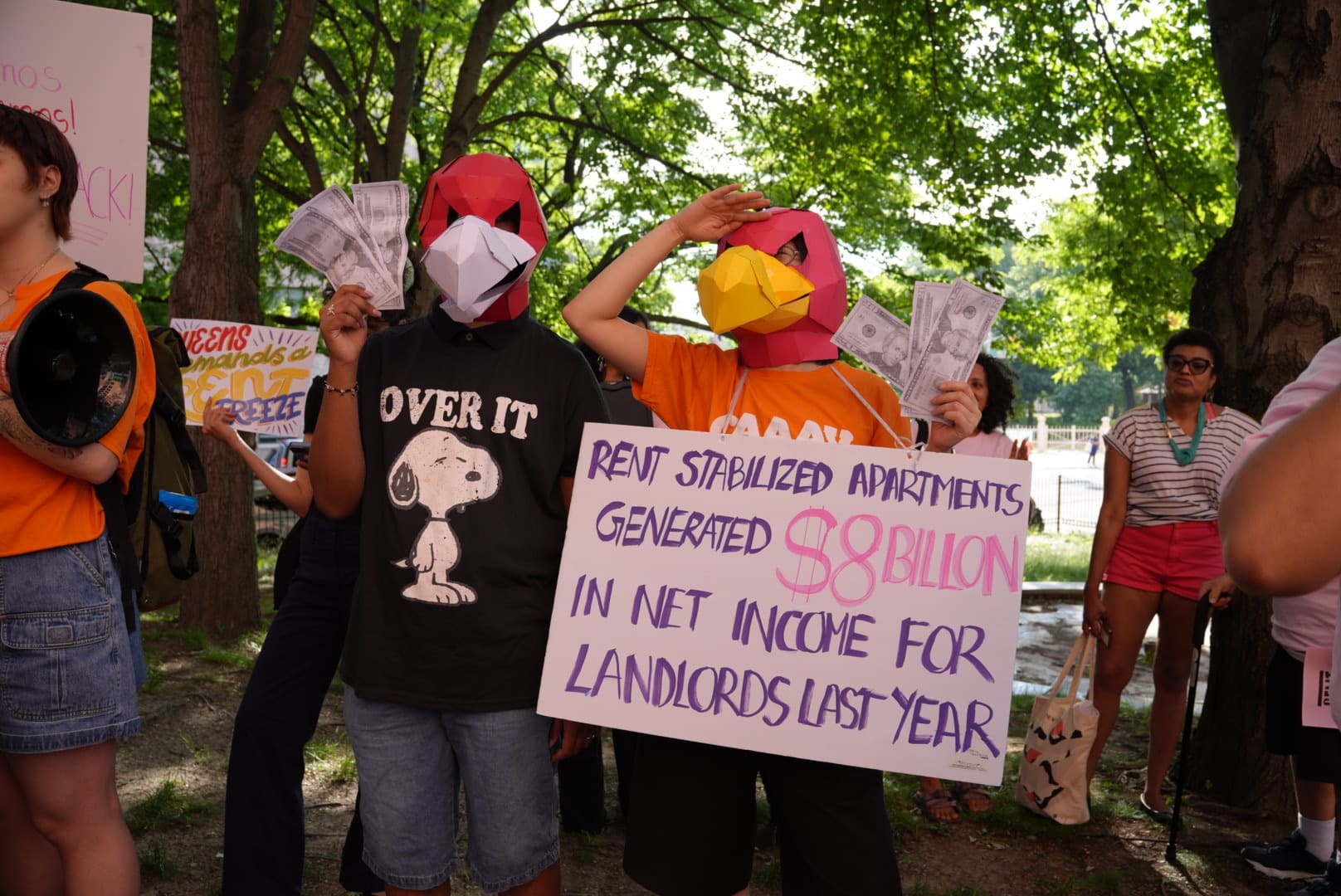
Are NYC’s Rent-Stabilized Buildings Really in Crisis?
As Mamdani moves New York closer to a rent freeze, landlords say their buildings wouldn’t survive it. Recent analyses suggest the real culprit behind distressed buildings is predatory equity, not rent stabilization.
Explore Articles in this Topic
Search & Filter Within this Topic
filter by Content Type
filter by Date Range
search by Keyword

Community and Economic Development, 2012-2016
Responding to Paul Ryan’s commentary about valuing seniors, Vice President Biden shared some advice he received from his father: “Look, don’t tell me what you value. Show me your budget, […]
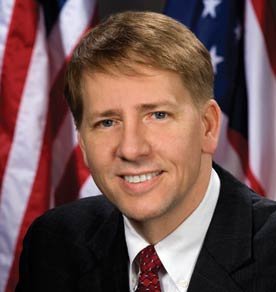
Putting ‘Silent Pickpockets’ on Notice
Discriminatory lending practices are a “silent pickpocket” skulking among unsuspecting borrowers, said Richard Cordray, director of the Consumer Financial Protection Bureau, at the National Community Reinvestment Coalition’s annual conference in […]

California’s New Environmental Movement
How communities of color, using health and jobs as rallying cries, took on Big Oil — and won!
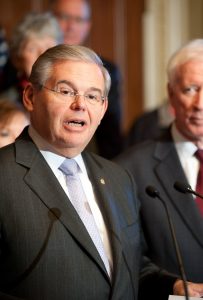
Interview with Senator Robert Menendez
Shelterforce talks with Sen. Robert Menendez about the ongoing federal response to the housing crisis, the Sustainable Communities Initiative, the Occupy movement, and more.
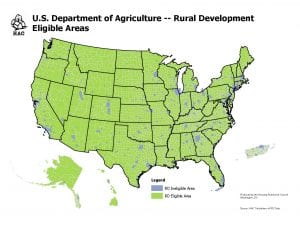
Defining “Rural” for USDA’s Housing Programs
This part is simple: a property must be in a rural place to be eligible for USDA rural housing funding. Beyond that simple statement, things get complicated. What places are […]
Housing the Political Agenda
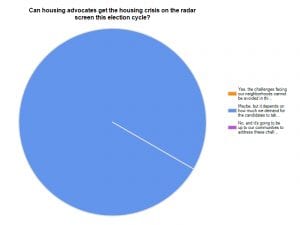
It's official, at least it is to you. In order to get housing on the agenda this election cycle, we have to demand our candidates to take a stand. It's […]

The Housing Crisis and the Landscape of Affordable Housing
As home prices continue to fall, the notion that the real estate market will allow for lower-income families to secure affordable housing increases. But it’s not so cut and dried. How much a home costs is only one of many factors when determining affordability. In March 2012, Shelterforce hosted a roundtable discussion featuring leading research and policy experts to explore those various components of affordability looking at just how the housing crisis changed the affordable housing landscape in the United States.

New Consolidated Plan Better Supports Community Investment Decisions
Mercedes Marquez, HUD’s assistant secretary for community and planning development, outlines changes to HUD’s Consolidated Plan. These changes are intended to streamline the application process, making it easier to comply with requirements. In addition, the expanded data and new mapping tool will serve as resources in analyzing local need and targeting strategies to address local challenges.

Interview with Ron Faris, Ocwen CEO
We speak with Ocwen CEO Ron Faris about why principal reduction makes business sense and some of the myths that get perpetuated about it.

Interview with Shelley Poticha, Director of Office of Sustainable Housing and Communities
Shelterforce speaks with Shelley Poticha, director of HUD’s Office of Sustainable Housing and Communities, about implementing sustainable policy at the federal level while encouraging local innovation, keeping down the cost of green housing, and effecting change while dealing with federal government bureaucracy.
R Street Apartments: Transit-Oriented Affordable Housing Goes Green
Once marked by underinvestment and criminal activity, few neighborhoods in Washington, D.C. have undergone as significant a redevelopment over the last decade as the historic Logan Circle neighborhood.

Do As I Say, Not (Necessarily) As I Do
The Office of the Comptroller of the Currency has issued some guidance to banks about the “obligations and risks related to foreclosed property.” The memo, released last week, asks banks […]