


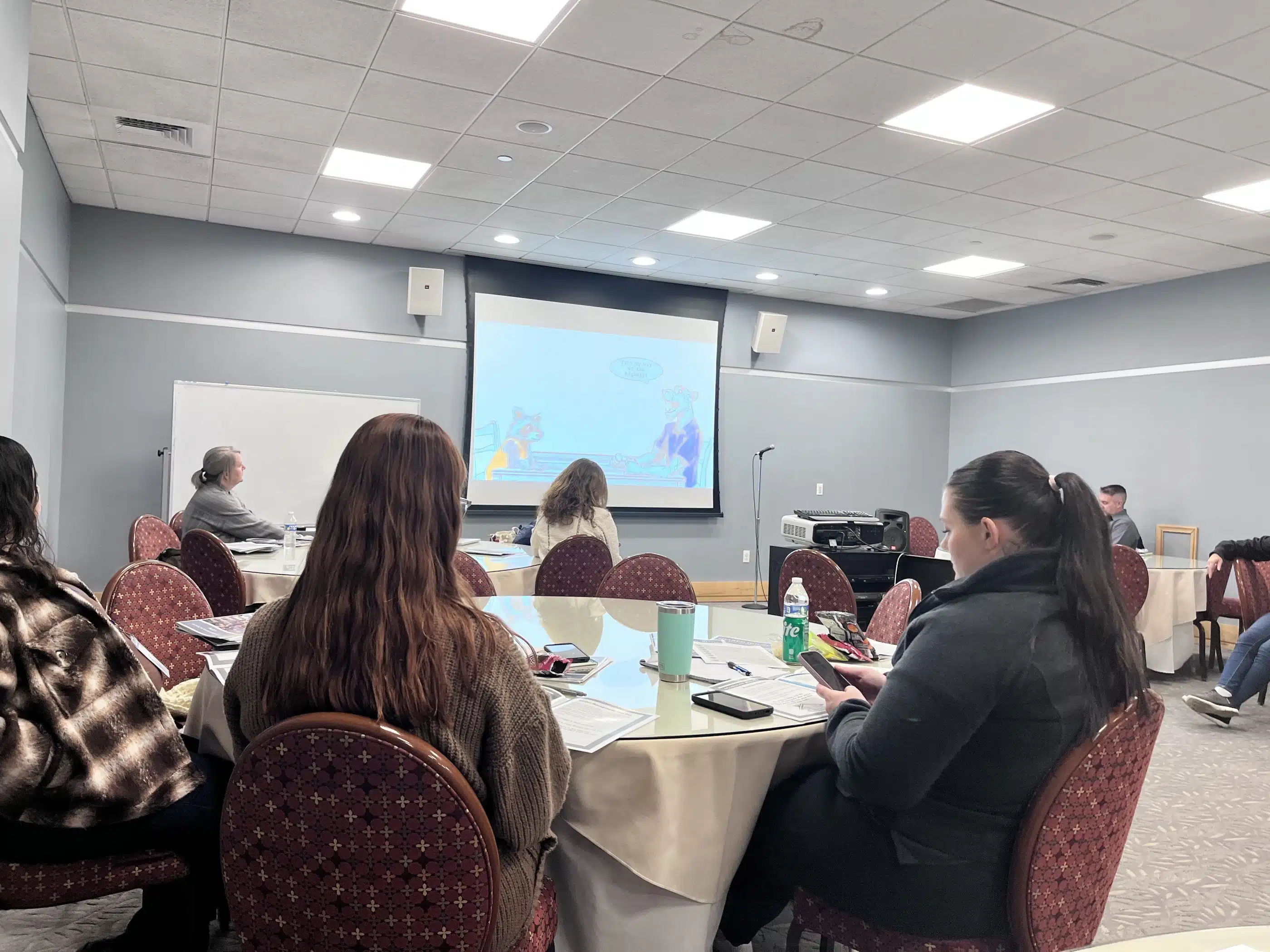
When dozens of New Jersey-based housing and social service providers gathered for the final session of a yearlong Shared Housing Institute training program at the end of 2025, one question kept surfacing: How do we keep our people from being evicted?
Amid cuts to federal funding for permanent supportive housing and a tightening rental market, the question wasn’t rhetorical. Permanent supportive housing has long been the primary tool for keeping vulnerable individuals stably housed. But with that funding shrinking and area homelessness rates rising, housing and social service providers needed another way to help their clients.
That’s where shared housing comes in. Shared housing is a model where two or more unrelated adults live together in one home or apartment, sharing rent and household responsibilities. Much like permanent supportive housing, shared housing is a viable solution to homelessness for two major reasons.
Financially, it dramatically lowers the cost of housing by splitting rent among residents. Structurally, it relies on homes already on the market rather than requiring new construction or dedicated subsidized units, making it faster to scale.
Shared housing can also include robust wraparound supports, such as case management, mental health therapy, life skills coaching, and more to address the psychosocial barriers that often drive eviction, including isolation, untreated mental health conditions, conflict between housemates, and loss of income.
Camden County, New Jersey, paid for the providers to attend the training program in the hope that they would gain enough knowledge about the shared housing approach to develop local, interagency pilot programs that could not only help get people off the streets but also prevent them from becoming homeless.
What makes the county’s work relevant on a national level is not that every idea from providers was fully funded or built out; it is that a county facing federal cuts, a tight rental market, and limited flexible dollars is investing in interagency collaborations to help keep residents stably housed.
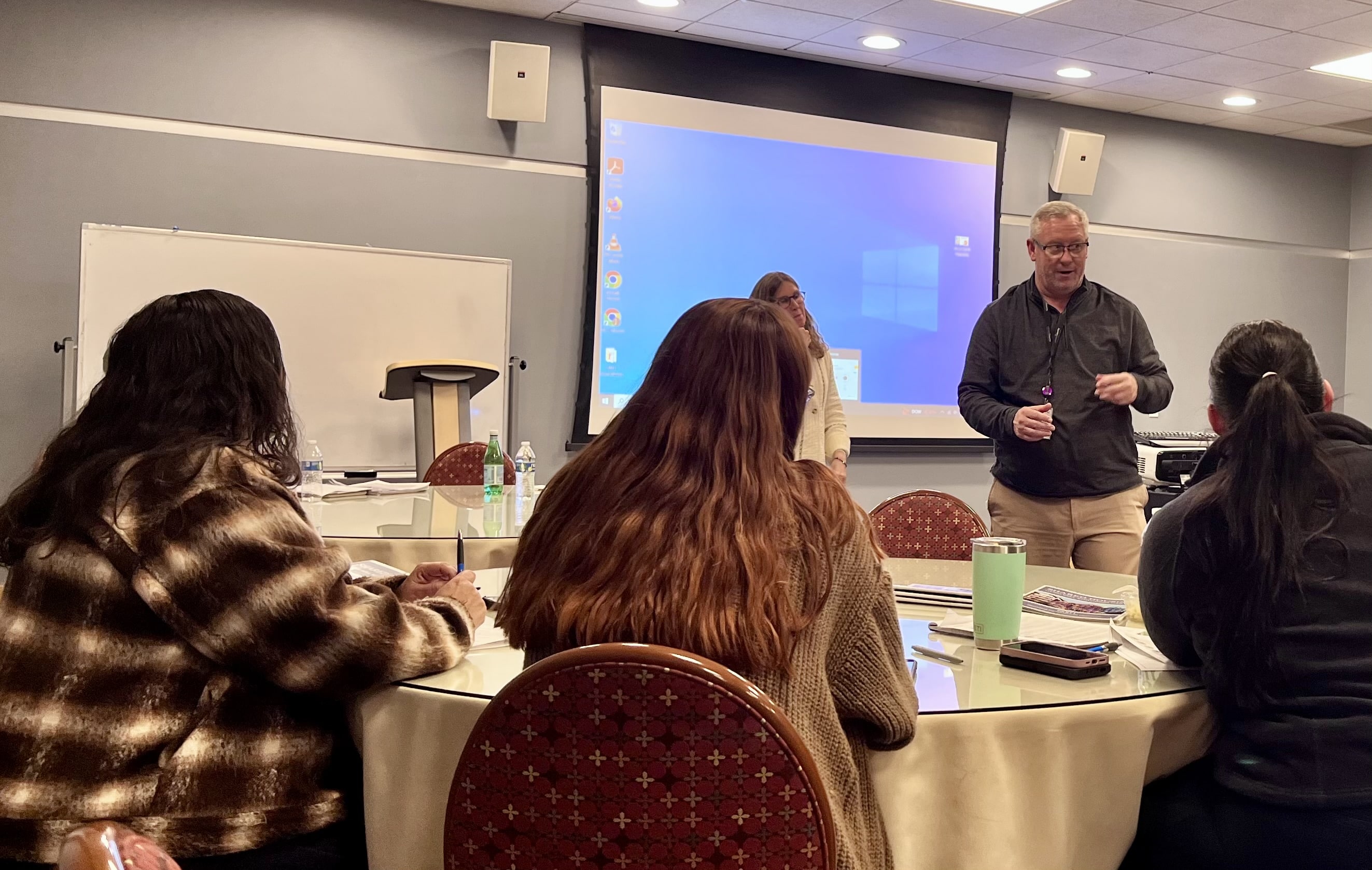
Starting From Where They Are: ‘We Found Money for This’
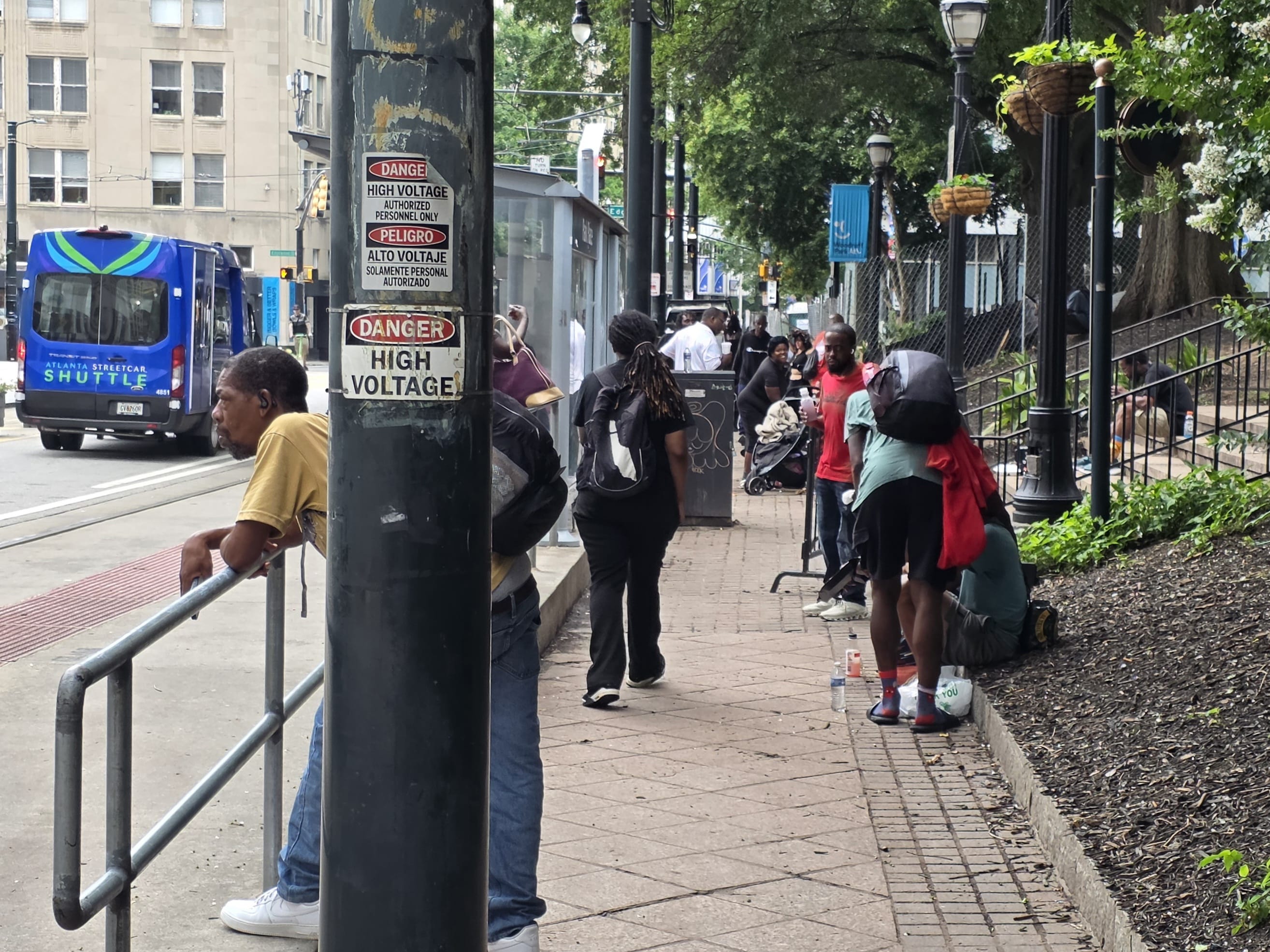
Camden County is experiencing a sharp increase in homelessness, reflecting a broader statewide trend. According to a 2024 Point-in-Time Count for the Homeless, the county’s homelessness rate in 2024 increased by 21 percent when compared to the previous year.
Of all the counties in the state, Camden County remains one of the most affected by homelessness relative to its size, especially considering the high levels of poverty and housing instability within Camden City.
In 2024, I was brought in by the county to research national shared housing models and assess how Camden County could adapt proven approaches to move toward its “functional zero” homelessness goal within the constraints of limited and increasingly uncertain funding.
The county framed scarcity as a design challenge. For example, how could a small landlord incentive pool—$10,000 to $50,000—support a shared housing program?”
As part of that effort, in February 2025, the country paid for about 80 county-based service providers to participate in the Shared Housing Institute’s training program. During the program, the providers were tasked with designing shared housing pilot programs that could be financed by existing resources, such as the county’s Homeless Trust Fund and foundation partners. Camden County officials acknowledged that federal funding is being cut, and the shared housing ideas the providers developed must compete with other priorities amid an already limited county budget.
The county framed scarcity as a design challenge. For example, how could a small landlord incentive pool—$10,000 to $50,000—support a shared housing program? Many landlords hesitate to participate in shared housing programs, citing worries about high turnover costs and interacting with residents who may require extra support. Landlord incentives were suggested as a way to address that reluctance.
Robert Jakubowski, director of homelessness and community development for Camden County,put it plainly: If someone can “write exactly what that looks like and how you would use the funds,” the county could likely secure some funding from community partners and the county’s Housing Trust Fund to cover it.
The shift was subtle but meaningful. It moved the conversation from, “We can’t afford this,” to, “What’s the simplest version we can test?”
Landlord Engagement: The Real Center of Gravity
From the providers’ perspective, landlord engagement is the center of gravity. No amount of client preparation or subsidy matters if you can’t secure a unit. Providers described spending workdays finding landlords willing to rent to people who earn low wages, have imperfect credit, or are justice-involved. The providers noted how often deals seem certain and then suddenly fall apart—like one landlord who was interested in shared housing until he wasn’t and stopped returning calls.

Participants named what landlords truly care about:
• Guaranteed rent and reduced vacancies.
• Lower turnover and unit repair costs.
• Fewer eviction filings and the follow-up that comes with chasing late rent or managing tenant disputes.
The providers also recognized that incentives don’t always have to be financial. A landlord might value assistance with turning over units—painting, flooring, carrying out small repairs—just as much as cash. Several providers suggested flexible funds that could cover turnover costs while agencies offer intensive case management and rapid response when issues arise.
[RELATED ARTICLE: How to Make the Case for Supportive Housing]
One provider said it had already started collecting contact information from small property management companies and was discussing shared housing opportunities with real estate agents.
Providers didn’t wait for the county’s directive; instead, they led the effort to build a landlord base. The implicit understanding is that landlord engagement is necessary for a program to work. A shared housing model won’t work without property owners who feel the system recognizes and supports them.
Master Leasing: A Cornerstone for Vulnerable Populations
For some providers, the conversation went beyond basic landlord outreach. Camden County has deliberately tied some shared housing pilot programs to master leasing. Under master leasing, an organization—not an individual tenant—is the landlord’s contractual partner. Rent payments flow from the organization to the landlord, and the organization is responsible for matching tenants with properties resolving problems. For landlords who are worried about renting to people with criminal records or unstable housing histories, this structure shifts the risk from the individual to an organization.
The county’s Homeless Trust Fund has already funded shared housing for youth and women reentering society after incarceration through a master lease, which provides the greatest control and stability for supporting these populations.
Service providers acknowledged that many landlords are unaware of master leasing, and some agencies are hesitant about the model. The providers identified the need for more education—both to help providers feel comfortable offering master lease arrangements and to ensure landlords understand that this structure protects them rather than increases their risk.
Clarifying Roles: Government as Catalyst, Community as Implementer
Throughout the training, an important but subtle theme emerged regarding the role of service providers. The county will be the catalyst—funding training, seeding small incentive pools, convening navigators, and legitimizing shared housing as a key strategy—while nonprofits will be ones implementing, designing programs, writing concept papers, testing pilots, and building relationships with landlords and donors.
Jamie Taylor, president and founder of the Shared Housing Institute, says Camden is “lucky to have entrepreneurial county support,” but that support depends on agencies turning ideas into clear concepts and holding themselves accountable for follow-through.
Camden County, a National Case Study of Policy Innovation
After completing the training, one provider created a shared landlord list, proactively reaching out to small property management companies and real estate agents.
Other providers pledged to bring shared housing back to their supervisors and directors as a strategic priority, rather than a side project.
Several housing providers outlined pilot plans, including testing small “gathering” events with current clients and landlords, incorporating shared housing options into coordinated assessment, and using master leasing for higher-barrier groups.
One provider experienced in master leasing offered to mentor others. The group agreed to turn promising ideas—such as landlord incentives or shared housing events—into concepts that could be quickly funded when flexible dollars become available. There was also a shared commitment to document early successes and challenges so that Camden’s emerging shared housing work can evolve from isolated experiments into a coherent system.
In under one year, Camden County has:
- Used existing funds—not new federal dollars—to launch shared housing pilots. This includes using the county’s Homeless Trust Fund to fund a shared-housing program led by Kommunity Kares for women reentering society after incarceration, and programs led by The Transformative Justice Initiative and Making It Work that serve youth ages 16 to 24.
- Made master leasing a funding condition for programs serving the highest-acuity populations, such as youth who are homeless and women exiting incarceration.
- They have made landlord engagement a priority in housing programs. On April 1, it held a landlord engagement event.
None of this solves homelessness. But together, these steps demonstrate what it looks like for a jurisdiction to shift from passive reliance on slow, subsidy-heavy pipelines to an active role as a government-supported, community-led shared housing system.
Amid rising homelessness and decreasing federal resources, this type of shared ownership is itself a significant innovation.
For other counties watching federal resources decrease while homelessness increases, Camden offers a practical roadmap: start with the resources you already control, center landlord engagement, test small and learn quickly, document what works, and recognize that lasting innovation happens when government enables and community implements.
For Camden County, the training is over, but the real work is just beginning.
About the Author


Amazing, great piece!
Can you please check in with them in a year to see how this is going? If the apartment matches are working out well? It would be interesting to learn about more established shared living programs, as well.
A quick query- is it certain that liability is shifted from the landlord to the nonprofit? I would think it would be shared. For example, if there is a lawsuit, both would be sued and the landlord might still be found liable in some capacity. For example, for allowing the nonprofit to not screen tenants if a crime occurred that hurt another tenant, who sues. Or, it may be damages that would hit the property coverage of the landlord’s insurance policy, not the general liability that a nonprofit would have (for example- fires, leaks, etc.)
There are some for-profit companies that have on-line platforms for renting rooms. If Camden, NJ has this, it could be a very helpful partnership.
So much of your article resonates with me. I am one of the co-founders of Lotus Campaign. We currently work in Charlotte and Raleigh, unlocking existing housing for people experiencing homelessness who are otherwise shut out. The magic formula for us has been removing the risks for landlords by guaranteeing security deposit, application, fees, rent, etc. via philanthropic dollars (not government funding), and pairing that with social service support and time for the residents we place. Each resident is carefully vetted. We work closely with landlords to manage any problems that may arise and work through them, practically eliminating evictions. We currently have 22 landlord partners in both cities, and 17 social service partners, and have housed nearly 800 people, with a 90+% of staying housed after two years. Another key factor is housing people in neighborhoods of opportunity near jobs, transit, good schools, and other essential amenities. Thank you for shining a light on models that are working now and don’t require communities to wait for new construction.