
Organizing

A Note From Our Publisher—Lifting Up Women’s Voices

There are countless women who are driven to turn up the volume of their voices when faced with unfair circumstances. As the publisher of Shelterforce, I am privileged to lead a publication that makes way for many of these voices to be heard.

Owning your truth, transforming it into purpose, and saying it out loud is bold. I am a Black woman with the privilege of raising a Black boy, and I wake up every single day terrified for his life. At this very moment, the vulnerability of this statement has me holding my breath. But even during that held breath, there is a push and a desire inside of me to say it anyway. Exhale. The same inclination, despite feeling hopeless, has propelled me to challenge my child’s school administration when disciplinary actions are enforced on my son at a greater rate than on his counterparts.

Like me, there are countless women who are driven to turn up the volume of their voices when faced with unfair circumstances. Some of them take the even bolder and wiser step of then sharing those stories, inspiring others to bring forth change they maybe hadn’t had within them to make before.

As the publisher of Shelterforce, I am privileged to lead a publication that makes way for many of these voices to be heard—individuals across this country who are essential to the transformation of their communities. Fortunately, women—especially women of color—keep stepping up and being responsible for moving communities forward. My insatiable curiosity about knowing these women and their stories brought forth the idea of profiling women fighting on the frontlines of today’s most pressing issues. Luckily, we have great partners like Community Change who share this sentiment and have collaborated with us to present this series, Women of Color on the Frontlines.

For the next couple of weeks, Shelterforce and Community Change will lift up the voices of women who have shared with us their experiences, highs, and lows on their organizing journeys. As you take time to listen to the stories of Donna Price, Idalia Rios, Vy Le, and Cynthia Wiggins, I hope you find yourself in each of these women, and that you are compelled to share your own story with us (@Shelterforce) (@communitychange) and others.

Heard voices change lives.

Schlonn Hawkins

Chief Executive Officer and Publisher


Women of Color on the Front Lines is a video series produced by Shelterforce and Community Change. If you’re enjoying this series, please consider becoming a supporter. We can’t do this work without you.

Related Articles

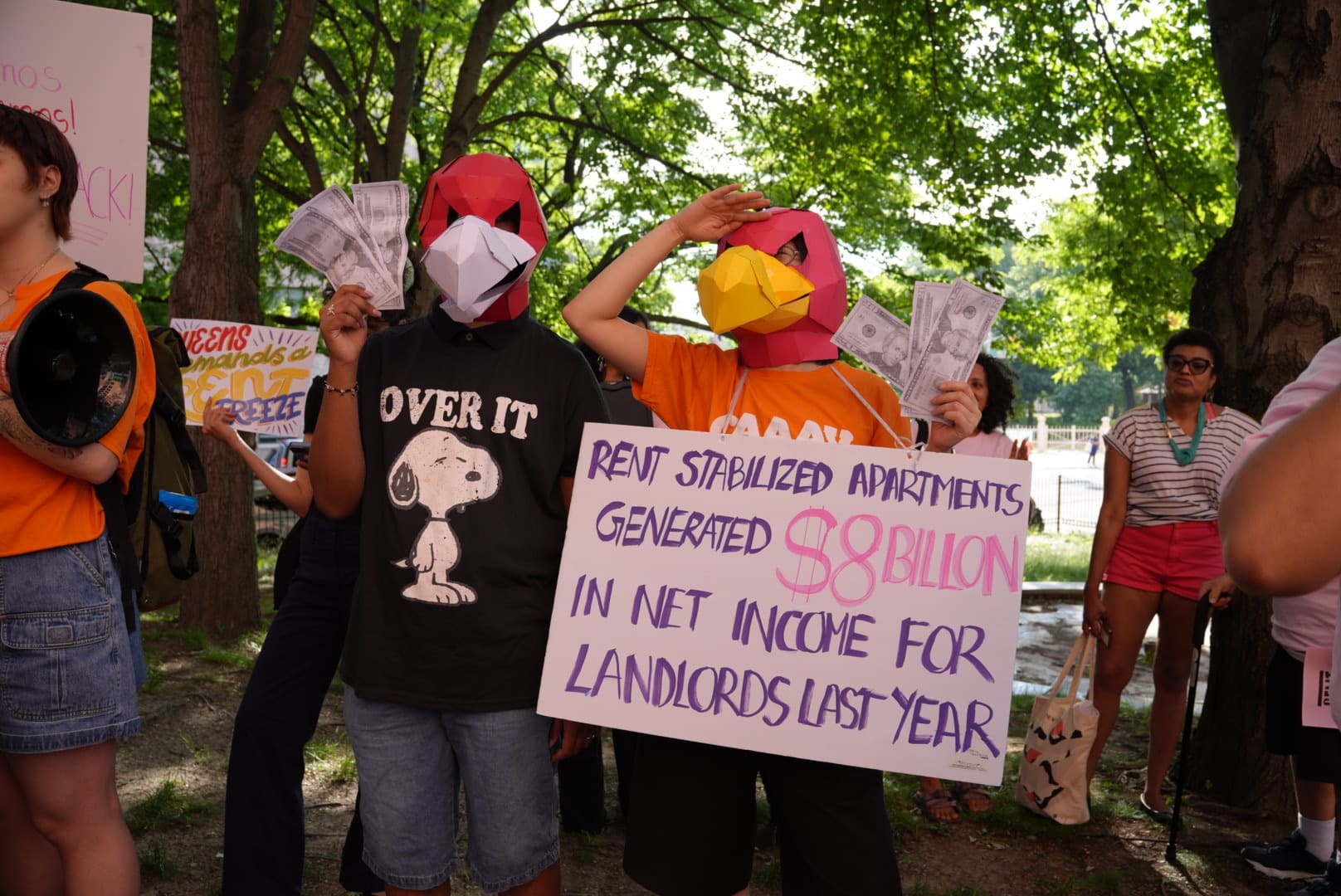
  • Two people with paper bird masks hold dollar bills. One wears a sign that says "Rent stabilized apartments generated  billion in net income for landlords last year."

    Are NYC’s Rent-Stabilized Buildings Really in Crisis?

    June 24, 2026

    A two-year rent freeze, affecting about 1 million rent-stabilized apartments in New York, was just approved. Before the freeze passed, landlords said their buildings wouldn’t survive it. But recent analyses suggest the real culprit behind distressed buildings is predatory equity, not rent stabilization.

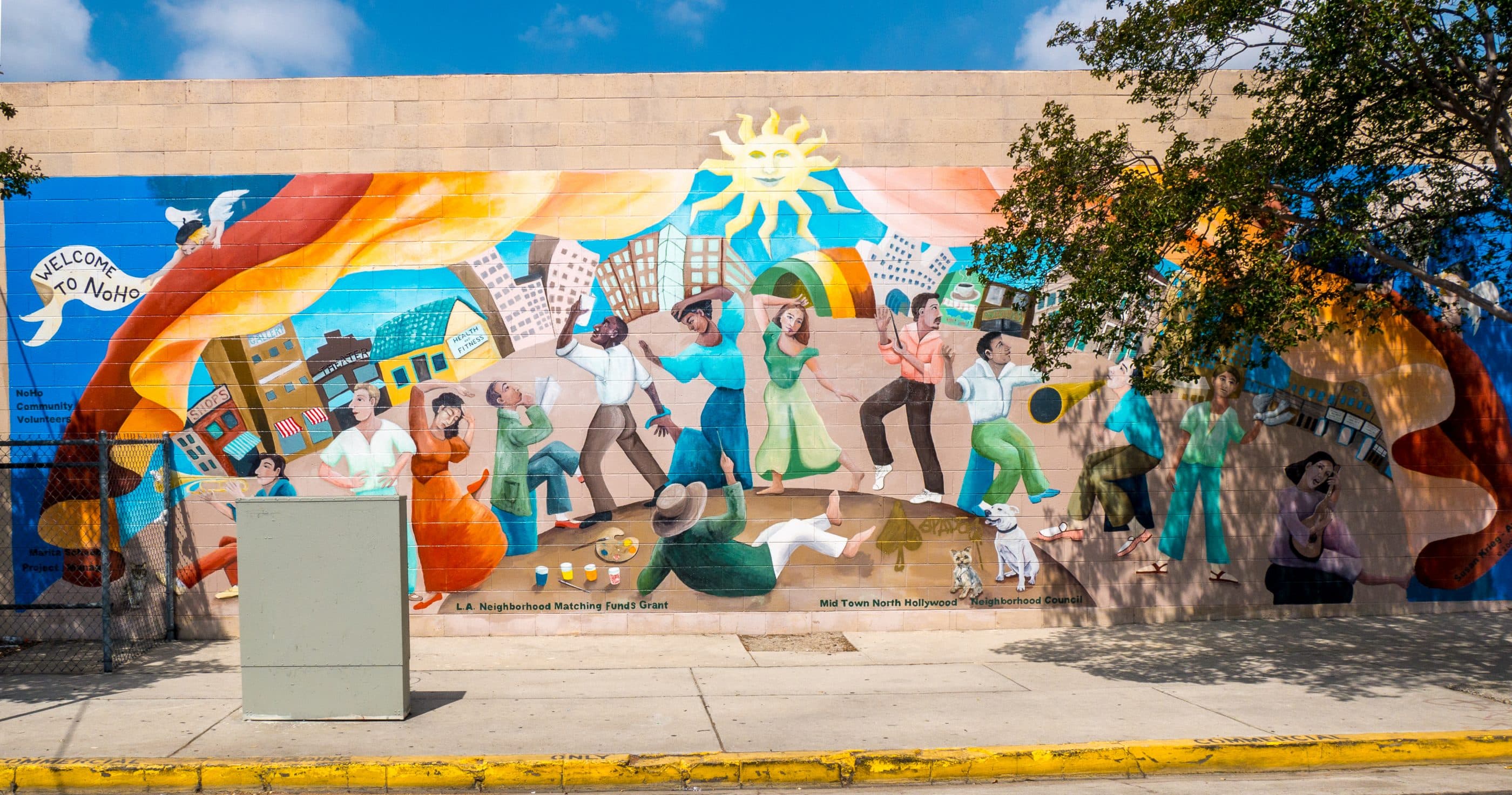
  • A large, colorful mural painted on the exterior of a building. It says "WELCOME TO NOHO" in capital letters and depicts people of different ages, genders, races, and ethnicities dancing and playing music in front of different types of housing and community buildings, including apartment buildings, a health and fitness center, a theater, and a gallery. The building is set back from a public sidewalk, and part of a tree shades the right-hand side of the mural.

    How State Coalitions Are Advancing Community Ownership of Housing

    June 19, 2026

    In recent years, housing coalitions promoting community land trusts and real estate cooperatives have formed in multiple cities and states—and they are achieving results. Nonetheless, a lot of work is needed to achieve the policy changes these groups desire.

  • A webinar screenshot of three people. In the top-left corner is a white man with gray hair and dark eyebrows; he is wearing headphones, glasses, and a checkered shirt, and his background is blurred. In the top-right corner is a Hawaiian woman with dark hair; she is wearing glasses and a black t-shirt, and she is set against a screensaver of a tree-lined field. On the bottom is a white woman with brown hair; she is wearing a green floral top and large earrings, and she is set against a screensaver background of the earth viewed from space.

    What Does a Solidarity Approach to Housing Look Like? A Shelterforce Webinar

    June 10, 2026

    In this webinar, we examine what a solidarity economy approach is, what its principles are, how these principles are being applied presently, and how they might be applied more broadly to support housing justice and transformative economic change.