


(with Sheryl Verlaine Whitney)
If there was one phrase heard more than any other during our work at HUD, it was “All hands on deck.” (Actually, it was second only to “Are you kidding me?”). In virtually every situation, whether it was implementing programs in response to the housing crisis, getting Recovery Act funds allocated and spent, supporting communities struck by natural disasters, or reinventing internal processes within the department, the message was consistent. We faced challenges that demanded significant resources, potentially more than we had at our disposal. We could not afford to leave anyone idle, for fear of coming up short.
This reality is repeated countless times across the country. People working on behalf of the public interest—staff of public sector institutions as well as those of private, nonprofit, and philanthropic organizations with a mission of advancing the public good—often feel as if they don't have enough time or money to complete all the things necessary to achieve their objectives.
It is therefore puzzling why a readily available resource—the local university—is not more frequently tapped to support the programs and needs of public sector organizations, local nonprofit and for-profit organizations, and philanthropy.
Through universities, service organizations can access engaged manpower and subject matter expertise that can help advance key priorities. There are programs that require students to provide support to real-world organizations in order to ground their academic training in the complexities and messiness of bureaucracy and opposing interests. These practicums frequently offer academic credit, which means students need not necessarily be paid for working on projects. Further, university faculty often have expertise that can be a useful resource for understanding the latest evidence on an issue and strategies regarding how to best incorporate new approaches into operations or policy pursuits. Faculty are often willing to provide this service without charging a fee. In both cases, university resources represent a low-cost vehicle for getting supplemental support for programs.
There are challenges to working with universities, though. First, crafting a tractable project and managing the students requires time that is in short supply for many. Second, academics can live in ivory towers that are detached from practitioner reality; this can lead to recommendations that cannot be implemented in the real world. Third, too often university relationships are really individual relationships driven by an academic’s personal passion and interest as opposed to institutional connections. This makes maintaining a working relationship over time with the university more challenging.
Finally, and importantly, getting the attention of faculty can be difficult. The incentive structure for many faculty members does not make working to advance real-world projects very appealing. Departments and programs of most schools give no real credit to faculty who choose to work in an applied setting or help shape policy. For example, there are very few departments that would give a professor credit for testifying before Congress or working to reform practices or policies based on their research findings. Similarly, faculty members at “teaching colleges” often have heavy course loads that do not leave much time for involvement in community-oriented activities.
Whenever the issue of resources comes up, we routinely ask if folks have reached out to their local university or college. Very few have. We are working to change this situation, by trying to create linkages between universities and community-based organizations in the cities in which we work. We fundamentally believe this capacity building is not only vital but infinitely doable. We hope you will join us in advancing this cause, ensuring that the army working to enhance community life and reduce disparities in access to opportunity grows ever larger.
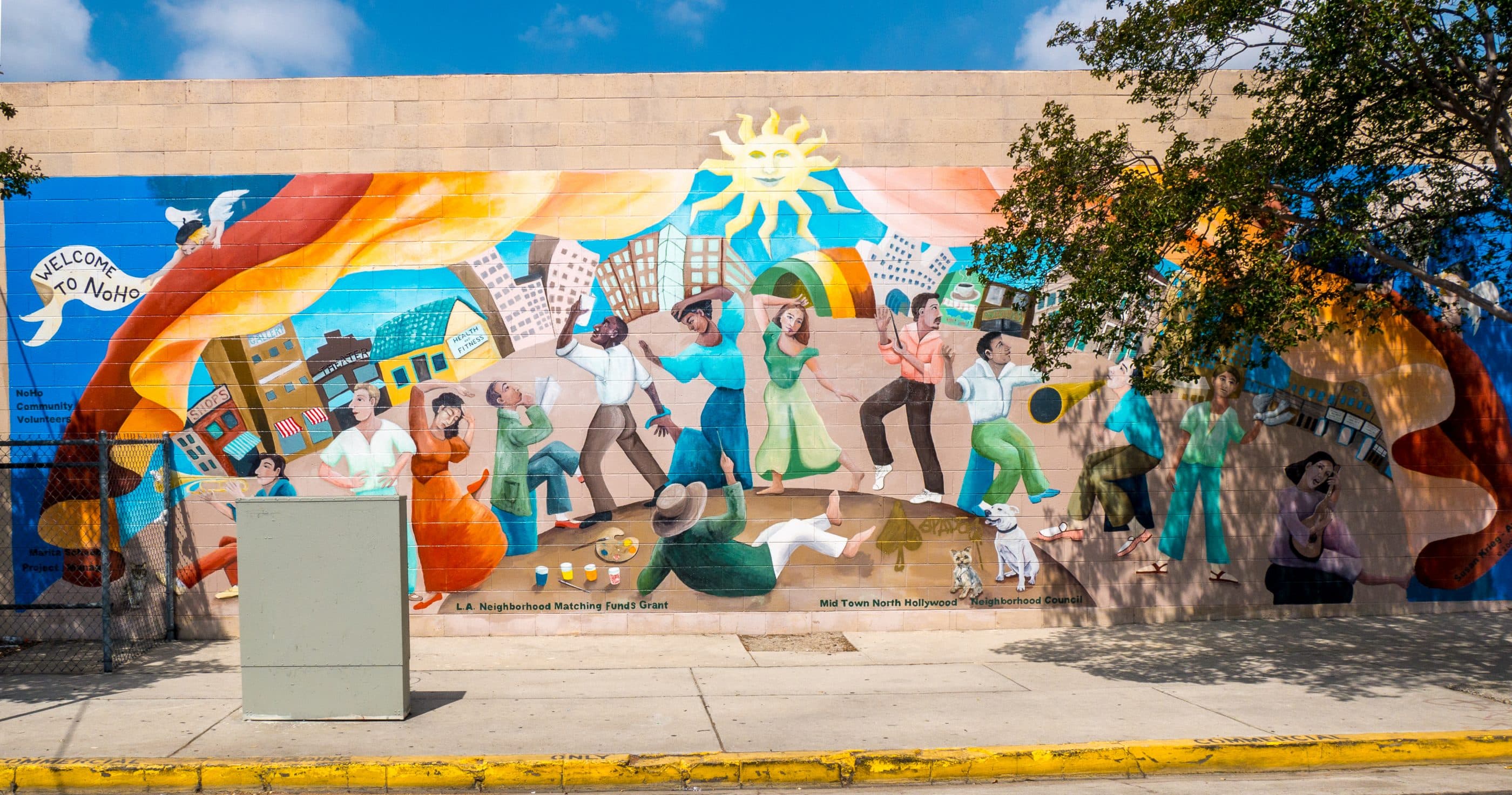
(Photo by Flickr user Roman Boed, CC BY.)
About the Author


Comments