Organizing

Moving Toward Solutions in Ferguson

Over the past few weeks, many news accounts have laid bare questionable—and perhaps criminal—police behavior and the subsequent and continuing protests by concerned citizens in and around Ferguson, Mo. On a single day, September 10th, at least three protests happened—one at the state capitol, one outside St. Louis City Hall, and one near Ferguson (a thwarted highway sit-in […]

Over the past few weeks, many news accounts have laid bare questionable—and perhaps criminal—police behavior and the subsequent and continuing protests by

concerned citizens in and around Ferguson, Mo. On a single day, September 10th, at least three protests happened—one at the state capitol, one outside St. Louis City Hall, and one near Ferguson (a thwarted highway sit-in on an interstate highway).

It's not just the conduct of individual officers that is prompting protest. Troubling revelations about the lack of diversity in many police forces and increasing militarization of law enforcement with weapons from the war on terror has upped the ante between law enforcement and justifiably resentful protesters. 

Despite these seemingly intractable issues, ever so tentatively, it feels like a new day is dawning in the Show-Me state. Using more effective, community-centered policing, such as COPS recommends, and better hardware, such as body cameras, is at least under discussion.

A longer term organizing initiative is the campaign for 100 percent voter turnout. Several groups like Metropolitan Congregations United (MCU), MORE, Jobs with Justice, Missouri Faith Voices and Heal STL are doing what savvy community groups do best—making real change by registering folks to vote and training them to register others. And they're building real power by strengthening permanent, multi-issue grassroots groups here that have a track record in uniting congregations that can confront institutional wrongdoing day in and day out.

Many of the same groups are also continuing to pursue their long-term anti-poverty and justice goals, like winning quality public schools for all and expanding Medicaid so more low-income people and people of color have health insurance.

But for some, more time to process what happened in Ferguson and a space to connect with their own experiences with race and racism is needed before jumping into social justice campaigns. MCU's Sacred Conversations on Race, which will run through Easter/Passover may be a way to fully engage new leaders who are just entering the fight. More than 50 conversations are expected before next spring. 

[Photo from Sacred Conversation on Race (+Action), courtesy of Gamaliel.]

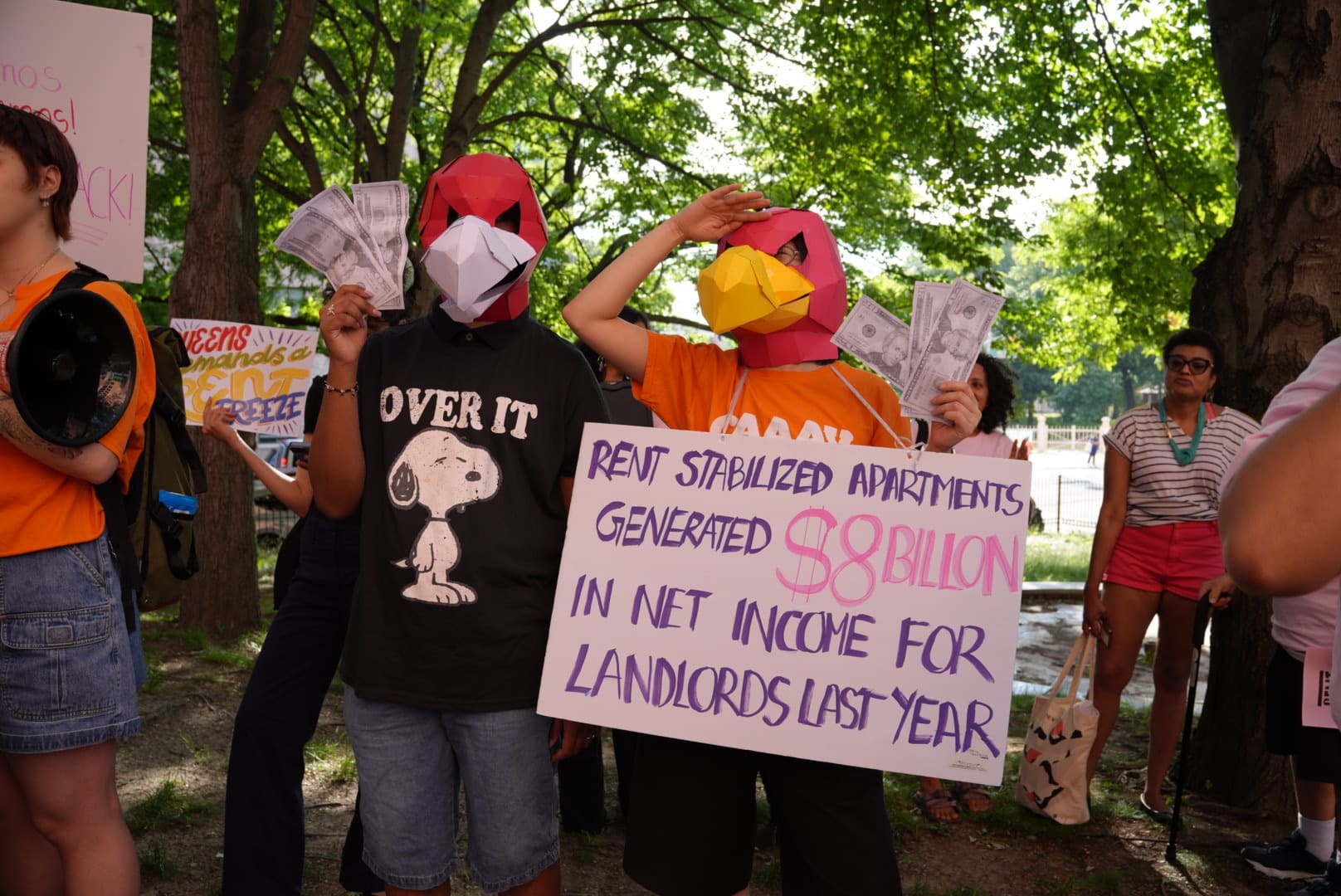
  • Two people with paper bird masks hold dollar bills. One wears a sign that says "Rent stabilized apartments generated  billion in net income for landlords last year."

    Are NYC’s Rent-Stabilized Buildings Really in Crisis?

    June 24, 2026

    A two-year rent freeze, affecting about 1 million rent-stabilized apartments in New York, was just approved. Before the freeze passed, landlords said their buildings wouldn’t survive it. But recent analyses suggest the real culprit behind distressed buildings is predatory equity, not rent stabilization.

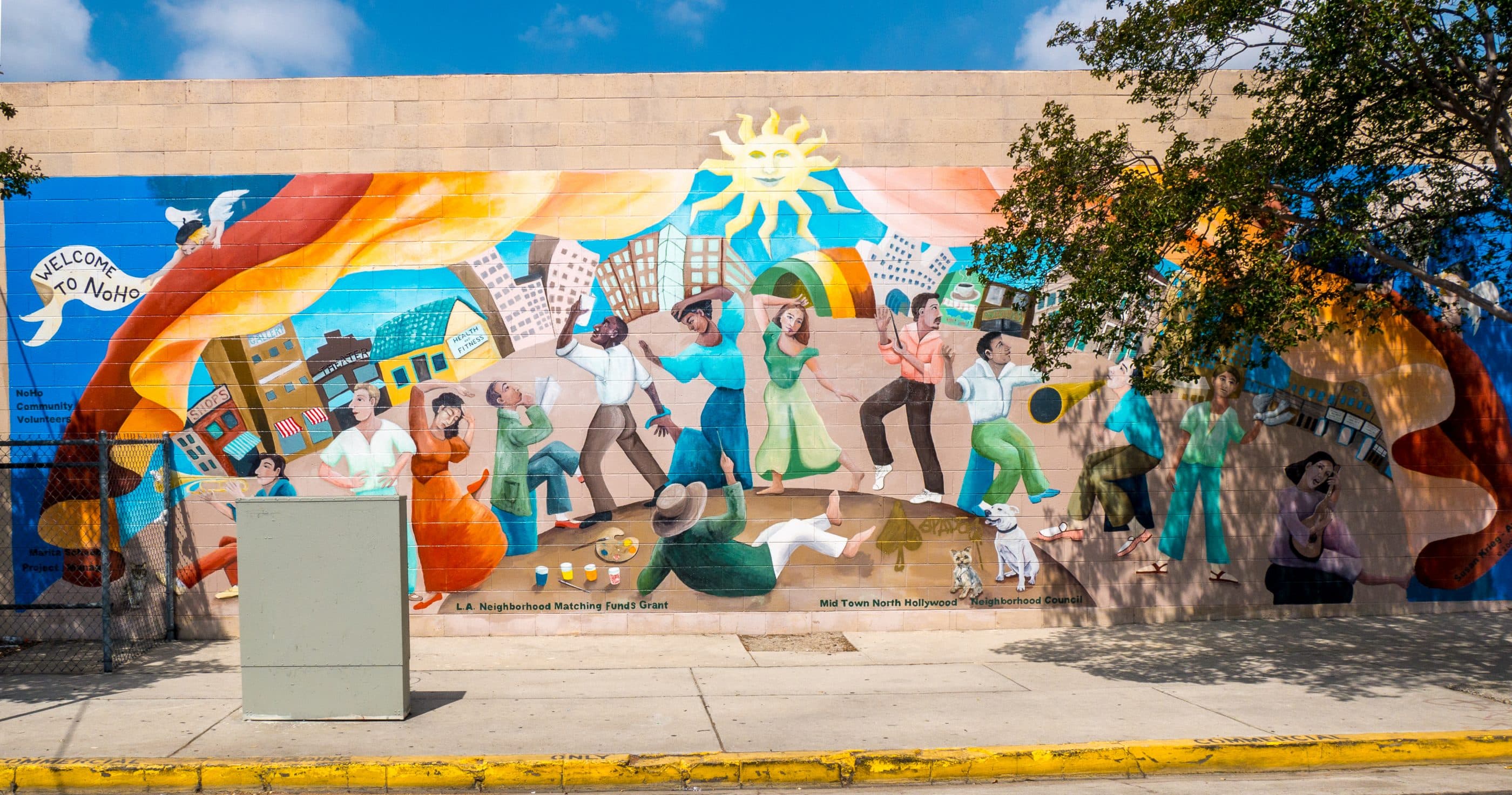
  • A large, colorful mural painted on the exterior of a building. It says "WELCOME TO NOHO" in capital letters and depicts people of different ages, genders, races, and ethnicities dancing and playing music in front of different types of housing and community buildings, including apartment buildings, a health and fitness center, a theater, and a gallery. The building is set back from a public sidewalk, and part of a tree shades the right-hand side of the mural.

    How State Coalitions Are Advancing Community Ownership of Housing

    June 19, 2026

    In recent years, housing coalitions promoting community land trusts and real estate cooperatives have formed in multiple cities and states—and they are achieving results. Nonetheless, a lot of work is needed to achieve the policy changes these groups desire.

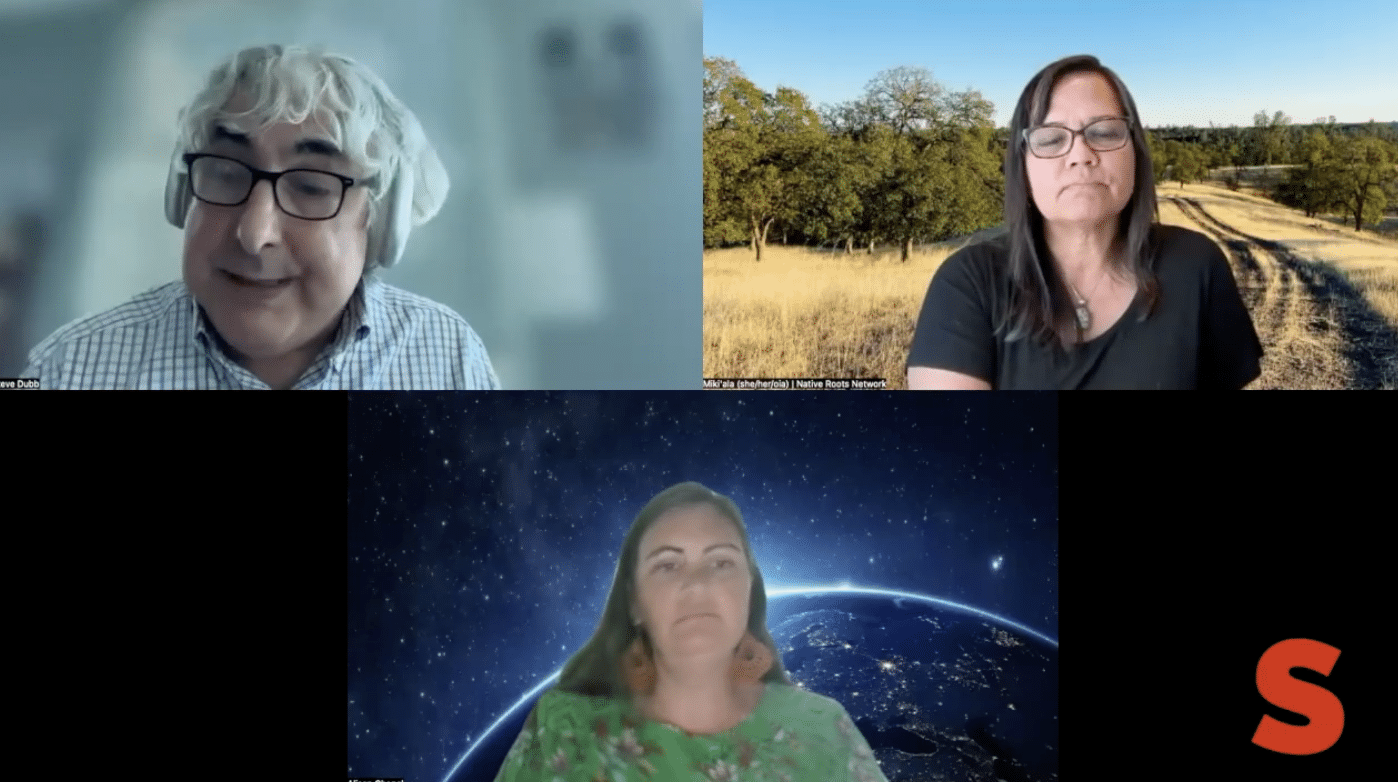
  • A webinar screenshot of three people. In the top-left corner is a white man with gray hair and dark eyebrows; he is wearing headphones, glasses, and a checkered shirt, and his background is blurred. In the top-right corner is a Hawaiian woman with dark hair; she is wearing glasses and a black t-shirt, and she is set against a screensaver of a tree-lined field. On the bottom is a white woman with brown hair; she is wearing a green floral top and large earrings, and she is set against a screensaver background of the earth viewed from space.

    What Does a Solidarity Approach to Housing Look Like? A Shelterforce Webinar

    June 10, 2026

    In this webinar, we examine what a solidarity economy approach is, what its principles are, how these principles are being applied presently, and how they might be applied more broadly to support housing justice and transformative economic change.