Organizing

President Obama Could Be Doing More for Unemployment

In January, U.S. Rep. John Conyers and seven other Congress members created the Full Employment Caucus, with the goal of creating more than 24 million jobs in order to to […]

In January, U.S. Rep. John Conyers and seven other Congress members created the Full Employment Caucus, with the goal of creating more than 24 million jobs in order to to end the unacceptably high rate of unemployment and underemployment in the United States.

Last week the caucus, now 30 members strong, sent an open letter to President Obama asking him to “ensure that America's prosperity is inclusive of women and minorities” by updating three sets of federal regulations along lines Gamaliel, NAACP, National Urban League and others been advocating for since last year.

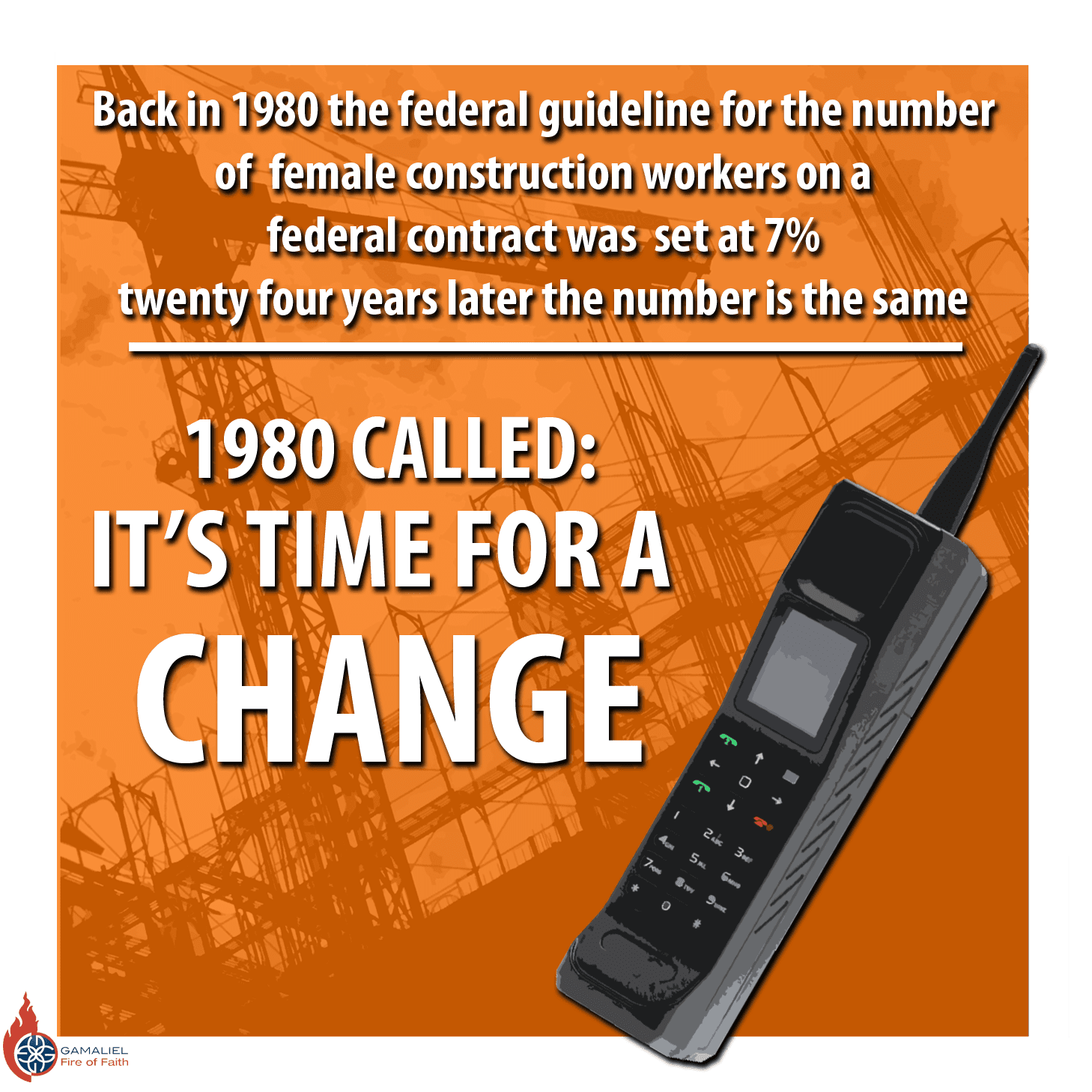
  • Update hiring goals for contractors and subcontractors on federally funded projects—the last time these numbers were updated was in 1980.
  • Revise federal apprenticeship regulations with particular attention to opening up this pathway to employment for women and people of color
  • Strengthen the language in HUD Section 3 workforce regulations to help more residents in communities of color get access to work on improving public-housing developments when such work is contracted.


“We say thank you to the 30 members of the Full Employment Caucus to alert President Obama to the need to update these regulations,” said Ana Garcia-Ashley, executive director of Gamaliel Foundation. “This is a fix the president can do right now, with the power of the pen, to improve employment outlook for our people.”

As Full Employment Caucus' letter states “…the workforce utilization goals used to meet these goals need to be updated.  They have not been updated since 1980.”  It's time for a change—especially a change that could help thousands of low-income people, women, veterans, and people of color into a good paying job.  


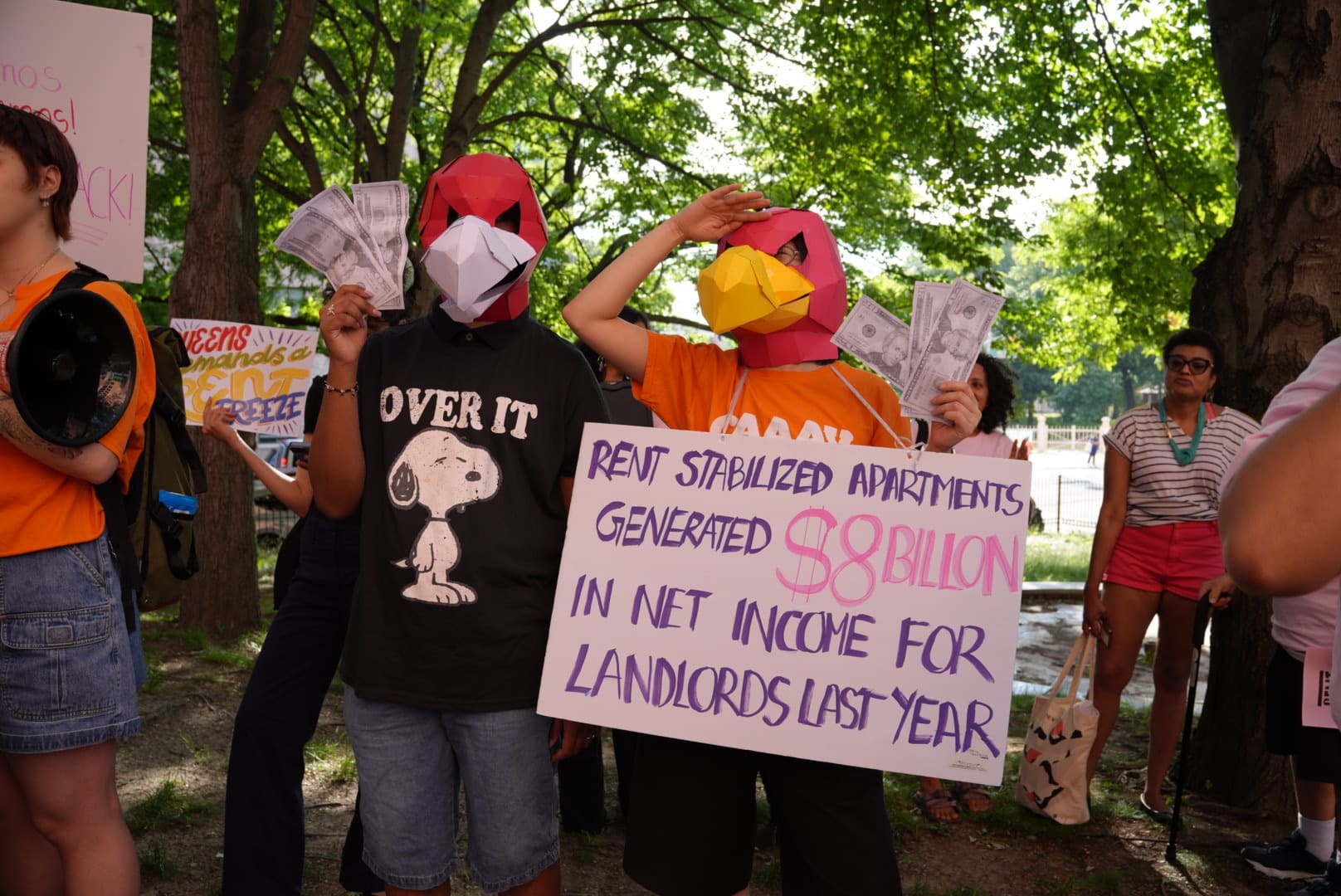
  • Two people with paper bird masks hold dollar bills. One wears a sign that says "Rent stabilized apartments generated  billion in net income for landlords last year."

    Are NYC’s Rent-Stabilized Buildings Really in Crisis?

    June 24, 2026

    A two-year rent freeze, affecting about 1 million rent-stabilized apartments in New York, was just approved. Before the freeze passed, landlords said their buildings wouldn’t survive it. But recent analyses suggest the real culprit behind distressed buildings is predatory equity, not rent stabilization.

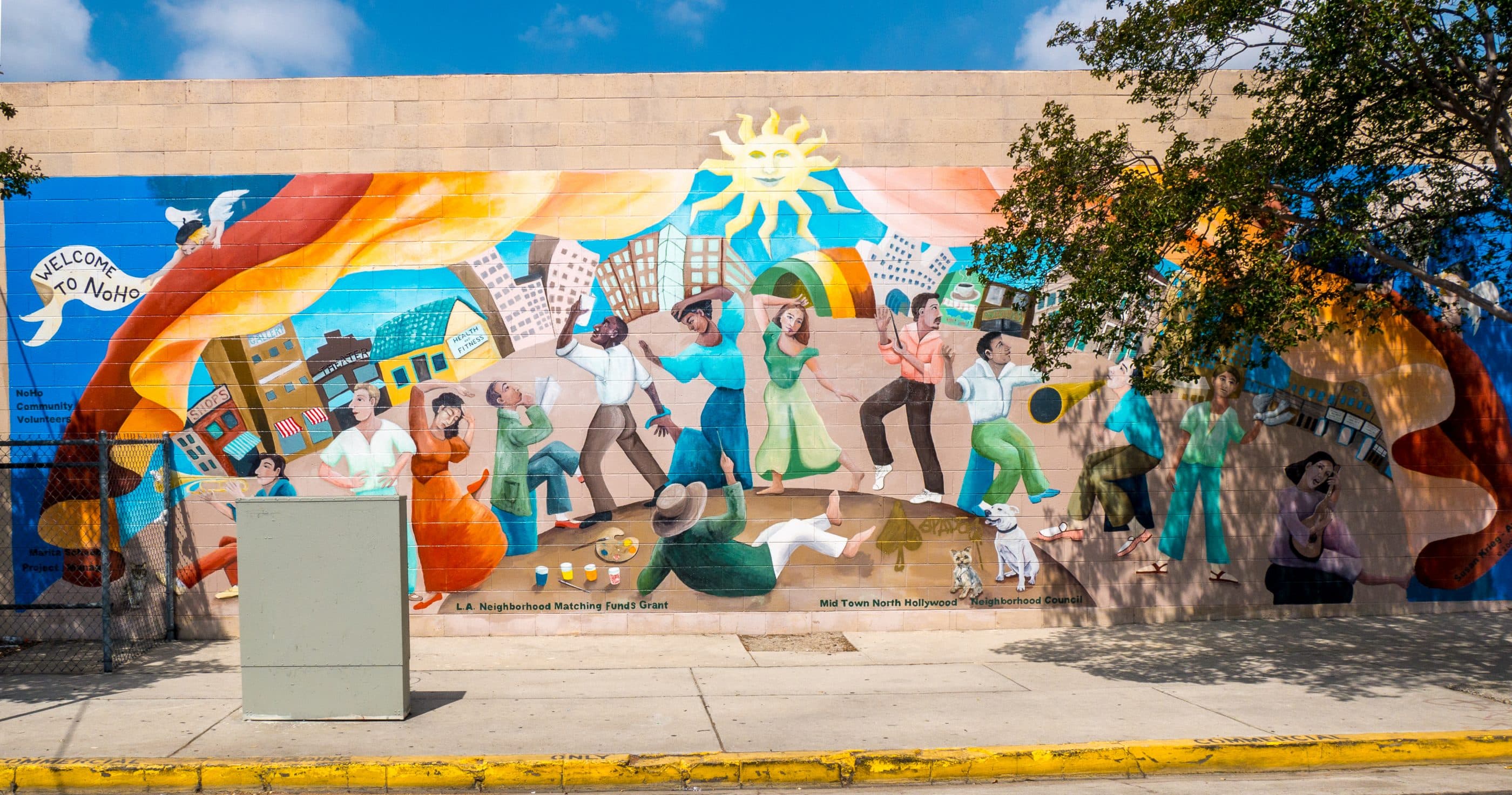
  • A large, colorful mural painted on the exterior of a building. It says "WELCOME TO NOHO" in capital letters and depicts people of different ages, genders, races, and ethnicities dancing and playing music in front of different types of housing and community buildings, including apartment buildings, a health and fitness center, a theater, and a gallery. The building is set back from a public sidewalk, and part of a tree shades the right-hand side of the mural.

    How State Coalitions Are Advancing Community Ownership of Housing

    June 19, 2026

    In recent years, housing coalitions promoting community land trusts and real estate cooperatives have formed in multiple cities and states—and they are achieving results. Nonetheless, a lot of work is needed to achieve the policy changes these groups desire.

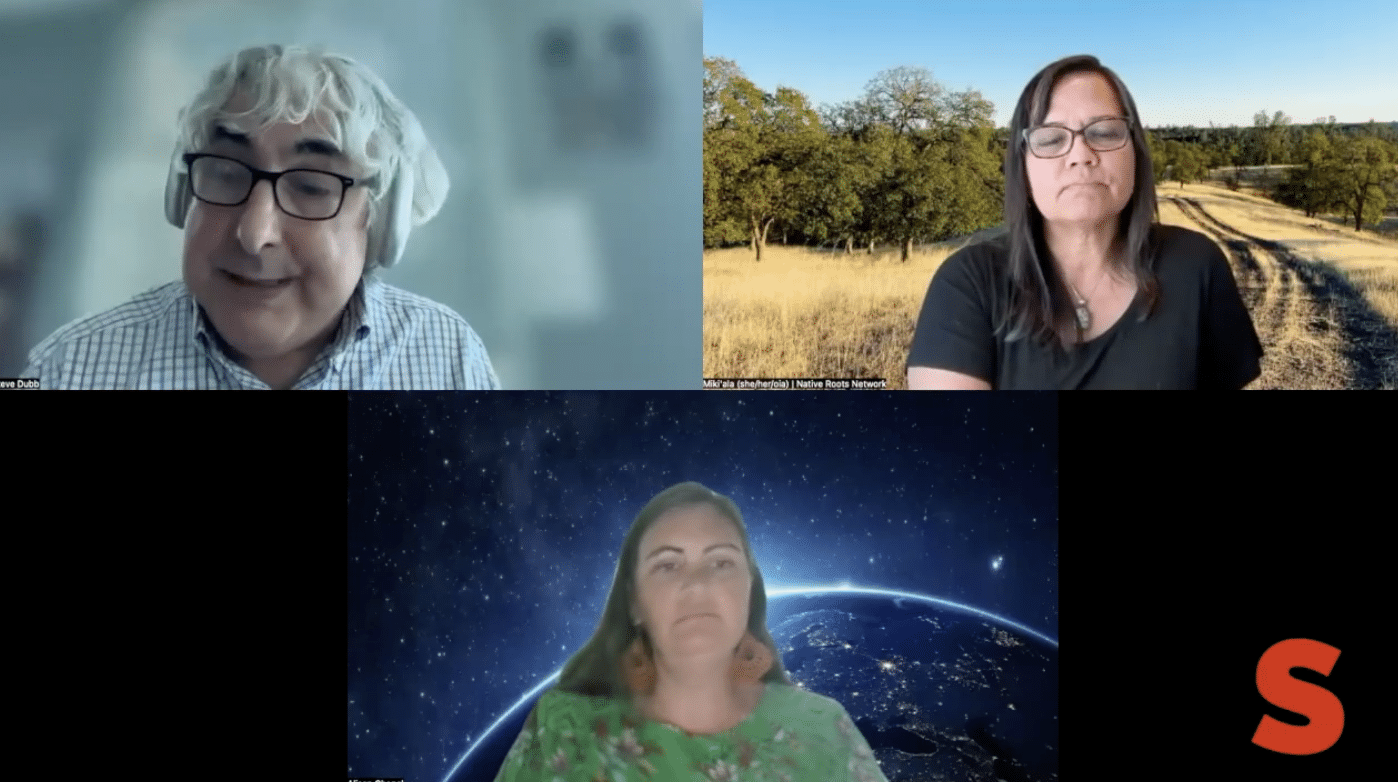
  • A webinar screenshot of three people. In the top-left corner is a white man with gray hair and dark eyebrows; he is wearing headphones, glasses, and a checkered shirt, and his background is blurred. In the top-right corner is a Hawaiian woman with dark hair; she is wearing glasses and a black t-shirt, and she is set against a screensaver of a tree-lined field. On the bottom is a white woman with brown hair; she is wearing a green floral top and large earrings, and she is set against a screensaver background of the earth viewed from space.

    What Does a Solidarity Approach to Housing Look Like? A Shelterforce Webinar

    June 10, 2026

    In this webinar, we examine what a solidarity economy approach is, what its principles are, how these principles are being applied presently, and how they might be applied more broadly to support housing justice and transformative economic change.