



 San Diego’s sunny beaches and beautiful college campuses can be deceptive. The city's soaring housing costs force university students and low-income families to sleep on couches and to depend on free meals. Many, too, end up living out of cars. The waiting list for Section 8 housing is 10 years long, and as a result, families are being forced to move out of state.
According the the National Low Income Housing Coalition, a renter in San Diego's Metropolitan Statistical Area would need to earn $26.58 an hour to afford a fair market two bedroom apartment, yet, the average renter's wage is just $17.28. Despite this, the City of San Diego is trying to take away federal money that provides a source of relief.
Each year, the U.S. Department of Housing and Urban Development (HUD) provides millions in funding to cities across the country to fight poverty. This year, San Diego will receive roughly $11 million dollars in Community Development Block Grants (CDBG). The money is divided up into four categories: administrative costs, capital improvement projects (CIP), program services, and community economic development.
In the past, 80 percent of the funding that was assigned to capital improvement projects went to nonprofits and provided critical support for senior centers, affordable family housing, and health clinics. Now the city wants a bigger share of that money.
“Historically, nonprofit projects have met more of the community's needs, and thus received more of the CIP funding. And now, with little notice or fanfare, a city directive has come down, from what appears to be the mayor's office, that the city will take 60 percent of the CIP funding funds, leaving only 40 percent of the nonprofits. This doesn't even include the 20 percent overhead it already receives from all of the CDBG funding,” said a senior housing developer who requested anonymity for fear of retribution from the city during future funding cycles. The change in how the money is distributed would result in a loss of over $2 million dollars to nonprofits.
Even scarier than the switch, is the process (or lack of one). There's been very little time for residents to respond to the change. On April 9, when the Consolidated Plan Advisory Board (CPAB) voted on the plan, few board members knew of the change. Many were outraged to hear that nonprofits would lose money, and initially voted the change down. But, a city-hired consultant convinced board members to vote again and the plan passed.
Said board member Nohelia Patel, who voted against the plan: “The CPAB's final recommendation to approve the consolidated plan was charged with shortsighted budget decisions. The decision to slash the nonprofit dollars will negatively impact the nonprofit sector as well as the other immigrant communities benefitting from the CIP program money.”
The real issue at stake, as far as JOB, Mid-City CAN, and other community groups are concerned is not just the lack of funding for infrastructure, but what they see as a blatant attempt to take federal dollars from nonprofits who invest in low-income communities. It's a trend that has been increasing across the country as the sequester deepens—Chula Vista and San Jose are other prime examples.
The City Council is expected to vote on the spending plan on April 28.
Let’s see if San Diego can stop playing Robin Hood in reverse and invest in those organizations that know and love the city best, the nonprofit sector.
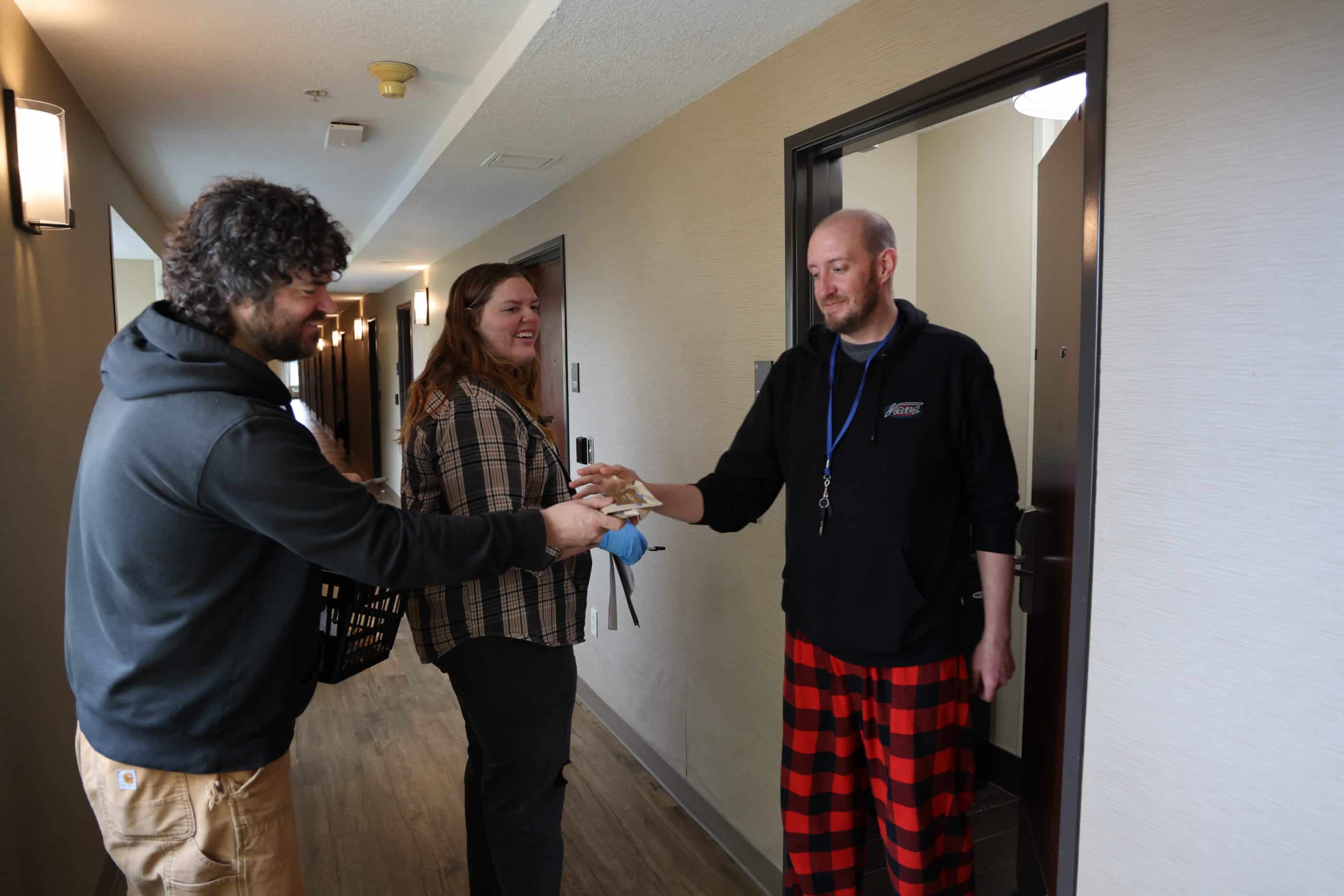
(Photo by Justin Brown CC BY-NC-SA)
About the Author



Comments