Community Development Field

Losing CDGB Funds: Dakota County, Minn.

The Twin Cities-based Star Tribune reports the impact of the potential loss of community development block grant funds in Minnesota’s Dakota County—funds that have gone to finance neighborhood programs for […]

The Twin Cities-based Star Tribune reports the impact of the potential loss of community development block grant funds in Minnesota’s Dakota County—funds that have gone to finance neighborhood programs for more than a quarter century there.

The impact could be felt in towns and cities across the country as the president’s budget proposes $300 million in cuts to CDBG. And while the threat to zero out the program is not necessarily new, the Republican-controlled House has set out on a much more aggressive path, worrying localities that have relied on these grants, as reported in the Star Tribune piece:

“Over the years, we’ve come to rely on it quite heavily,” said Jim Hartshorn, community development director for West St. Paul. “It’s a good program, especially in a town like this where there is a lot redevelopment.”

In the 2010 fiscal year, the county received about $1.9 million through CDBG. Most of the funds are used for housing rehabilitation programs. Rehab programs such as the one in West St. Paul help low-income residents get loans to improve their homes. The program in West St. Paul helps give out about 16 loans per year, Hartshorn said.

What does the possible loss of Community Development Block Grants mean in your community? What’s at stake? Comment here, or write us at [email protected].

  • The United States Capitol—a large, white government building—set against a cloudy, stormy-looking sky.

    Federal Grant Rule Change Threatens Community Access to Public Funds

    July 1, 2026

    A proposed rule from the Office of Management and Budget would facilitate political interference in federal grant disbursements across all agencies. The deadline for public comment is July 13.

  • A small white house made out of paper sits atop a pile of silver coins.

    Affordable Housing Financing Is Overpriced, But It Doesn’t Have to Be

    June 30, 2026

    Affordable housing construction finance reflects market norms, but its track record shows it’s far less risky than conventional market-rate housing loans. While lower default rates should lead to lower interest rates, they currently do not.

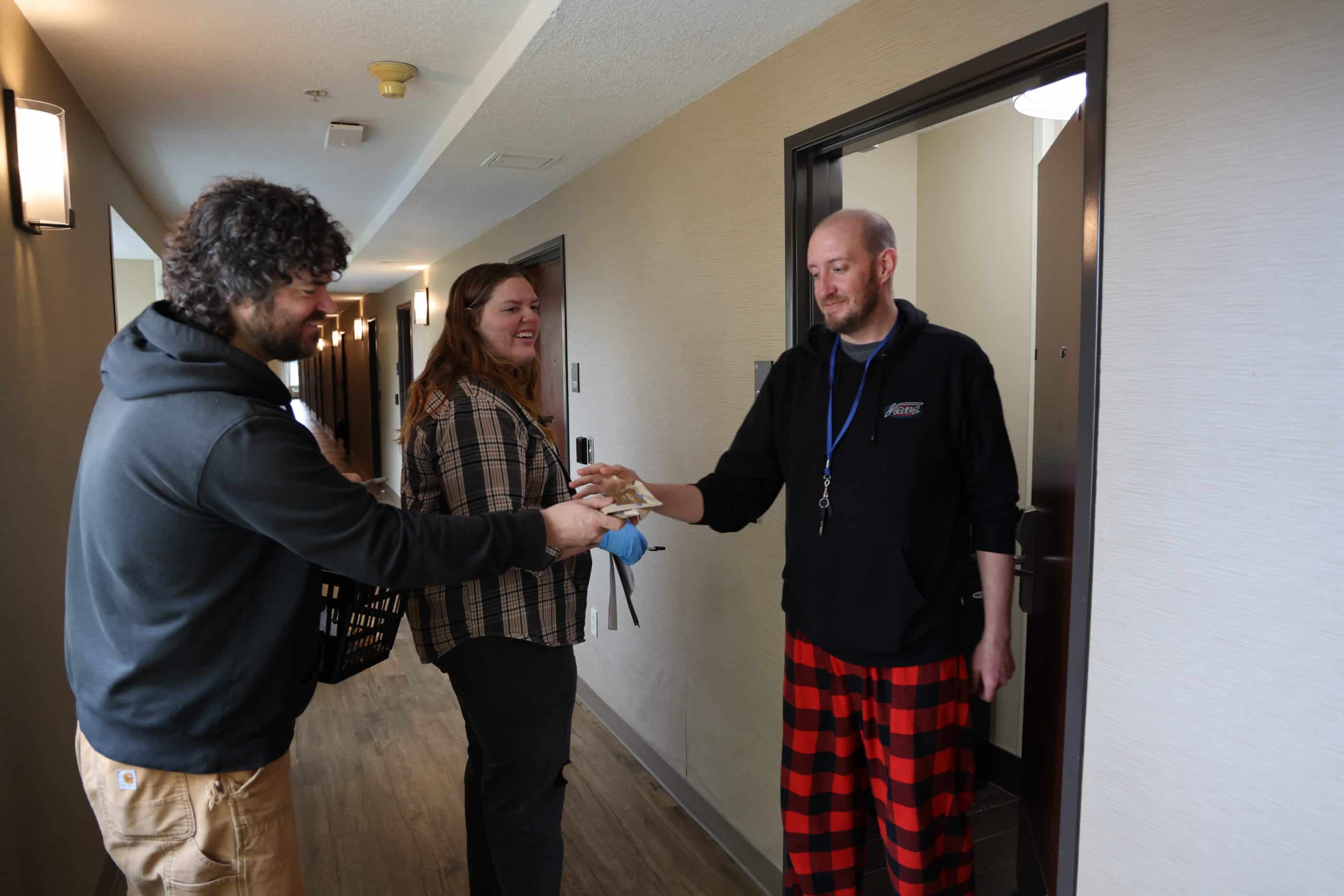
  • A white man with curly hair and a short beard, wearing a black sweatshirt and tan Carhartt pants, hands supplies to a white man with a close-shaved head and short beard, wearing a black Vans sweatshirt, and checkered red-and-black pajama pants. They are standing in the interior doorway of an apartment in what appears to be a residential building. A white woman with strawberry-blonde hair, wearing a checkered shirt and dark pants, stands behind them, holding a pen and papers in her hands.

    Unsupported Housing: When Stability Isn’t Enough

    June 16, 2026

    As the country’s mental health, substance use, homelessness, and affordability crises collide, traditional affordable housing providers say they’re being pushed to fill the gaps left by underfunded supportive systems—without the money, staff, or resources to do so.