
Community Development Field

Awesome Choice: Shelley Poticha to Take Sustainability Post at HUD

Wow. Only a week after I wrote a post celebrating how well the Obama administration seems to be getting its act together on smart growth and sustainability, they have done […]

Wow. Only a week after I wrote a post celebrating how well the Obama administration seems to be getting its act together on smart growth and sustainability, they have done it again. My friend Shelley Poticha has accepted a senior position at HUD, where she will be a sustainability advisor and, likely soon, director of the agency’s Office of Sustainable Housing and Communities. (I write “likely” because there is legislation in the works to create the office.)

Shelley and I co-founded LEED-ND together, were among the founders of Smart Growth America together, and even wrote a book together. And I am excited to see that this association has not hurt her career in the least! Shelley is wise, pragmatic, insightful, committed, and articulate, and the administration has really, really done well to get her.

From HUD’s press release:

SHELLEY POTICHA APPOINTED AS HUD SENIOR ADVISOR FOR SUSTAINABLE HOUSING AND COMMUNITIES

“WASHINGTON – The U.S. Department of Housing and Urban Development today announced that Shelley Poticha has been appointed Senior Advisor for Sustainable Housing and Communities.

“‘Shelley will help lead HUD’s effort to change the way we think about our communities,’ said HUD Secretary Shaun Donovan. ‘Her wealth of experience will help move us forward in creating sustainable, greener and smarter communities.’

“HUD is working with Senate Banking Committee Chairman Chris Dodd (D-CT) on legislation that seeks to create the Office of Sustainable Housing and Communities at HUD. Poticha will direct the office if the bill becomes law.

“Poticha currently serves as the President and CEO of Reconnecting America, where she has become a national leader for the reform of land use and transportation planning and policy with the goal of creating more sustainable and equitable development. Her efforts have stimulated a national conversation about the role of transit in shaping communities and the importance of building diverse and inclusive neighborhoods . . .”

Go here for the full release. For Reconnecting America’s announcement and release, go here.

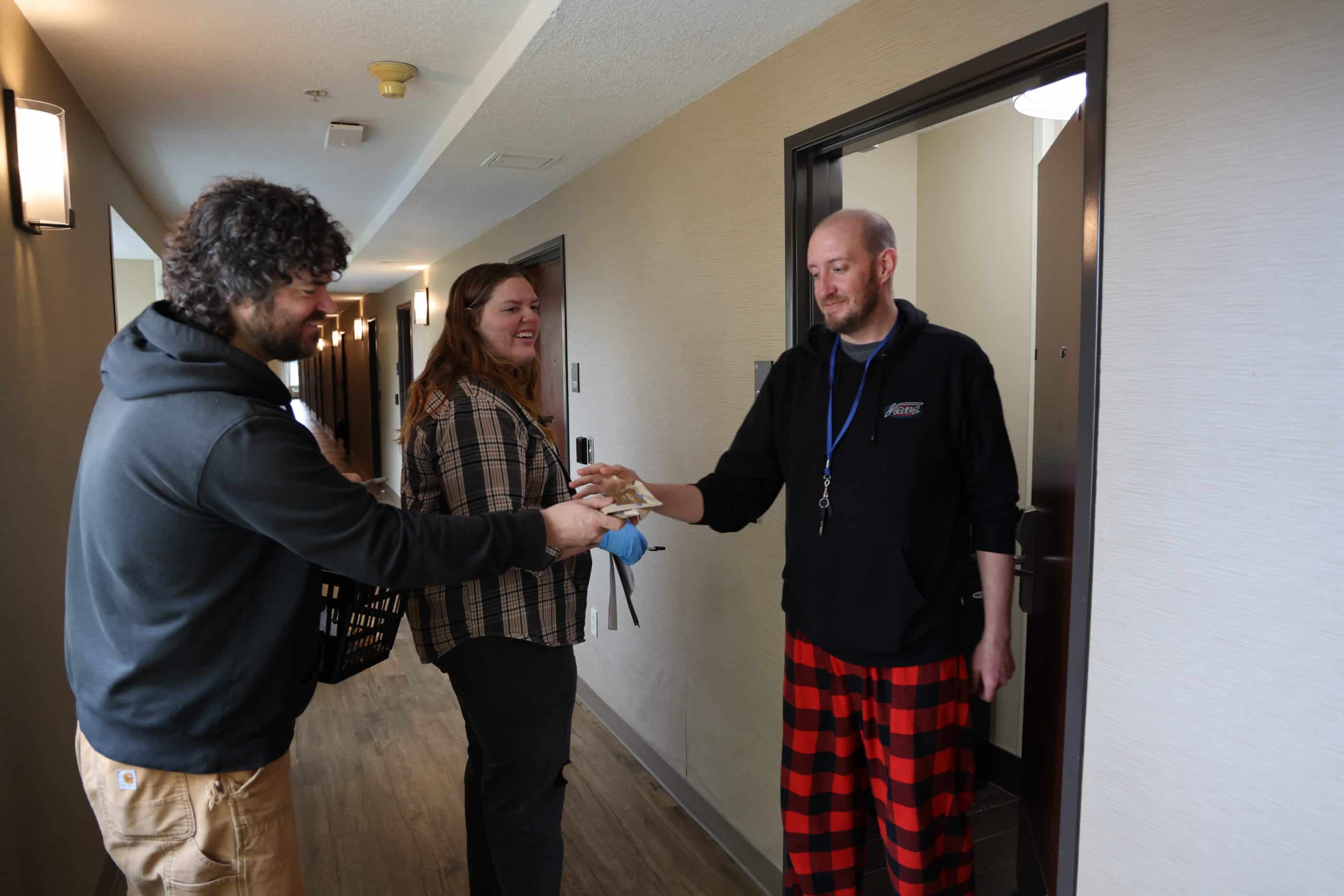
  • A white man with curly hair and a short beard, wearing a black sweatshirt and tan Carhartt pants, hands supplies to a white man with a close-shaved head and short beard, wearing a black Vans sweatshirt, and checkered red-and-black pajama pants. They are standing in the interior doorway of an apartment in what appears to be a residential building. A white woman with strawberry-blonde hair, wearing a checkered shirt and dark pants, stands behind them, holding a pen and papers in her hands.

    Unsupported Housing: When Stability Isn’t Enough

    June 16, 2026

    As the country’s mental health, substance use, homelessness, and affordability crises collide, traditional affordable housing providers say they’re being pushed to fill the gaps left by underfunded supportive systems—without the money, staff, or resources to do so.

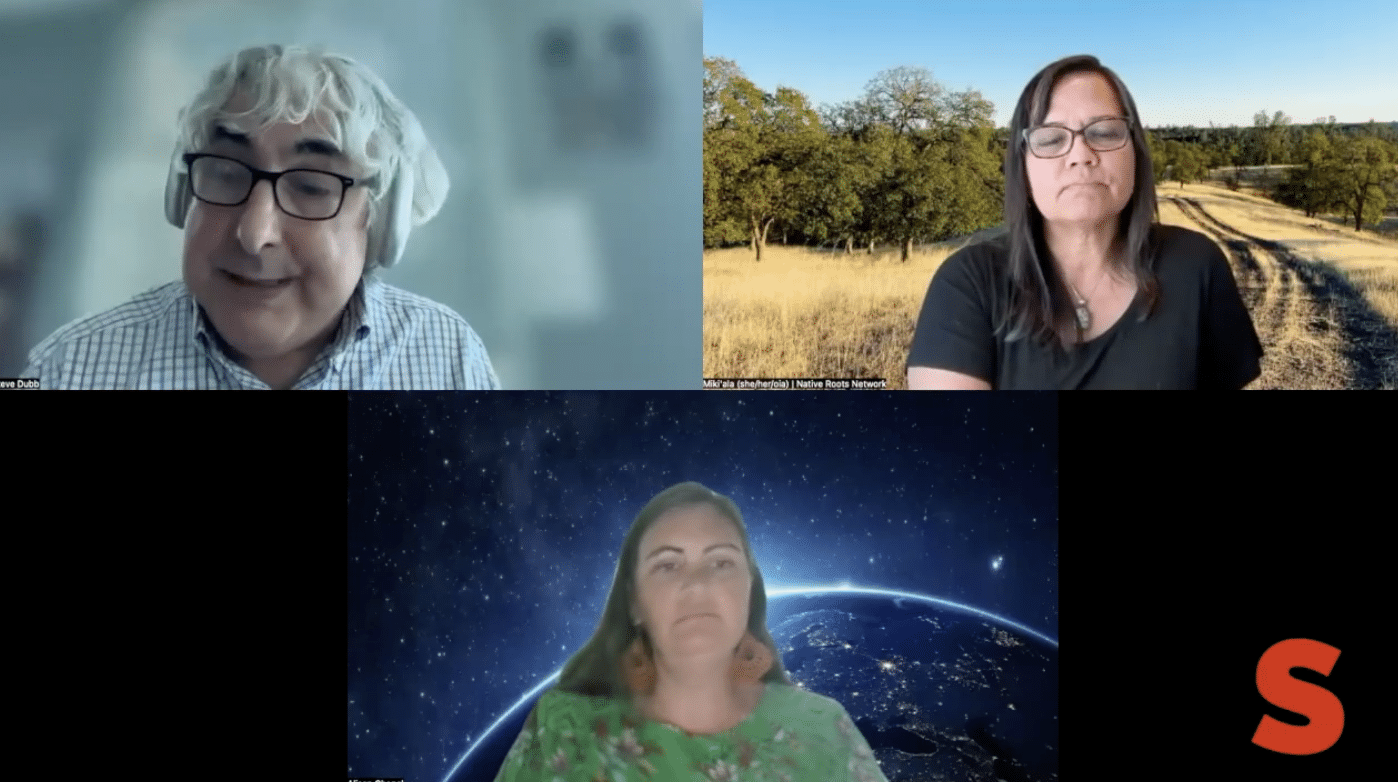
  • A webinar screenshot of three people. In the top-left corner is a white man with gray hair and dark eyebrows; he is wearing headphones, glasses, and a checkered shirt, and his background is blurred. In the top-right corner is a Hawaiian woman with dark hair; she is wearing glasses and a black t-shirt, and she is set against a screensaver of a tree-lined field. On the bottom is a white woman with brown hair; she is wearing a green floral top and large earrings, and she is set against a screensaver background of the earth viewed from space.

    What Does a Solidarity Approach to Housing Look Like? A Shelterforce Webinar

    June 10, 2026

    In this webinar, we examine what a solidarity economy approach is, what its principles are, how these principles are being applied presently, and how they might be applied more broadly to support housing justice and transformative economic change.

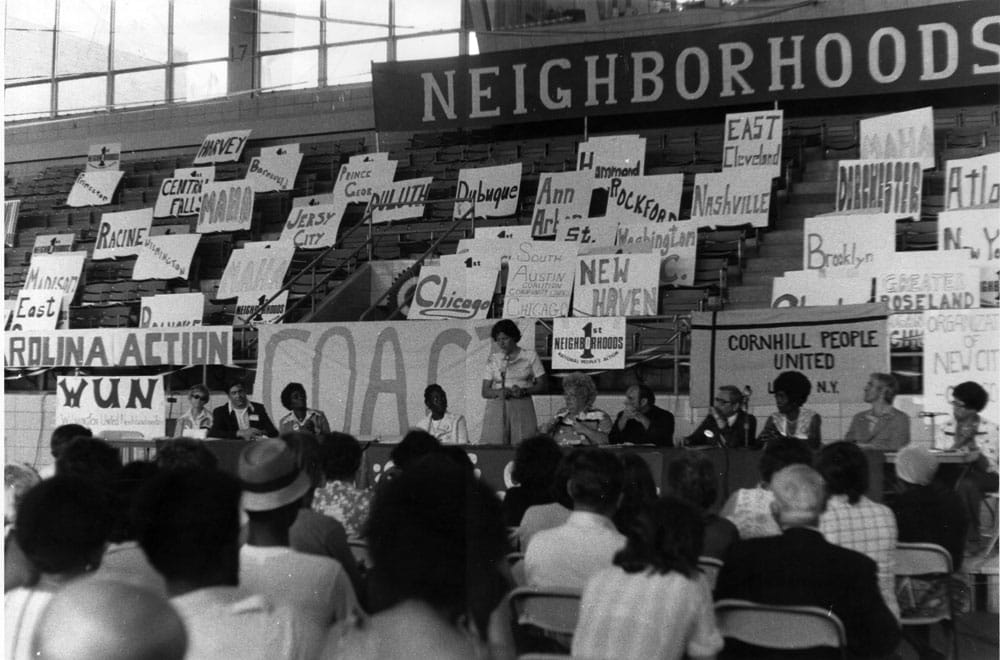
  • Unlikely Partners: How Neighborhood Housing Services of Chicago Came to Be

    June 4, 2026

    In the 1970s, anti-redlining movements were in full swing and the idea that activists, lenders, and elected officials could share power to revitalize communities and advance homeownership felt like a reach. But that was exactly my charge.