Organizing

Chicago Factory Occupation Victory Is Only The Beginning

In the past few days we’ve seen news of 3,500 jobs to be lost by the closing of U.S. Steel facilities in Illinois, Michigan and Minnesota; a fan factory laying […]

In the past few days we’ve seen news of 3,500 jobs to be lost by the closing of U.S. Steel facilities in Illinois, Michigan and Minnesota; a fan factory laying off 164 workers in Wisconsin; and thousands of auto industry lay-offs still expected, just a few examples of the steady drumbeat that has defined recent months.

But in Chicago, where de-industrialization and off-shoring of manufacturing has characterized the city over the past few decades, there is now a feeling of hope bubbling up among workers.

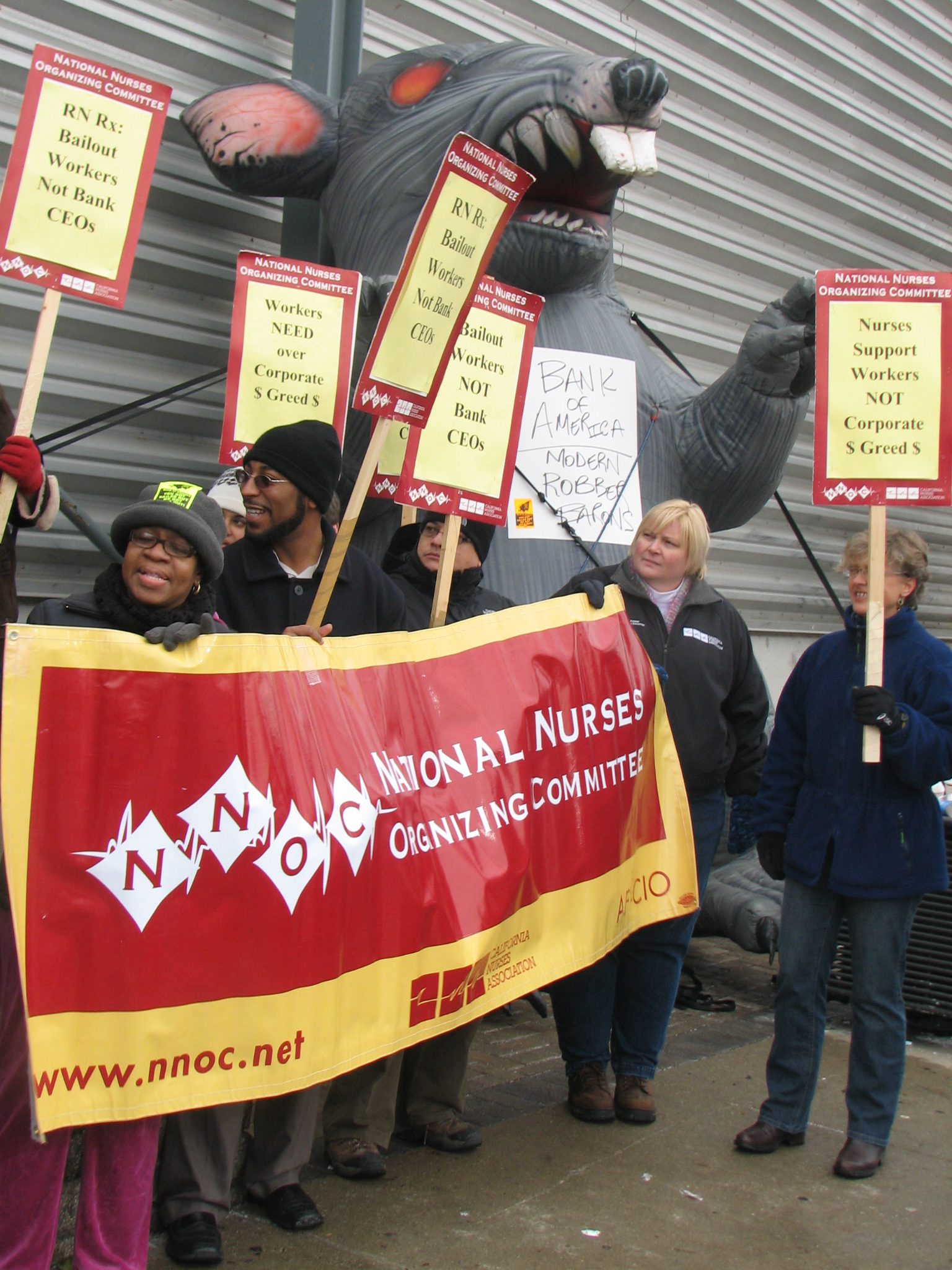
That is thanks to the roughly 250 workers at a window factory that closed abruptly on December 5, who received only three days notice and no severance pay or compensation for accrued benefits. In what became an international story, the workers occupied the factory for six days and refused to let machinery or inventory be moved until they were paid what was due.

Bank of America and JP Morgan Chase ended up extending $1.75 million to the company to pay workers. But they are not stopping there — rather than taking the money and running, they are trying to keep the factory open.

The struggle has gained massive support in Chicago and beyond. You can read about the history and context and the still unfolding story on my blog, which will be the basis for a book published by Melville House books this spring.

As union local president Armando Robles said at a fund-raiser for the “Window of Opportunity’: fund on December 15, “This isn’t the end of a battle since we got the money. This is only the beginning.”

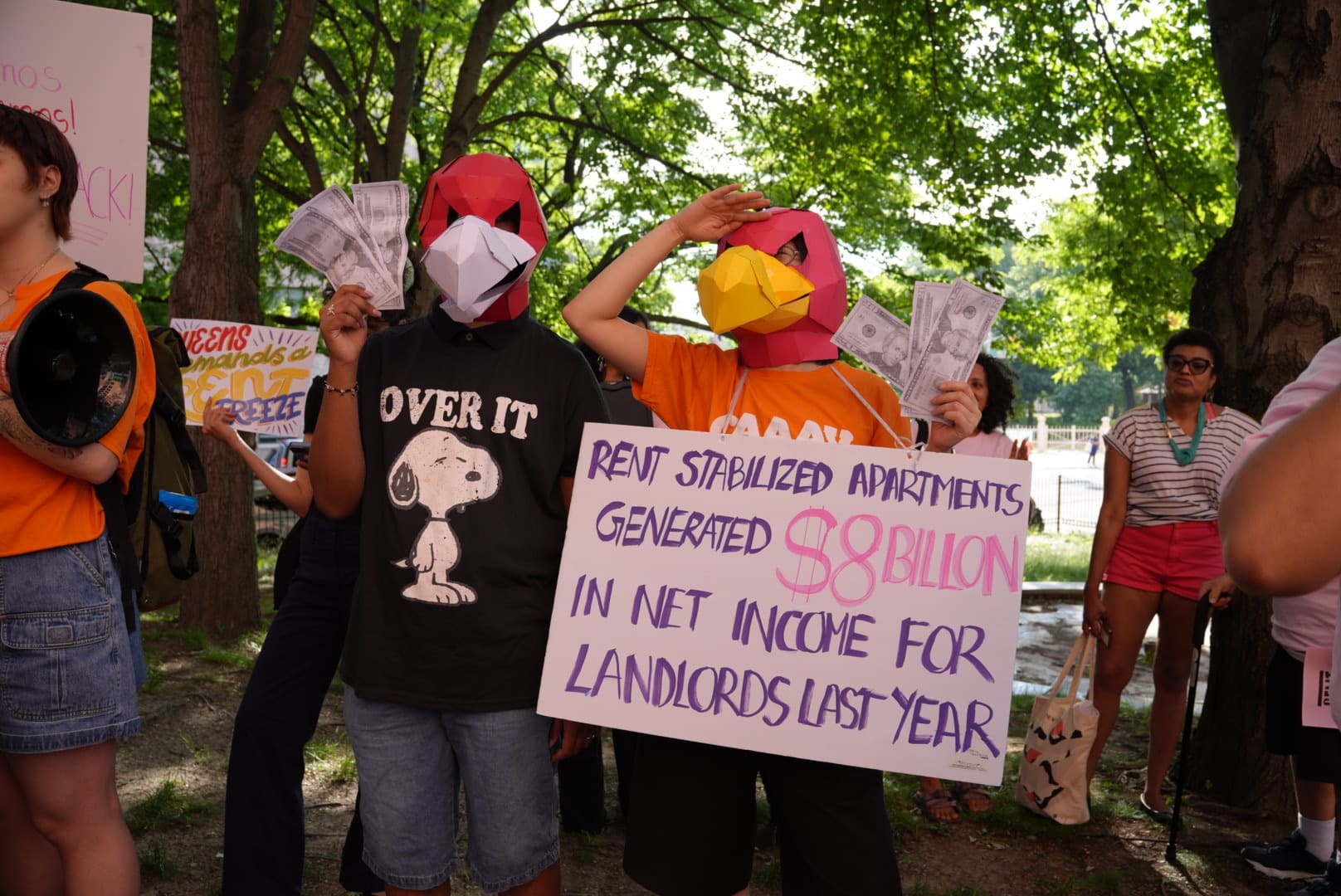
  • Two people with paper bird masks hold dollar bills. One wears a sign that says "Rent stabilized apartments generated  billion in net income for landlords last year."

    Are NYC’s Rent-Stabilized Buildings Really in Crisis?

    June 24, 2026

    A two-year rent freeze, affecting about 1 million rent-stabilized apartments in New York, was just approved. Before the freeze passed, landlords said their buildings wouldn’t survive it. But recent analyses suggest the real culprit behind distressed buildings is predatory equity, not rent stabilization.

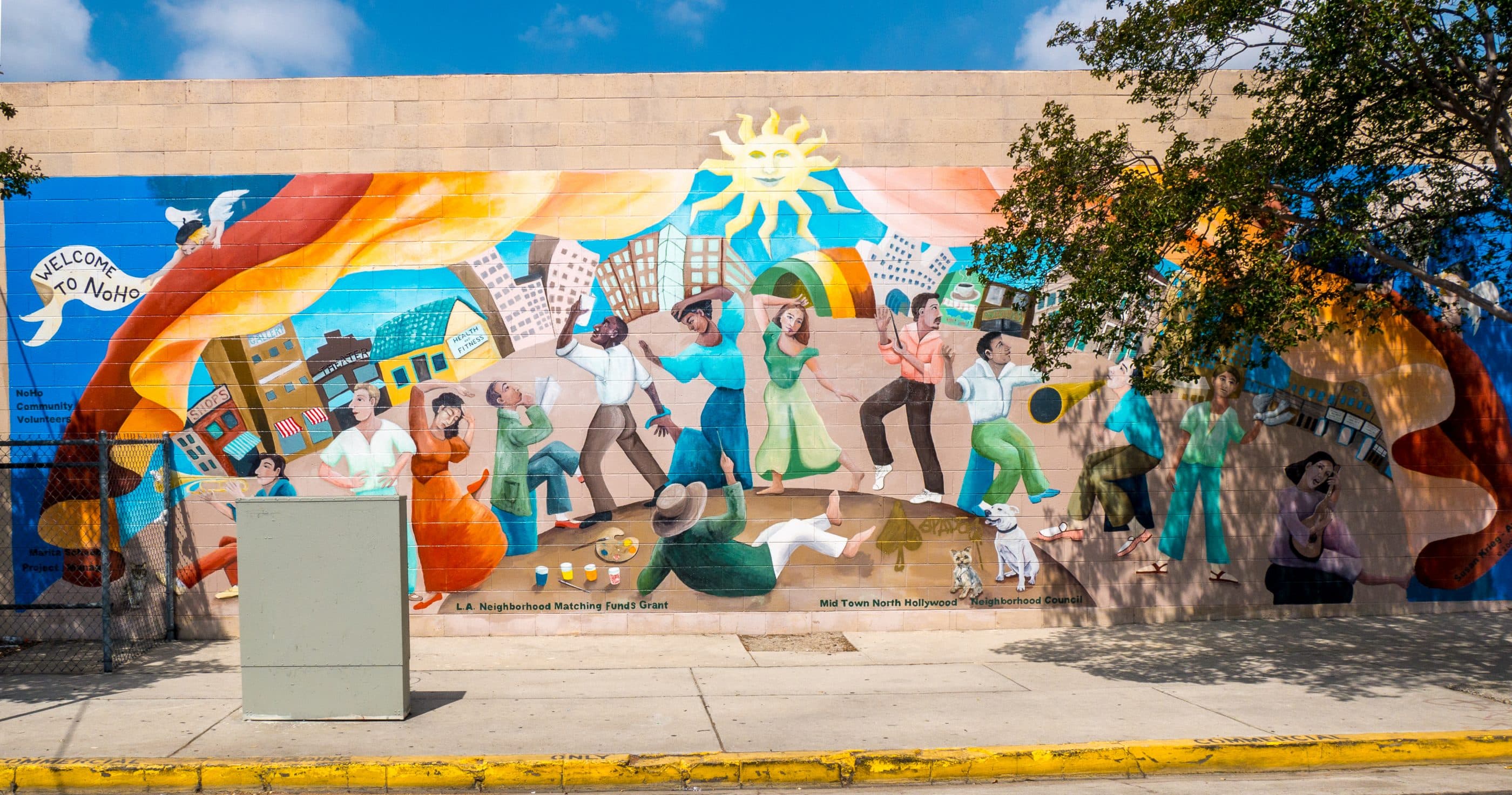
  • A large, colorful mural painted on the exterior of a building. It says "WELCOME TO NOHO" in capital letters and depicts people of different ages, genders, races, and ethnicities dancing and playing music in front of different types of housing and community buildings, including apartment buildings, a health and fitness center, a theater, and a gallery. The building is set back from a public sidewalk, and part of a tree shades the right-hand side of the mural.

    How State Coalitions Are Advancing Community Ownership of Housing

    June 19, 2026

    In recent years, housing coalitions promoting community land trusts and real estate cooperatives have formed in multiple cities and states—and they are achieving results. Nonetheless, a lot of work is needed to achieve the policy changes these groups desire.

  • A webinar screenshot of three people. In the top-left corner is a white man with gray hair and dark eyebrows; he is wearing headphones, glasses, and a checkered shirt, and his background is blurred. In the top-right corner is a Hawaiian woman with dark hair; she is wearing glasses and a black t-shirt, and she is set against a screensaver of a tree-lined field. On the bottom is a white woman with brown hair; she is wearing a green floral top and large earrings, and she is set against a screensaver background of the earth viewed from space.

    What Does a Solidarity Approach to Housing Look Like? A Shelterforce Webinar

    June 10, 2026

    In this webinar, we examine what a solidarity economy approach is, what its principles are, how these principles are being applied presently, and how they might be applied more broadly to support housing justice and transformative economic change.