Organizing

Why Has Palin Cooled Toward ARDOR?

Let’s take a closer look at GOP vice presidential candidate Sarah Palin’s record on community organizing. It seems, as I said in my previous Rooflines post, that she was for […]

Let’s take a closer look at GOP vice presidential candidate Sarah Palin’s record on community organizing.

It seems, as I said in my previous Rooflines post,
that she was for community organizing before she was against it.

From the State of Alaska Commerce Department’s Web site, more information about ARDOR, the program in which Palin participated as mayor of Wasilla:

The ARDOR program is based on the notion that locally driven initiatives, in partnership with the State, can most effectively stimulate economic development and produce healthy, sustainable local economies.

The ARDORs are intended to:

  • enable communities to pool their limited resources, and work together on economic development issues;
  • develop partnerships among public, private and other organizations,
  • offer a technical, nonpartisan capacity to develop and implement an economic development strategy,
  • often have extensive experience with federal/State programs, and
  • provide needed technical assistance via direct links with local citizens.

The Republican convention’s speechwriters obviously didn’t do any more vetting of Palin’s background than the McCain campaign did. After all, they fed her a punchline put-down of organizing, despite her past support for the work.

And she spewed it dutifully, ever faithful to the “mission” she’s accepted from McCain’s campaign.

Will someone in the campaign press corps PLEASE press the McCain/Palin handlers on this bit of newspeak?

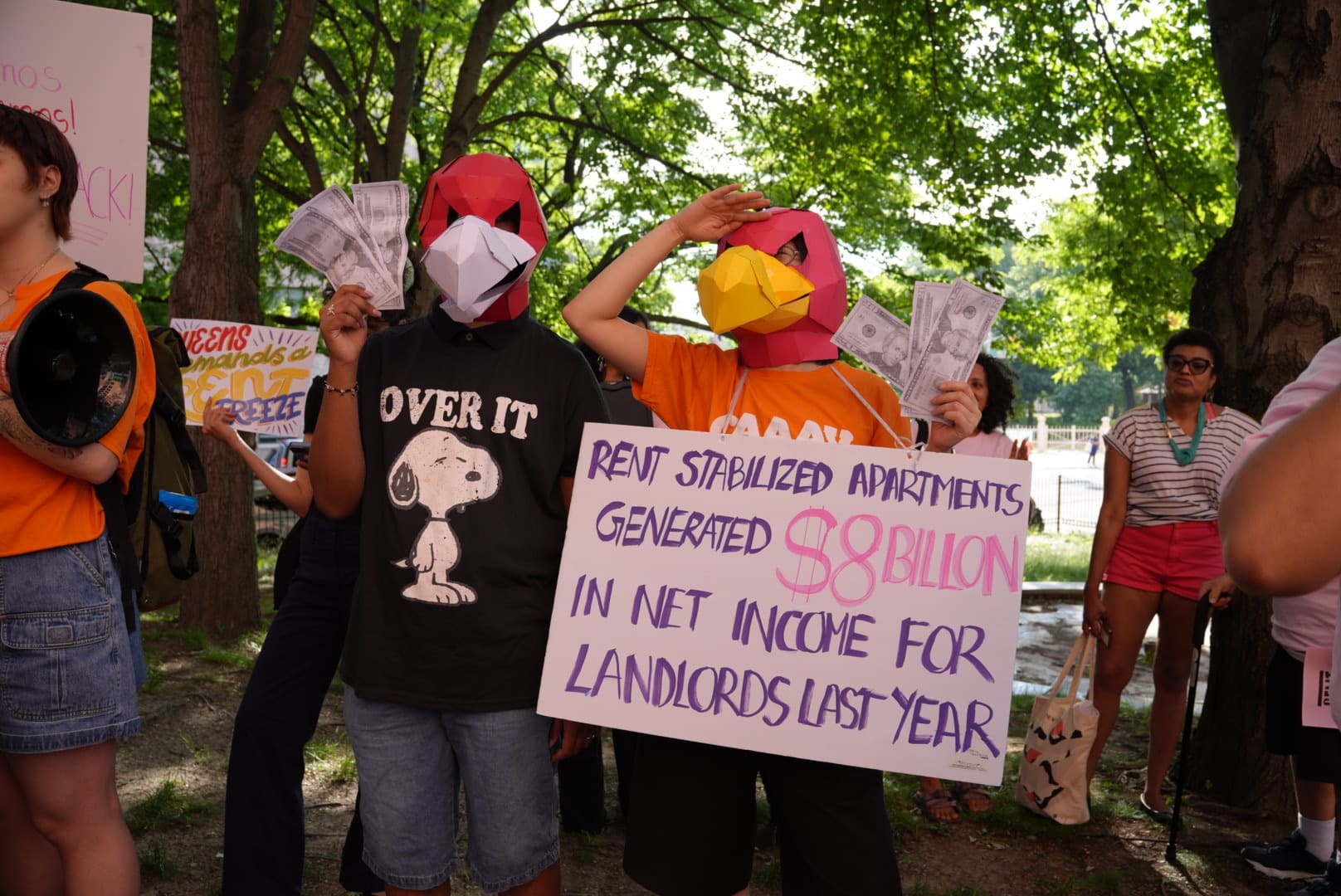
  • Two people with paper bird masks hold dollar bills. One wears a sign that says "Rent stabilized apartments generated  billion in net income for landlords last year."

    Are NYC’s Rent-Stabilized Buildings Really in Crisis?

    June 24, 2026

    A two-year rent freeze, affecting about 1 million rent-stabilized apartments in New York, was just approved. Before the freeze passed, landlords said their buildings wouldn’t survive it. But recent analyses suggest the real culprit behind distressed buildings is predatory equity, not rent stabilization.

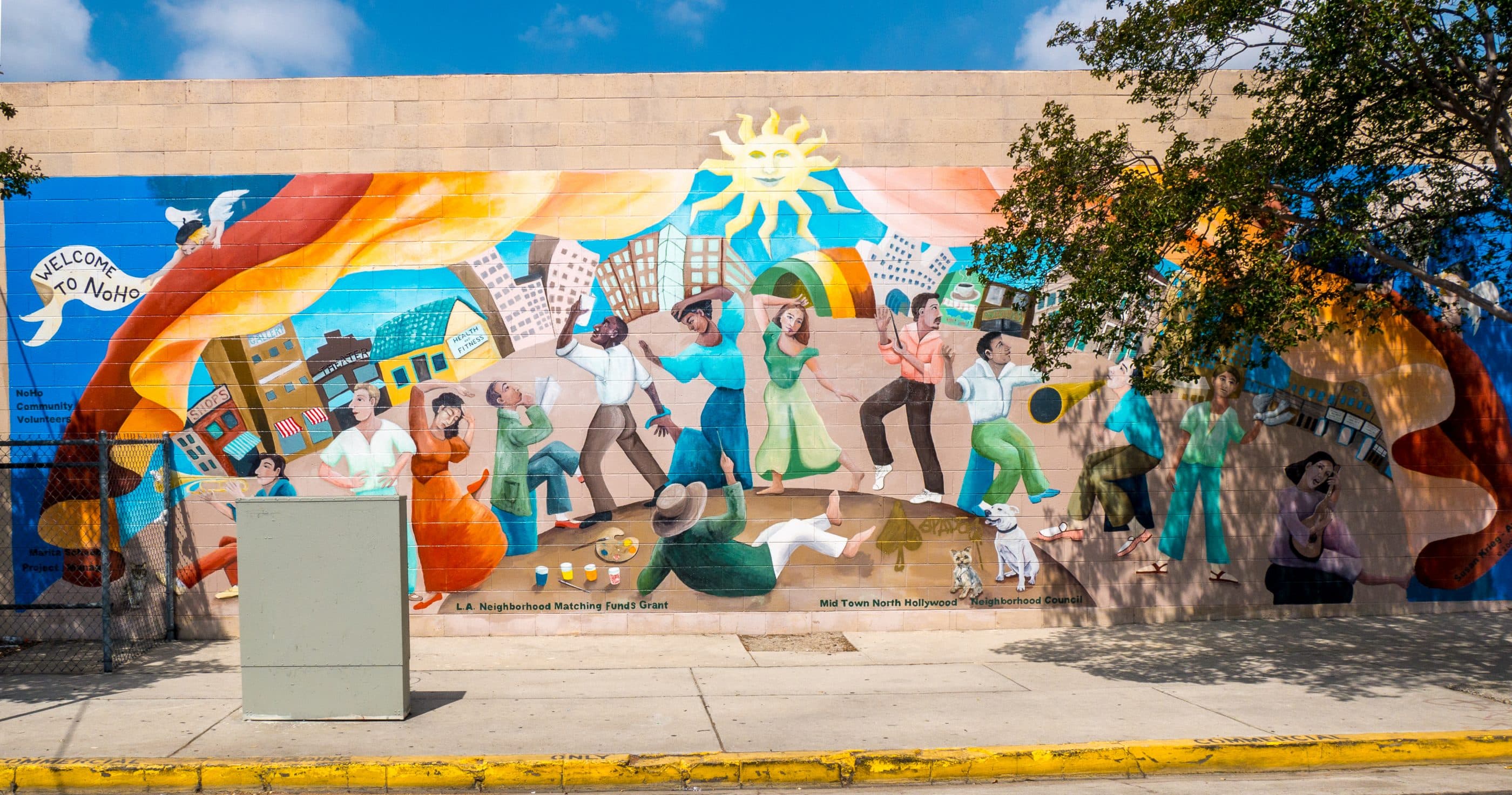
  • A large, colorful mural painted on the exterior of a building. It says "WELCOME TO NOHO" in capital letters and depicts people of different ages, genders, races, and ethnicities dancing and playing music in front of different types of housing and community buildings, including apartment buildings, a health and fitness center, a theater, and a gallery. The building is set back from a public sidewalk, and part of a tree shades the right-hand side of the mural.

    How State Coalitions Are Advancing Community Ownership of Housing

    June 19, 2026

    In recent years, housing coalitions promoting community land trusts and real estate cooperatives have formed in multiple cities and states—and they are achieving results. Nonetheless, a lot of work is needed to achieve the policy changes these groups desire.

  • A webinar screenshot of three people. In the top-left corner is a white man with gray hair and dark eyebrows; he is wearing headphones, glasses, and a checkered shirt, and his background is blurred. In the top-right corner is a Hawaiian woman with dark hair; she is wearing glasses and a black t-shirt, and she is set against a screensaver of a tree-lined field. On the bottom is a white woman with brown hair; she is wearing a green floral top and large earrings, and she is set against a screensaver background of the earth viewed from space.

    What Does a Solidarity Approach to Housing Look Like? A Shelterforce Webinar

    June 10, 2026

    In this webinar, we examine what a solidarity economy approach is, what its principles are, how these principles are being applied presently, and how they might be applied more broadly to support housing justice and transformative economic change.