


Ronald Reagan famously said the government is the problem, not the solution, and touted the importance of our civil society.
Now we hear the party of Reagan touting government experience over that of community organizers — the people who strengthen our civic and religious institutions. Never mind that they simultaneously deride Obama for wanting to “grow government.” Consistency is definitely not the hallmark of the ugly wedge politics on display among the GOP faithful at their national convention in St. Paul this week.
On Wednesday evening, Rudy Giuliani warmed up the crowd by delivering a sneering attack in which he derided Obama’s community-organizing work — “He worked as a community organizer. What?” — and then declared, “This is not a personal attack … it’s a statement of fact — Barack Obama has never led anything. Nothing. Nada.”
It culminated in Sarah Palin’s acceptance speech, in which she declared coyly, “I guess a small-town mayor is sort of like a ‘community organizer,’ except that you have actual responsibilities.”
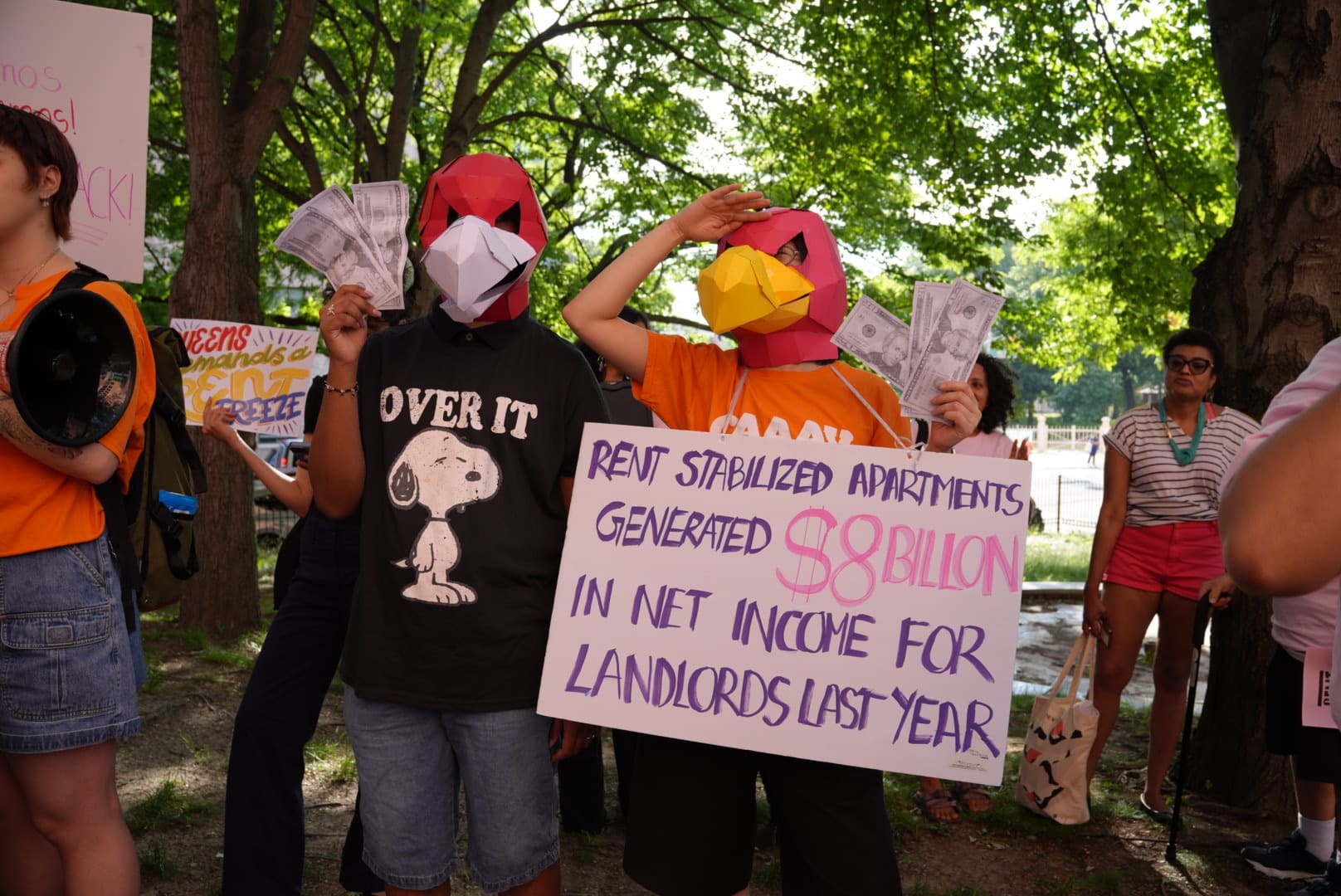
With one sentence she denigrated the thousands of community organizers who encourage average citizens to participate in shaping their community.
Community organizers provide ordinary people with the confidence to help make their community work, help mayors govern our collective destiny. They make it possible for Americans to find their civic voice so that they can participate in American politics.
As former Sen. Bill Bradley once said:
American civilization is like a three-legged stool, with government and the private sector being two legs and the third leg civil society… The market is governed by the logic of economic self-interest, while government is the domain of laws with all their coercive authority. Civil society, on the other hand, is the sphere of our most basic humanity. And love.
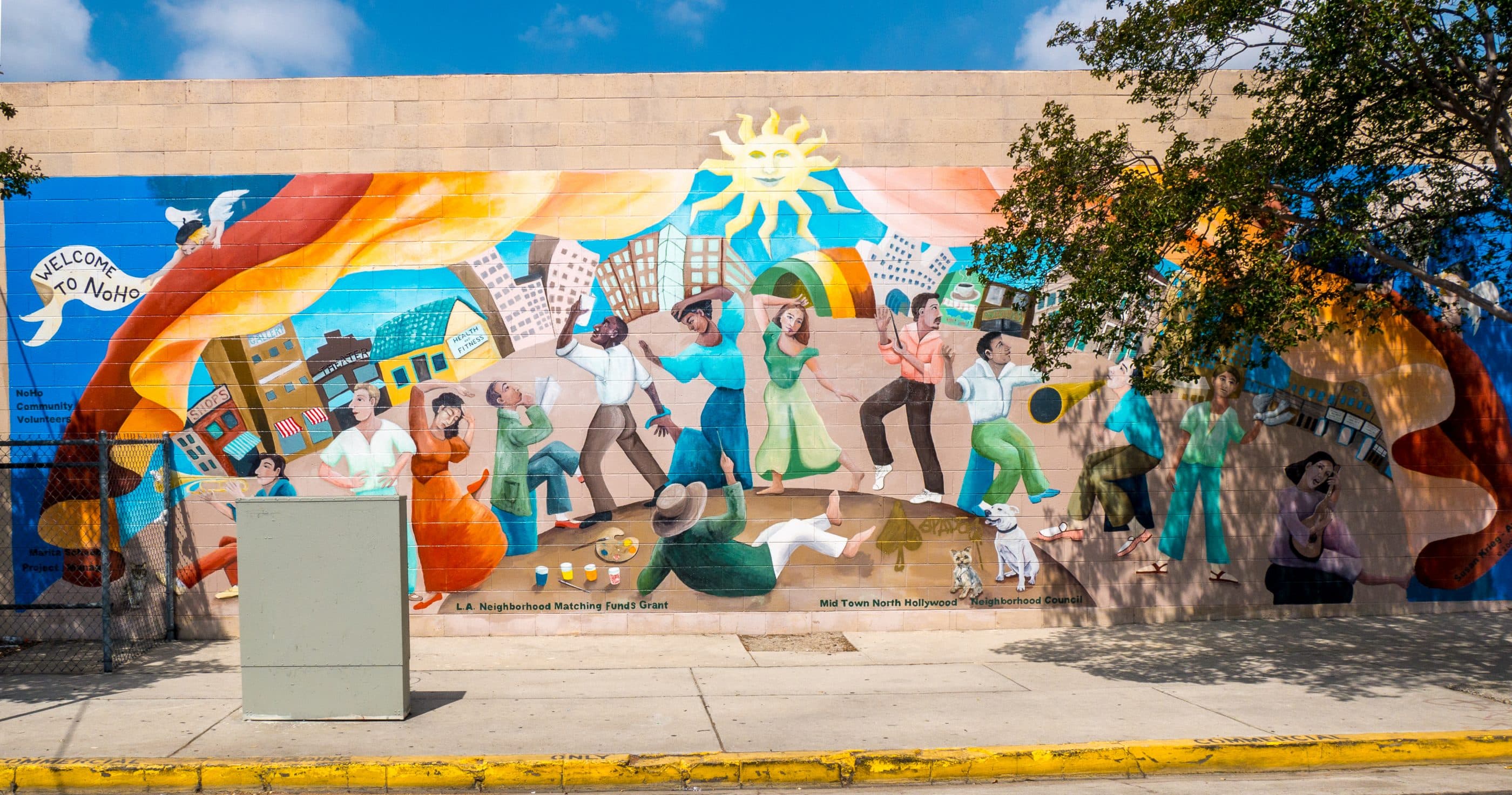
Community organizers are the people who set up the PTAs and plan school benefits. They force a city to put up a stop sign at a dangerous intersection, and make sure the church or synagogue can shelter the homeless. They organize crime-watch groups, housing groups, and hockey leagues so that people like Palin can participate with their children. Community organizers build the non-government groups that not only teach people how to solve community problems, but they make our society more civil, a value unknown to the Republican Party.
The genius in America does not lie with our mayors, small town or big city, but with our community organizers who teach us collaborative problem-solving, shore up our core religious and governmental institutions, and make sure laws designed to end discrimination, like the Community Reinvestment Act, are enforced by government regulators.
Instead of trashing community organizers, our elected leaders should be lauding them and helping them to act as a rudder to steer public policies in the direction that will revitalize our communities and bolster our families.
About the Author

Thank you John, for your response. I would like to make one comment to this article, and that is in regards to statement, “Community organizers provide ordinary people with the confidence to help make their community work”. I believe people have the confidence, but community organizers make the connections between people (from citizens, to mayors, to CEOs) to make it work, in turn creating a more inclusive and representative civic voice.