


Interview
The Latest

Legacy, Stability, and the Arts: The CLT Keeping Bay Area Artists Housed
Through its bequests and aging in place program, financial education offerings, and more, Artist Space Trust works to stabilize Bay Area artists in their communities.
Search & Filter Within this Topic
filter by Content Type
filter by Date Range
search by Keyword

Landlords Don’t Have to Control Security Deposits
The UK saw a dramatic change in landlord behavior once security deposits were put into the hands of a third party.
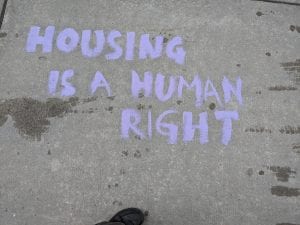
Housing Solutions—Centering Community in Ownership, Control, and Long-Term Affordability
How is community control of housing realized? We explore different community ownership structures, how tenants form a cooperative, and how larger housing nonprofits can incorporate residents into decision-making.

Chicago Changes How It Allocates Tax Credits to Improve Racial Equity
How did the Windy City expand the idea of advancing racial equity through low-income housing tax credits beyond where affordable housing is built?
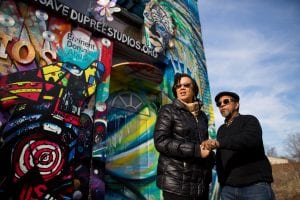
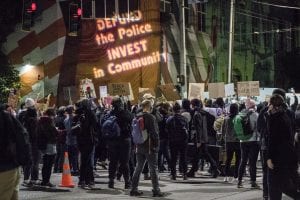
Community-Police Partnerships After George Floyd
An interview with Mona Mangat, vice president of safety and justice initiatives at LISC. We talked with Mona Mangat, vice president of safety and justice initiatives at LISC,
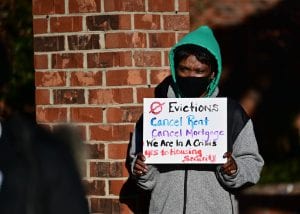
Fixing the Harms of Our Eviction System: An Interview with Emily Benfer
Emily Benfer talks about what needs to change in our housing and eviction systems—not just now, but once the pandemic is past, the connections between health and housing, and how she came to be a go-to voice on the eviction crisis.
“Why Would a Hospital Do This?” Shifting Institutional Culture for Health Equity
Hanaa Hamdi is the director of health impact investment strategies and partnerships at New Jersey Community Capital, the state’s largest CDFI. Michellene Davis is the executive vice president and chief […]

Duluth Indigenous Groups Reframe Climate Work in Cultural Context
While many conversations about climate resiliency are well-intentioned, they often lack a perspective grounded in community control and cultural context. In this interview, Ivy Vainio and LeAnn Littlewolf from the American Indian Community Housing Organization explore how gardens, worm bins, and solar panels help reclaim agency for Duluth’s Indigenous communities.
Racial Equity, Housing, and COVID: A Roundtable
Six regional and state housing advocates discuss the connections between uprisings over racial injustice, the pandemic, and the need for housing security.

The Case for Letting Developers Pay, Not Build
The question of integrating affordable housing units required by inclusionary zoning on-site versus allowing developers to pay a fee to locate them off-site has long been a contentious one.

Harm Reduction Policing?
Shelterforce spoke with 2019 MacArthur fellow Lisa Daugaard about how her work in homelessness set her on her path, and how diversion programs can build political will to increase support for affordable housing and public health.

Youth Soccer on Transit Land
For the last 30 years, Atlanta nonprofit Soccer in the Streets has been removing the cost barrier to soccer by offering free programs and uniforms. Two years ago, it increased access to the sport by constructing soccer fields on unused land owned by the city’s transit authority.
The Ticket to Opportunity
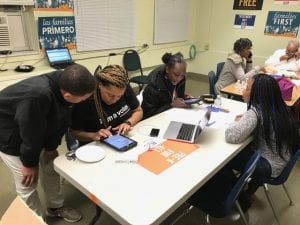
An Indianapolis-based organization successfully campaigned to bring more funding to the mass transit system in Marion County. How did the organization balance the tension between expanding rail line service and improving bus service, and ensure race was at the forefront of the conversation?