


State & Local Policy
The Latest
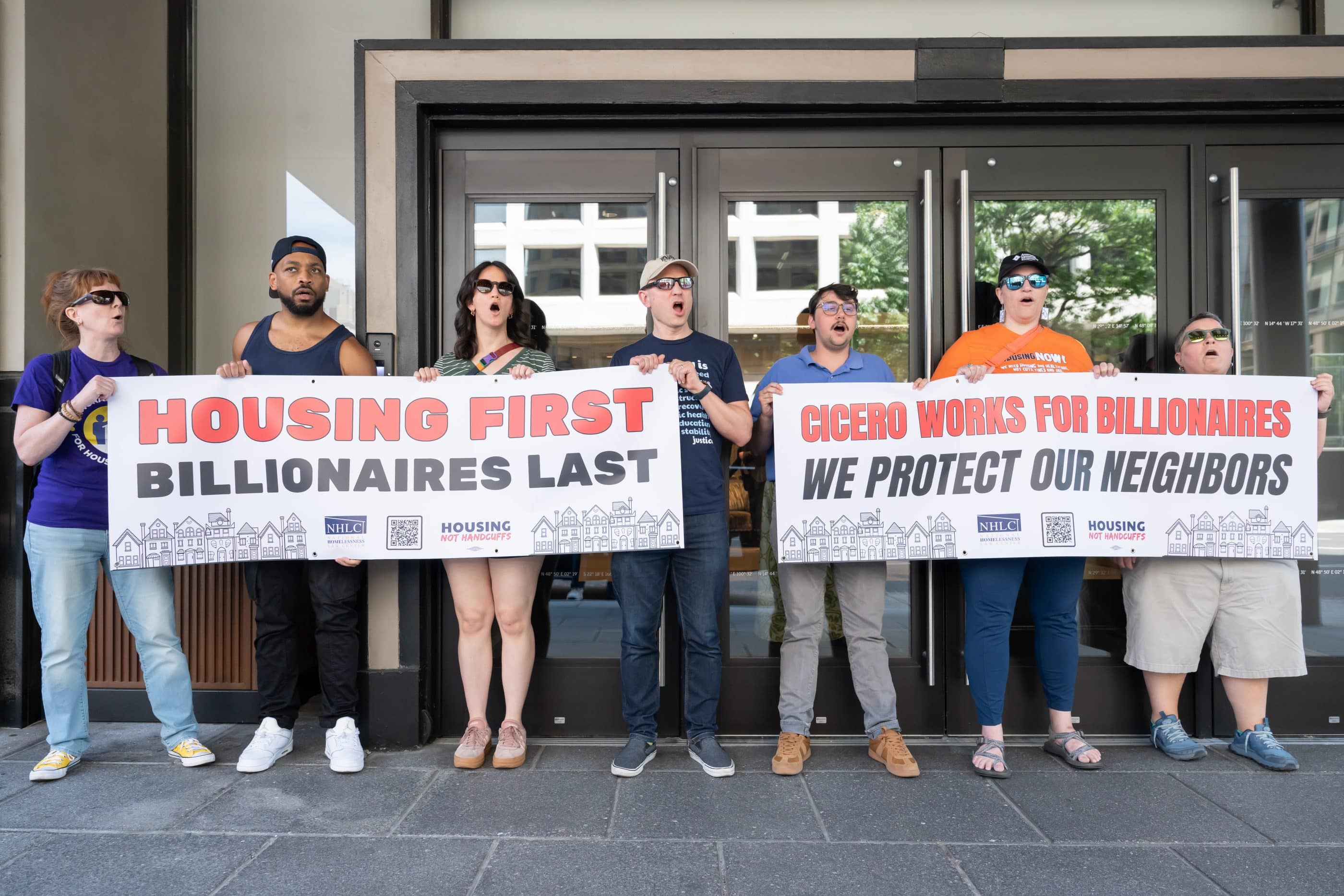
Advocates Say Money Motivates Think Tank’s Push to Criminalize Homelessness
A new report questions a billionaire-founded think tank's ties to law enforcement and surveillance—and its connections to the Trump administration.
Explore Articles in this Topic
Search & Filter Within this Topic
filter by Content Type
filter by Date Range
search by Keyword

States Can Put the Brakes on Landlord Collusion and Junk Fees
States can pursue legal remedies under anti-trust laws when landlords collude to raise rents or use deceptive practices to institute extra fees, even if the federal government backs away from these cases.

How States Can Build Housing Together: A Proposal to Create Joint Authorities
Housing markets don’t stay within state boundaries. Why should housing finance agencies?

Making Money for Housing Go Further
Housing funding programs are notoriously fragmented. One way to make limited housing dollars go further is to improve the systems that distribute them.

Are Dedicated ‘Sin Taxes’ a Useful Path for Affordable Housing Funding?
In the hunt for ways to fund affordable housing, taxes on controversial activities from gambling to short-term rentals are often appealing. Here’s how that’s been working in four communities.

How Public Banks Can Meet Public Needs
As federal funding streams face cuts, the idea of public banks is gaining ground as a tool for states and localities to finance community development.
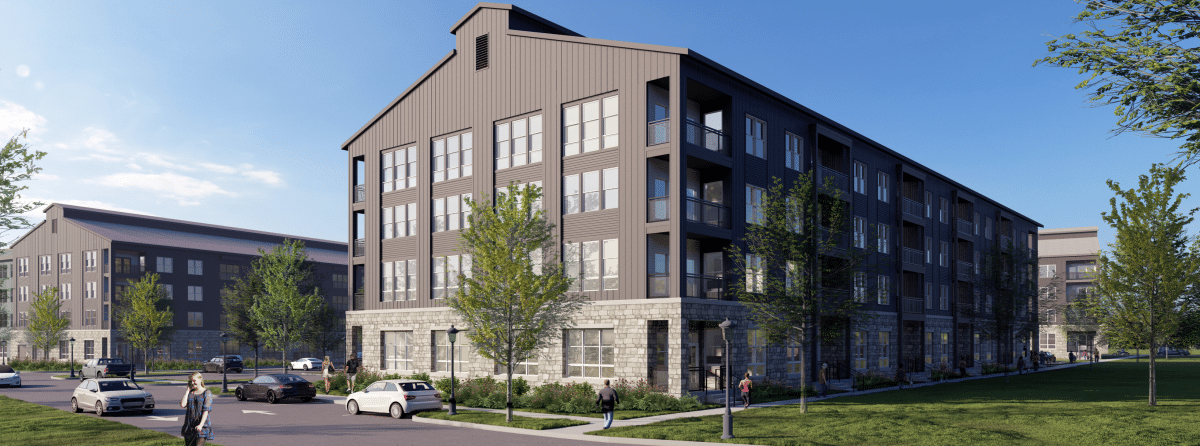
How We Rewrote a Tax Incentive to Encourage More Affordable Housing
Chattanooga, Tennessee, aligned its housing tax incentive with the actual cost of charging more affordable rents. Developers are participating.

Property Taxes Aren’t the Cause of Our Housing Crisis, They’re a Solution to It
Taxing land and buildings at different rates can discourage land speculation and encourage housing development.

Free Land, Retail Rents, and Other Ways Cities Are Cutting Reliance on Federal Housing Funds
Though the federal role will always be necessary, local governments, and developers themselves, are looking for ways to develop affordable housing with less federal subsidy. Here are some of the approaches they are trying.

Acting Locally: States, Counties, and Cities on the Front Lines
Even in challenging times, there are many actions that state and local governments can take to improve housing access and look out for their residents.

Will Tucson Take Back Its Power—Literally?
My experience with a utility shutoff led me to look more closely at who provides my city’s power. It turns out there’s a push for the city to buy out the investor-owned utility and create a public one.

NYC’s New Housing Approval Process Faces First Tests
Voters said yes to speeding up housing approvals. Now the city is putting that plan into action. While there’s excitement among affordable housing developers, some housing advocates worry the new process may quiet community voices.

Fit to Live in: From Ordinances to Outcomes in Habitability, a Shelterforce webinar
What makes a home habitable? What makes habitability laws successful? In this webinar, an organizer in New Orleans and a representative from a nonprofit working with communities across the country affected by vacancy and abandonment share their perspectives.