



Topic
Financial System
“Income is how you get out of poverty; assets are how you stay out.” How do we build policies, programs, and products that reduce systematic inequality and advance financial security for all?
The Latest

Affordable Housing Financing Is Overpriced, But It Doesn’t Have to Be
Affordable housing construction finance reflects market norms, but its track record shows it’s far less risky than conventional market-rate housing loans. While lower default rates should lead to lower interest rates, they currently do not.
Explore Articles in this Topic
Search & Filter Within this Topic
filter by Content Type
filter by Date Range
search by Keyword
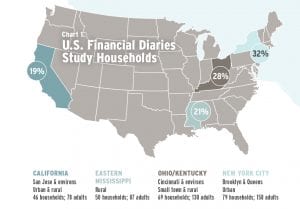
Is Financial Unsteadiness the New Normal?
A yearlong analysis of 200-plus households suggests that we should add a third leg to the financial security stool along with income and assets: cash flow.

The Ripple Effects of Income Volatility
Research shows a connection between the financial instability of families and the economic health of communities.

The Fight for Full-Time Work in San Jose
Unpredictable hours lead to unpredictable cash flow, which is a barrier to budgeting and saving. One response to this, the Opportunity to Work Initiative, would require that San Jose employers give more hours to part-time employees before hiring new staff.

Challenging the Almighty Credit Score
A majority of mainstream lenders base loan approvals on a hotly debated three-digit score. Are there better, fairer ways to assess risk?
Being “Well,” Financially
What does it take to achieve financial security for the millions of American households without it? Clearly full employment, higher wages, and a more robust safety net would be some major components. But as important as those are, they aren’t the full picture. Assets are an important counterweight to income.
Well Worth the Read
Reading What It’s Worth was like walking through one of the glorious Asset Learning Conferences that CFED organizes, equipped with a magical Harry Potter wand that allows me to stop and re-work time so I can peer into each workshop at my leisure.
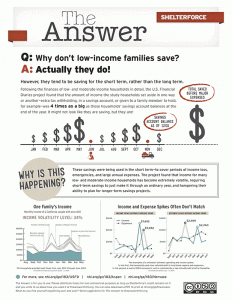
Q: Why Don’t Low-income Families Save?
A. Actually they do! However, they tend to be saving for the short term, rather than the long term.

College Bound: A Look at Children’s Savings Accounts
Children’s savings accounts for higher education, even those that have accumulated only small amounts of money, can change expectations for low-income students and they might also provide a vehicle for larger wealth transfers.

Financial Inclusion Begins With Our Tax Code
Changes to the tax code, and tax programs that support low-wage earners, will strengthen gains made in the asset-building field.
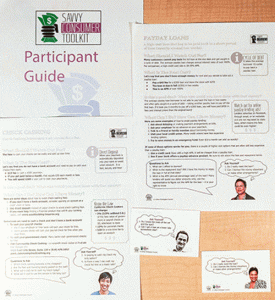
Why Financial Education Should Get Political
Financial curricula for low-income households often focus on personal choices about budgeting and saving, but if they don’t also address systemic problems, exploitation, and discrimination, they aren’t speaking to their audience’s reality.

Interview with Sheila Crowley, past president of the National Low Income Housing Coalition
Crowley has led the organization through dramatic times, keeping a focus on those with the most pressing housing need when many wanted to just talk homeownership.

Why Are Biased Banks Getting High CRA Marks from Regulators?
The Community Reinvestment Act (CRA) statute has a statement of purpose affirming that banks “are required by law to demonstrate that their deposit facilities serve the convenience and needs of […]