


Disinvestment
The Latest

Exhibition Explores Black Displacement, Creating Home in Oakland
Learn the stories of two communities where Black homes were destroyed, and see the vision community members have of a future Oakland.
Explore Articles in this Topic
Search & Filter Within this Topic
filter by Content Type
filter by Date Range
search by Keyword
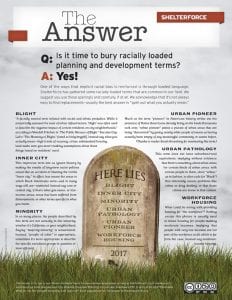
Q: Is It Time to Bury Racially Loaded Planning and Development Terms?
Shelterforce has gathered some racially loaded terms that are common in our field. We suggest you use these sparingly and carefully, if at all.

Filling Commercial Vacancies with Food Pantries
When I tell people that food pantries can be a new and innovative way to help lift up communities, they look at me as if I’m a bit out of […]
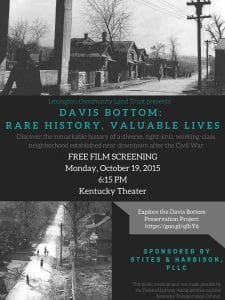
The Best Thing I Didn’t Hear All Week
I’m in Lexington, Ky., this week for the National Community Land Trust Network conference, hosted by the Lexington Community Land Trust. The Lexington CLT had an unusual start—it was created […]
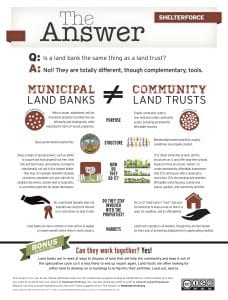
Q: Is a Land Bank the Same as a Land Trust?
A: Nope. They are totally different, though complementary tools. This chart will walk you through the differences.
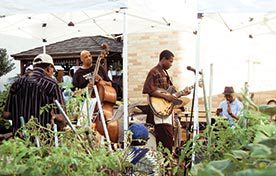
Hanging on to the Land
Community gardens and urban agriculture are crucial gathering places—and revitalizing forces—in neighborhoods with lots of vacancy and low values. But what happens to them when the market turns around?

Rethinking the Rescue
This time of economic uncertainty presents an opportunity for the community development movement to reinvent itself.

From Eyesores to Assets: CDC Abandoned Property Strategies
To save a neighborhood that’s in danger of going down, you can’t simply add new homes. You have to put the process of decline in reverse
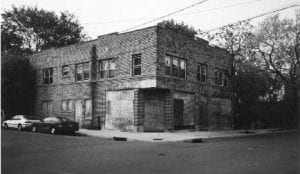
Target: Problem Properties
For 12 years the building at 151 Chapman Street (above) stood vacant on a prominent corner, a menacing landmark that attracted squatters and generated no taxes for the hard-pressed city […]