




Making Money for Housing Go Further
Housing funding programs are notoriously fragmented. One way to make limited housing dollars go further is to improve the systems that distribute them.
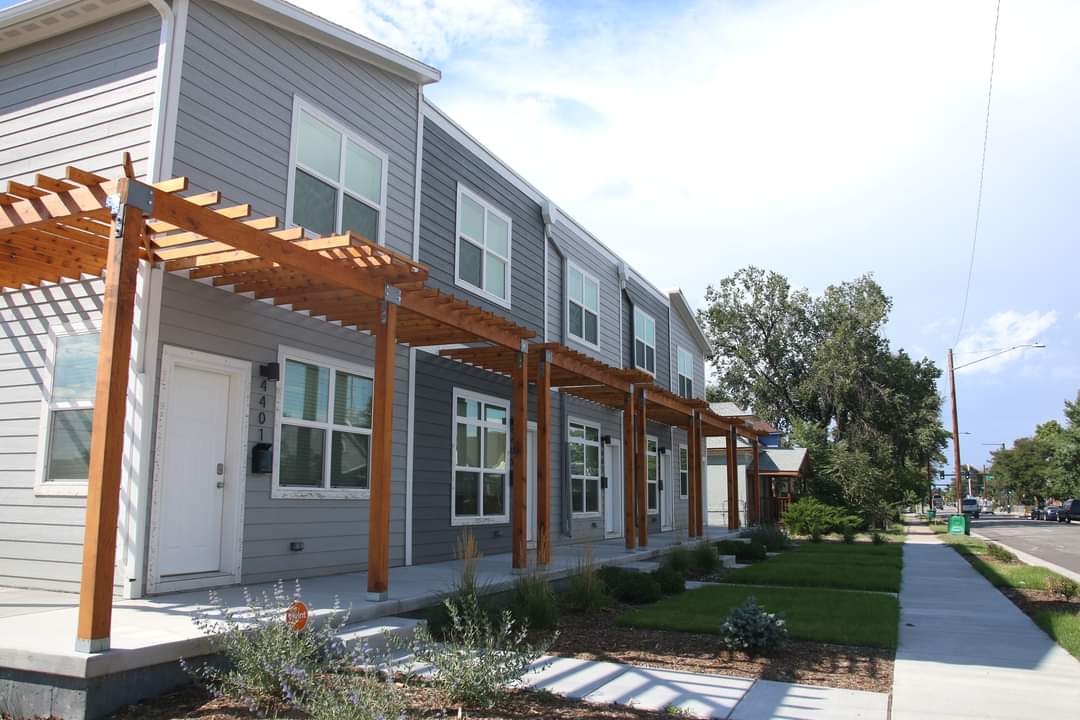
Denver Land Trust Fights Displacement Whether It Owns the Land or Not
Tierra Colectiva, a community land trust in the Denver neighborhoods of Globeville and Elyria-Swansea, combines community organizing, traditional CLT development, and more unusual roles in a large affordable housing development.

Tenant Screening: A Billion-Dollar Industry with Little Oversight. What’s Being Done to Protect Renters?
Thousands of companies offer tenant screening tools that promise to make life easier for landlords and property managers. But reports show that the data these companies use is often riddled with errors and relies on information that has no bearing on whether someone will be a good tenant.

Will This Resident Group Get Full Control of the Complex They Helped Fix?
For decades, a group of Cambodian refugees worked to improve and upgrade their Stockton, California, affordable housing complex. While they technically own half of the property, they’re still waiting for HUD to approve their full ownership. Why hasn’t it happened yet?
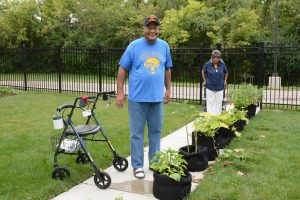
A COVID Upside: It Pushed Organizations to Do Better
During the pandemic, community development organizations had to work double-time to adapt to residents’ needs. For some, that work yielded important lessons about better helping their communities, permanently.
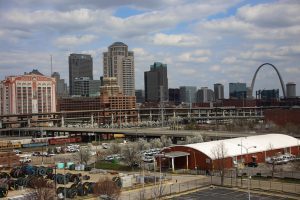
The Real Reason Why Babies at a St. Louis Public Housing Complex Weren’t Sleeping on Their Own
When a St. Louis-based group convened public housing residents to talk about infant mortality, they discovered a serious housing issue that affected tenants’ health. To the organization’s credit, they didn’t turn away from the problem.

How Tax Assessments in a Supposedly Progressive County Are Reinforcing Racism
Buncombe County in North Carolina was one of the first places in the U.S. to support reparations for Black residents. So why is the county not doing a better job of addressing property tax inequities that directly impact residents of color?

A New ‘Normal’: Nonprofits and the Next Phase of COVID
Two years after the pandemic began, community development organizations reflect on what’s changed and how they’re moving forward. Some are still in crisis mode; others are refocusing their work.
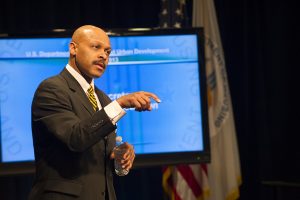
Maurice Jones on Job Creation, Community Development, and Wealth Building
Seventy-one percent of jobs that pay $40,000 and above require a four-year degree, says Maurice Jones. That requirement is “having a huge, huge adverse impact on Black talent earning their way into the middle class.”

Better, Faster, Cheaper Ways to Finance Supportive Housing
A few cities in the U.S. are addressing homelessness by experimenting with different financing vehicles that are helping to preserve and construct more supportive housing.
Rural Health Professionals Think Outside the Hospital
Could rural hospitals build on existing social services work by investing their assets to advance their communities’ health? Examples from Kansas, Vermont, Wisconsin, and Virginia show some possibilities.
During the Pandemic, Community Development Organizations Prioritize Relief and Assistance Work
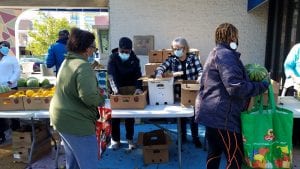
While rent relief might not be their mission, organizations are focusing on the immediate needs of residents. But with all of their staff and monetary resources being used to plug holes, some organizations believe they’re a few months or another crisis away from financial disaster.