



This article is part of the Under the Lens series
You don’t ever think about growing older until you have to. At least, that was the case for me.
It didn’t even cross my mind until after my mom moved in with my family and me in our two-bedroom apartment a couple of years before COVID started. It was only supposed to be temporary—a time when my mom could look for a new job without the added stress of monthly rent, utilities, and other expenses chipping away at what little she had left.
What I didn’t know at the time was that there was more going on beneath the surface—a health situation that would require more care, more patience, and a little more space and privacy for everyone to make it through what would soon be tough and trying times.
It wasn’t until my mom grew older that I began to think seriously about aging.
If I were lucky enough to make it to old age, would I have enough saved to cover my monthly expenses? Would I receive my full Social Security benefits? What if I got sick? What if I injured myself or became disabled and couldn’t make it up my front steps? Could I carry my laundry from the second floor to the basement? What if my memory failed? What would it all mean for my family? Who could help?
The questions flooded my mind. They still do.
None of us is truly prepared for growing older. But at some point, it’s going to touch almost all of us—if it hasn’t already. The population of older adults in the U.S. is growing fast, and in less than a decade, there will be more people age 65 and older than under age 18.
But our housing system isn’t designed to accommodate longer lifespans, changing household structures, or the growing care needs of an aging population. Homes in the U.S. are older and often lack the accessibility, affordability, and the community supports many older adults need to stay stable.
And stability in older age depends on a host of overlapping conditions being met.
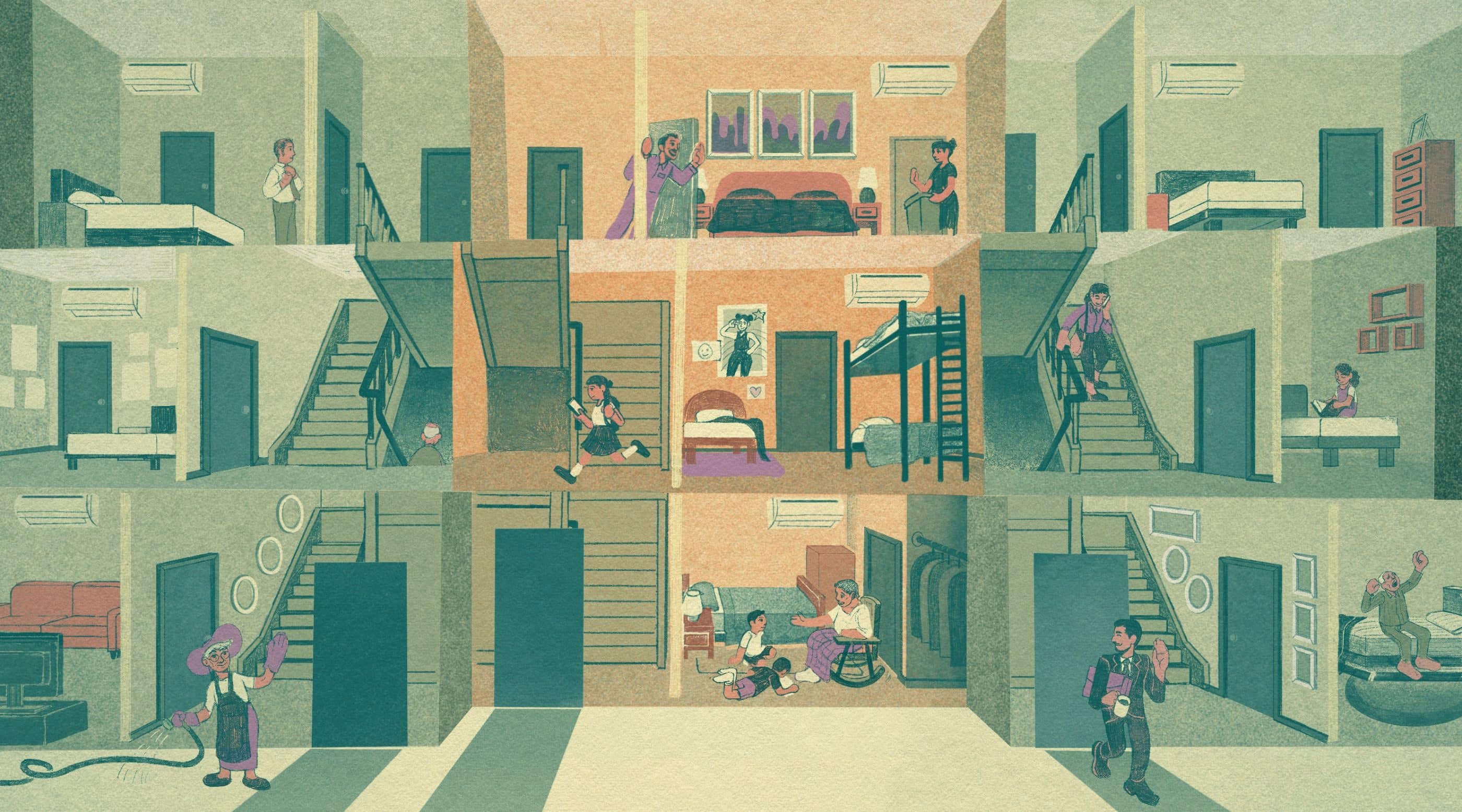
Our new Under the Lens series, Housing in an Aging Society, launches this week and it explores those conditions, how to achieve them, and what it means when our housing system isn’t built for a population that’s growing older. We take a hard look at whether we should reevaluate what it means to “age in place” and whether the policies and programs designed to help older adults stay in their homes actually work. It’s not surprising that gaps in funding, coordination, and access leave many without the help they need to age in place. But there are some important lessons from housing and nonprofit groups that are doing this work better.
We also check in with families to see how they’re adapting to the realities of aging—whether for themselves or a loved one—and highlight different types of creative housing solutions that are helping older people age safely, affordably, and with stronger social connections.
We also challenge some long-held beliefs, such as the idea that homeownership equals stability later in life, and that elders need younger people to rescue them. While the situation at hand requires us all to take a closer look at how we can solve the cascading crisis, older adults aren’t sitting this one out.
“They assume we’re the seniors of old—that we’ll sit back and take it and not be fighters. But we’re baby boomers. We’re not like that,” says one senior we spoke with for a story highlighting elders’ fight for housing justice.
In this series, you’ll hear from older adults of all backgrounds, ages, and situations about how the housing crisis is affecting their lives.
My heartfelt thanks to everyone who spoke with us for this series, and to the more than 100 people who reached out to share ideas for coverage and to describe what they’re seeing in their communities.
If there’s something you think we should cover on this topic in the future, please let me know by emailing [email protected].
About the Author

Comments