Organizing

Obama’s Budget is Good for Public Land

Over the next few weeks we'll be hearing from a range of stakeholders about how they feel President Obama's proposed $3.8 trillion budget will effect the nation. One group that has […]

Over the next few weeks we'll be hearing from a range of stakeholders about how they feel President Obama's proposed $3.8 trillion budget will effect the nation.

One group that has already chimed in is the Trust for Public Land (TPL), which was quick to praise the proposed spending plan, issuing a press release on April 10 urging Congress to approve the budget, which includes a $600 million investment to the Land and Water Conversation Fund (LWCF), the main federal program for protecting land and ensuring outdoor recreation around the nation.

The Trust knows how difficult “Hanging on to the Land“ can be, to use the turn of phrase that titles Jeffrey Yuen and Greg Rosenberg's article on community gardens and their struggles for permanency in the latest issue of Shelterforce.

“Since 1965, LWCF has been helping to protect a variety of our favorite places across the nation, and none of the money comes from federal taxes,” TPL President Will Rogers said in the release. “By helping protect our national parks, seashores, trails and forests, as well as ensuring protection of working forests and ranches, the LWCF program also supports jobs in local communities.”

In 1999, “The Trust for Public Land and the New York Restoration Project stepped in to broker an 11th hour deal to avoid displacement of all 114 gardens” that were set to be auctioned under former Mayor Rudy Giuliani, Yuen and Rosenberg describe in Shelterforce. “However, 67 gardens were eventually destroyed during the Giuliani administration, serving as a bitter reminder that government ownership of land does not necessarily ensure permanent protection.”

The authors end the piece arguging that “now is the time to create a national pool of funds to acquire and permanently protect land for community gardens and other forms of urban agriculture.”

Will Obama's budget accomplish this? Tell us what you think!

(This post is part of a series on the president's 2014 budget.)

(Photo by Jeffrey Yuen)

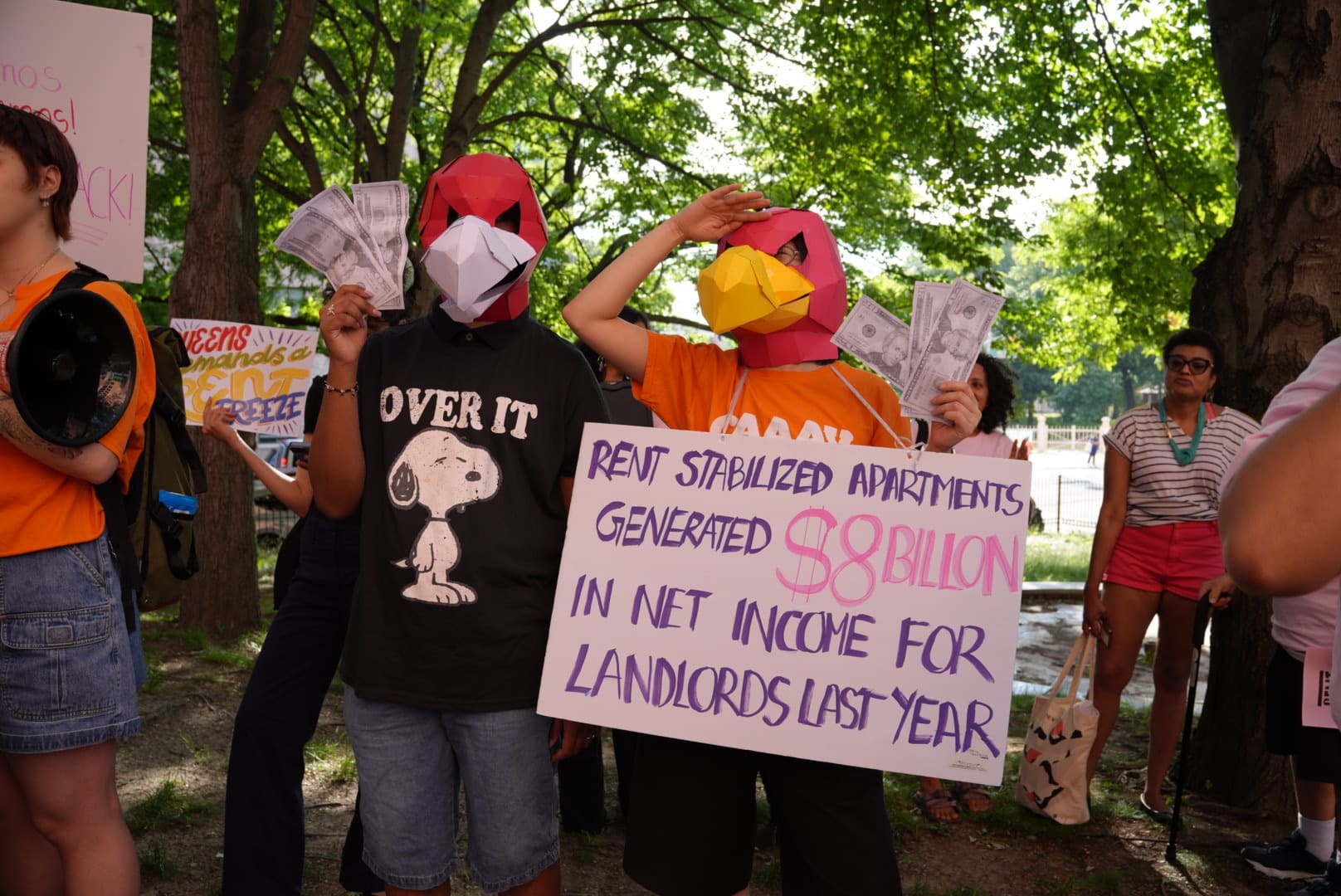
  • Two people with paper bird masks hold dollar bills. One wears a sign that says "Rent stabilized apartments generated  billion in net income for landlords last year."

    Are NYC’s Rent-Stabilized Buildings Really in Crisis?

    June 24, 2026

    A two-year rent freeze, affecting about 1 million rent-stabilized apartments in New York, was just approved. Before the freeze passed, landlords said their buildings wouldn’t survive it. But recent analyses suggest the real culprit behind distressed buildings is predatory equity, not rent stabilization.

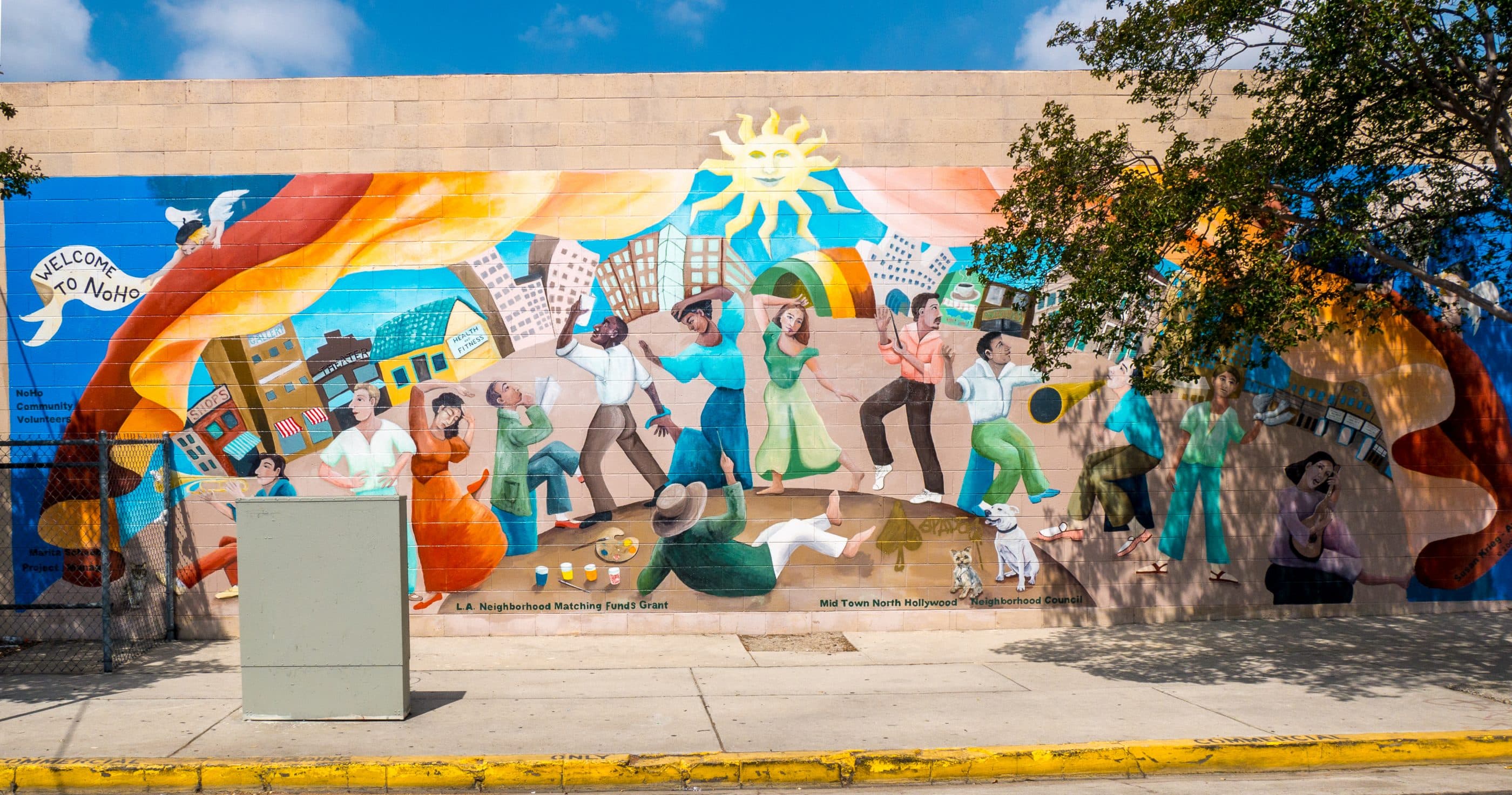
  • A large, colorful mural painted on the exterior of a building. It says "WELCOME TO NOHO" in capital letters and depicts people of different ages, genders, races, and ethnicities dancing and playing music in front of different types of housing and community buildings, including apartment buildings, a health and fitness center, a theater, and a gallery. The building is set back from a public sidewalk, and part of a tree shades the right-hand side of the mural.

    How State Coalitions Are Advancing Community Ownership of Housing

    June 19, 2026

    In recent years, housing coalitions promoting community land trusts and real estate cooperatives have formed in multiple cities and states—and they are achieving results. Nonetheless, a lot of work is needed to achieve the policy changes these groups desire.

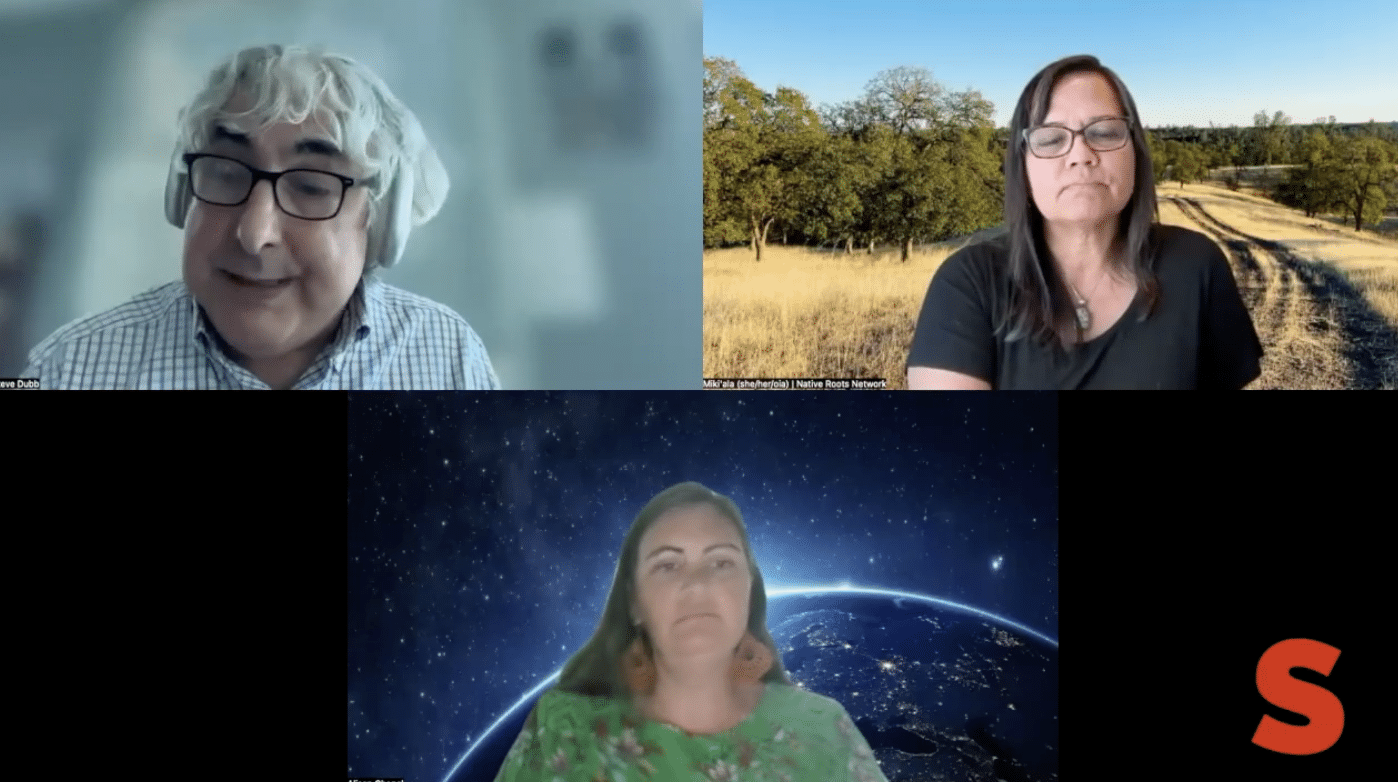
  • A webinar screenshot of three people. In the top-left corner is a white man with gray hair and dark eyebrows; he is wearing headphones, glasses, and a checkered shirt, and his background is blurred. In the top-right corner is a Hawaiian woman with dark hair; she is wearing glasses and a black t-shirt, and she is set against a screensaver of a tree-lined field. On the bottom is a white woman with brown hair; she is wearing a green floral top and large earrings, and she is set against a screensaver background of the earth viewed from space.

    What Does a Solidarity Approach to Housing Look Like? A Shelterforce Webinar

    June 10, 2026

    In this webinar, we examine what a solidarity economy approach is, what its principles are, how these principles are being applied presently, and how they might be applied more broadly to support housing justice and transformative economic change.