



This article is part of the Under the Lens series
Fit to Live In: Fixing Our Housing Stock
Those of us who work to promote healthy housing know that the available funding is woefully inadequate to address the need. However, if we are to eradicate—or even significantly address—hazards like lead paint, having significantly more funding would still not be sufficient. We also need sound management, accountability, coordination among the various programs, and more effective knowledge dissemination to even make a dent in this huge problem.
Over one-third of Massachusetts housing units contain lead-based paint. Exposure to lead can have serious and irreversible health consequences for children, including deficits in brain development. A 2023 report produced by the Green and Healthy Homes Initiative (GHHI) for the Massachusetts Association of Community Development Corporations (MACDC) estimated that it would cost $986 million to comprehensively address lead hazards in Brockton, Holyoke, and Springfield, the three Massachusetts cities the report focused on.
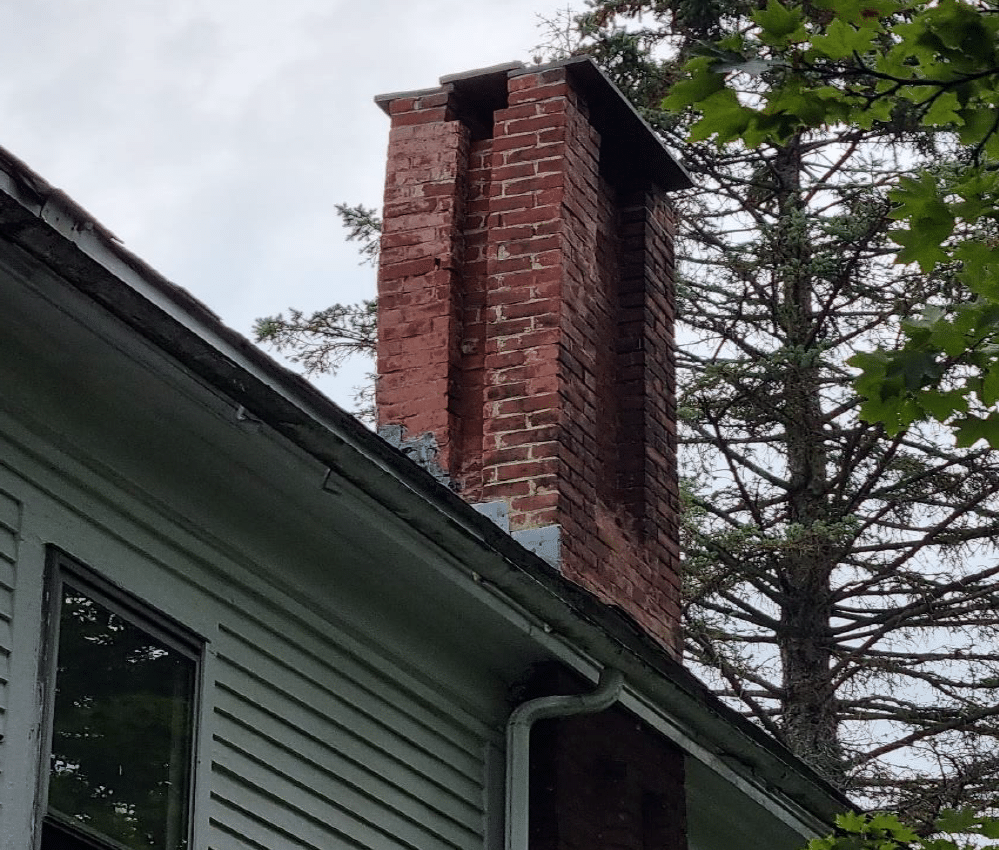
Springfield is the third largest city in Massachusetts, with just over 150,000 people, the majority of whom are people of color. The median income in Springfield is less than 50 percent of the statewide median household income. With over 80 percent of the housing stock dating from before 1980, Springfield disproportionately bears a burden of negative health outcomes associated with poor quality housing. It’s one of Massachusetts’s high-risk communities for lead poisoning and has one of the highest rates of pediatric asthma hospitalization rates in the state, both of which are connected to poor quality housing. In addition, the people who live in these aging buildings are facing increasingly extreme temperatures in their homes.
Attempting to address these issues in a coordinated fashion shows that in addition to money, better policy and program design are needed. A few years ago, Gerry McCafferty, director of housing for Springfield, had an idea: link the healthy homes services that her office provides with weatherization services conducted by an external partner. Coordination between healthy homes services and weatherization services would provide residents who are having lead or mold remediated, or getting their carpets replaced, for example, to also get weatherization services like insulation. These weatherization services would save residents money on heating and cooling and allow for a comfortable living temperature—another important contributor to a healthy home.
Unfortunately, McCafferty’s seemingly straightforward idea didn’t happen to the extent she had hoped because of the respective programs’ different time frames and scheduling requirements, as well as the limited capacity of the company providing the weatherization services to meet the need. The weatherization would not be completed until long after the lead remediation work, and the city did not have adequate staff to provide ongoing coordination once the lead work was completed. McCafferty’s team ended up simply informing residents receiving healthy homes services about the weatherization program, and left it up to them to reach out for this additional service. While some of them were able to take advantage of the weatherization services, many more could have been assisted if there had been increased capacity and coordination.
In a federal landscape where ever-decreasing resources are available for infrastructure and public health investments, we must make creative and efficient use of the resources we do have.
To address the capacity side of the equation, Springfield provided contractor training as part of their Healthy Homes and lead paint programs, working with their community college to get people into the field. They also provide free training for contractors to get OSHA and lead certifications. “We did this in part to make sure that we had an increased pool of contractors to draw from,” says McCafferty, “but also to help the money from the federal grants flow to local contractors.”
Unfortunately, McCafferty’s coordination challenges, while specific, are not unique. Massachusetts residents and service providers report that it can be difficult to access services because they are uncoordinated, hard to understand, or inaccessible to the people who most need them.
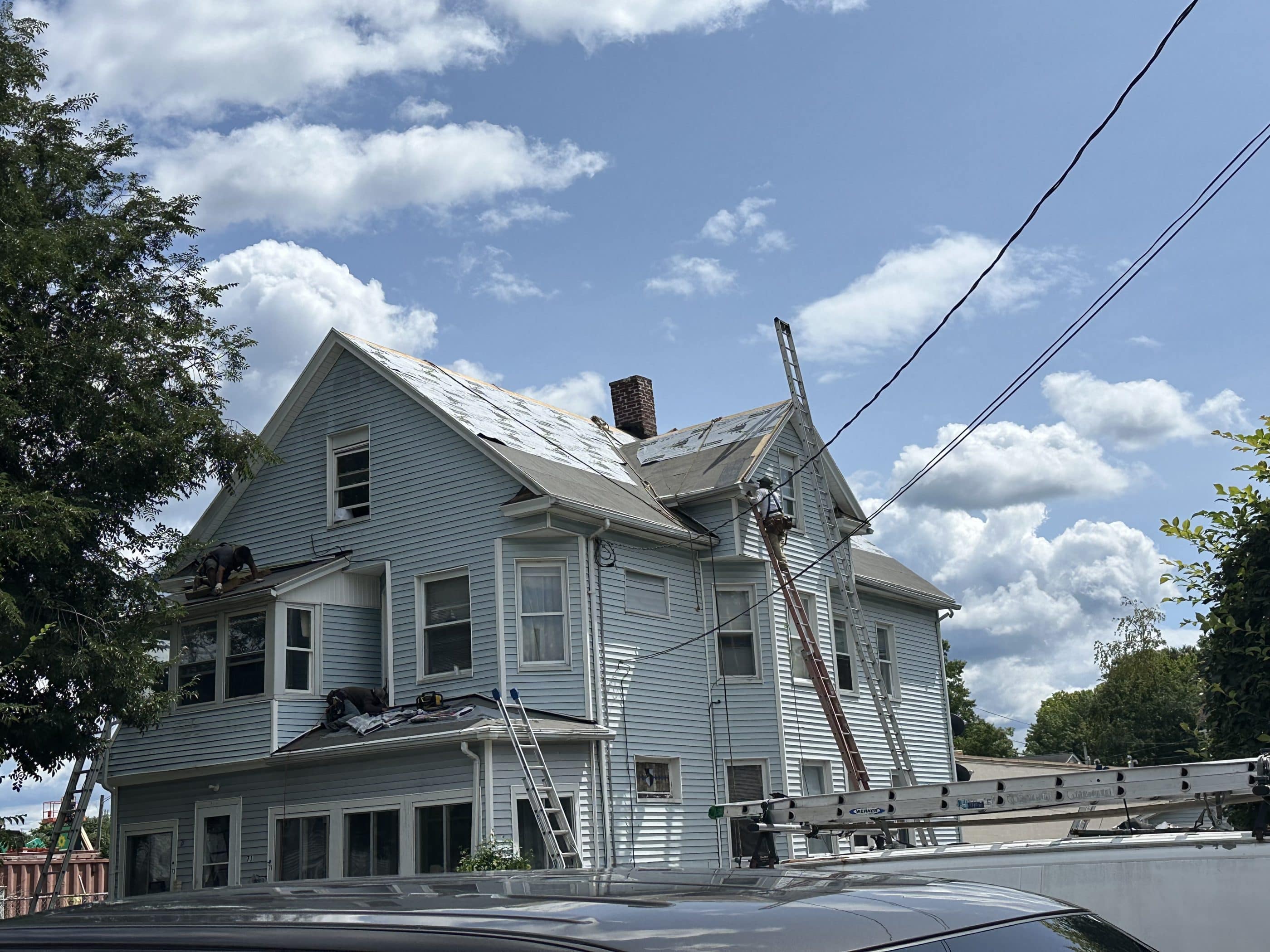
Statewide demand for lead paint remediation services illustrates this. The state runs a loan program to assist homeowners with the costs involved in remediating their properties from lead. The resources available are orders of magnitude too low to address the widespread presence of lead in Massachusetts homes, but still the demand for these scarce resources lags behind availability.

The GHHI report posits a few theories for this. The authors note that residents might not be aware of the dangers of lead paint or of their rights and responsibilities under the Massachusetts Lead Law. Homeowners also may be deterred because they do not want to take on the additional debt. Under the Massachusetts program the lead remediation loan does not have to be repaid until a home is sold or refinanced, but this is not the relief it might seem to be in communities where housing prices have had periods of depreciation. This includes many of the state’s post-industrial cities, such as Springfield. Lastly, the report authors cite the intensive application process as a barrier to homeowners hoping to access the available funds.
Gerry McCafferty has also experienced challenges specific to the administration of lead paint abatement grants. She describes how Springfield had a HUD lead paint abatement grant that required that the majority of the funds benefit households with a pregnant person or child under 6. The city had trouble recruiting applicants for the program. While it would have been efficient and impactful to use the funds to de-lead homes that were already receiving Healthy Homes Program services, regardless of whether a child or pregnant person resided there, they were not allowed to use more than 10 percent of the grant funds for homes where the residents didn’t fit those requirements.
This is short-sighted. Homes that do not currently have someone matching these demographics living in them could easily in the future, whether because a household adds a child, or a new family moves in. In addition, children routinely spend time in homes that they don’t reside in, whether that of a grandparent, caregiver, or friend. Therefore, remediating lead paint in more homes would have a considerable impact on children’s health more broadly. In a state where housing quality issues are so prevalent, the ability to coordinate multiple funding streams to address all the health issues in a house at once would reduce the need for multiple applications and construction periods for residents, improving their quality of life and increasing the likelihood of addressing any of the needs.
In a federal landscape where ever-decreasing resources are available for infrastructure and public health investments, we must make creative and efficient use of the resources we do have. MACDC’s Housing Quality and Health Equity Initiative (“The Equity Initiative”) attempts to identify local barriers to using those resources and bring together local leaders to problem-solve. It is a six-year project funded by the Massachusetts Community Health and Healthy Aging Fund.
During the past two years of the Equity Initiative we’ve focused our community engagement in Brockton, Holyoke, and Springfield. We are now approaching the halfway point and are expanding to include Lynn, New Bedford, and Worcester.
One significant way to impact housing quality concerns is not to come up with a shiny new program but rather to revive existing programs and to increase accessibility and awareness of those programs. For example, one need that surfaced in these local conversations was for homeowner-occupants to better understand existing lead paint resources. In response to this need, the Equity Initiative team organized a webinar for property owners on how to identify and address lead paint in their homes and in rental units they own. While this effort won’t immediately solve the challenges inherent in lack of coordination, we hope it will begin to address “low hanging fruit” to make the healthy homes resources more easily available and accessible to the people who need them.
Meanwhile, in a recent conversation among community leaders in Worcester, we learned that before the COVID pandemic there was an active referral network between the local health system and the city to address housing quality issues that affect resident health, but that the referral network is not currently active. Getting it started again would be a great way to target interventions where they are most needed and increase the use of these resources.
While funding these important programs remains a significant challenge, there are opportunities to better coordinate programs’ eligibility requirements and time frames to increase their efficiency and effectiveness. One way to do this is to connect practitioners across municipalities. After concluding our in-depth focus on Brockton, Springfield, and Holyoke, MACDC now creates space for leaders in these cities to connect and learn from one another’s work through our biannual multi-city gathering and our quarterly Better Health Through Better Housing newsletter. We anticipate that through these relationships, leaders will be able to learn from one another’s challenges and best practices to better coordinate programs in their own areas.
The importance of coordination is not limited to our work within Massachusetts. We all have a lot to learn from efforts around the country. Does your state or region have best practices for aligning programs to efficiently address housing quality and community health? If so, we’d love to hear from you. Please be in touch with MACDC’s Director of Health Equity, Elana Brochin, at [email protected] if you’d like to connect!
About the Author




What service are out there for single person 61 years old who basement is fall apart and has a lot of mold and have allergies